Aulia Indri, Irmawati Fanny Prima, Amani Chairunisa Aliya, Iranti Alya
From the External Genitalia Section, Division of Plastic Reconstructive and Aesthetic Surgery, Department of Surgery, Dr. Cipto Mangunkusumo Hospital, Universitas Indonesia, Jakarta, Indonesia.
Plast Reconstr Surg Glob Open. 2025 Aug 12;13(8):e7051. doi: 10.1097/GOX.0000000000007051. eCollection 2025 Aug.
Labiaplasty has rapidly gained popularity among women in recent years. However, limited studies are available discussing the motivations influencing their decisions to undergo the procedure and its implications for psychological and sexual satisfaction. This systematic review was conducted to identify the primary motivations for labiaplasty and its effects on patients' psychological aspects and intimate relationships.
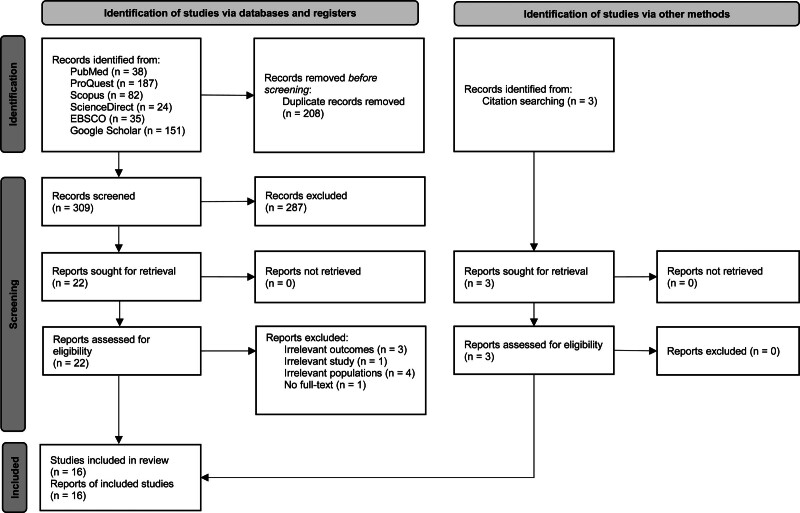
This systematic review was conducted by searching 6 online databases with related keywords. Cohort, cross-sectional studies, clinical trials, and case series that reported patients who underwent labiaplasty in adulthood were included. We excluded studies that had subjects with other operations on the genital area.
Sixteen eligible studies involving a total of 1143 participants were analyzed. Among women seeking labiaplasty, functional complaints (52.2%) were the primary motivators, followed by concerns about appearance (46.3%), psychological motivations (26.9%), and sexual reasons (20.5%). Improved self-esteem and confidence were the primary psychological outcomes observed, with 1 study also showing a significant reduction in anxiety ( < 0.05). Most patients reported improvements in sexual function, including relationship satisfaction and intercourse comfort, although these changes were nonsignificant. Psychosexual outcomes showed increased sexual confidence and reduced anxiety, but most findings were nonsignificant.
Functional complaints were found to be the primary motivations for women seeking labiaplasty, followed by appearance, psychological, and sexual complaints. The psychological, sexual, and psychosexual outcomes after labiaplasty showed some improvements. However, concluding the overall results was challenging due to the divergent assessment tools. Standardized assessment tools that are acceptable worldwide to assess such outcomes are needed for further study.
近年来,阴唇整形术在女性中迅速流行起来。然而,关于影响她们决定接受该手术的动机及其对心理和性满意度影响的研究有限。本系统评价旨在确定阴唇整形术的主要动机及其对患者心理方面和亲密关系的影响。
通过使用相关关键词搜索6个在线数据库进行本系统评价。纳入报告成年后接受阴唇整形术患者的队列研究、横断面研究、临床试验和病例系列。我们排除了对生殖器区域进行其他手术的受试者的研究。
分析了16项符合条件的研究,共涉及1143名参与者。在寻求阴唇整形术的女性中,功能主诉(52.2%)是主要动机,其次是对外表的担忧(46.3%)、心理动机(26.9%)和性方面的原因(20.5%)。观察到的主要心理结果是自尊和自信得到改善,有1项研究还显示焦虑显著降低(<0.05)。大多数患者报告性功能有所改善,包括关系满意度和性交舒适度,尽管这些变化不显著。性心理结果显示性自信增加和焦虑减少,但大多数结果不显著。
发现功能主诉是女性寻求阴唇整形术的主要动机,其次是外表、心理和性方面的主诉。阴唇整形术后的心理、性和性心理结果显示出一些改善。然而,由于评估工具不同,总结总体结果具有挑战性。需要全球范围内可接受的标准化评估工具来进一步研究此类结果。