Guo Lifeng, Du Xiaodong, Chang Jianing, Gong Jingjin, Chu Zheng, Lv Jiajia, Jiang Lixia
Heilongjiang Province Institute of Meteorological Science, Harbin, China.
Wuying National Climatological Observatory, Harbin, China.
PLoS One. 2025 Aug 13;20(8):e0329441. doi: 10.1371/journal.pone.0329441. eCollection 2025.
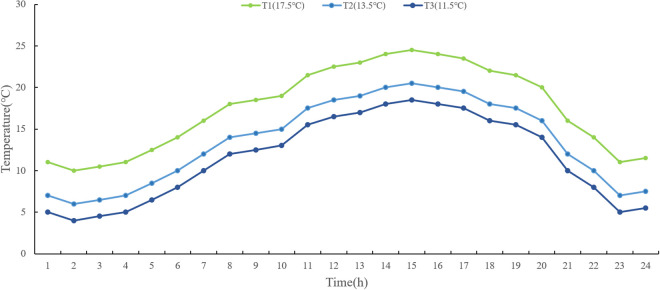
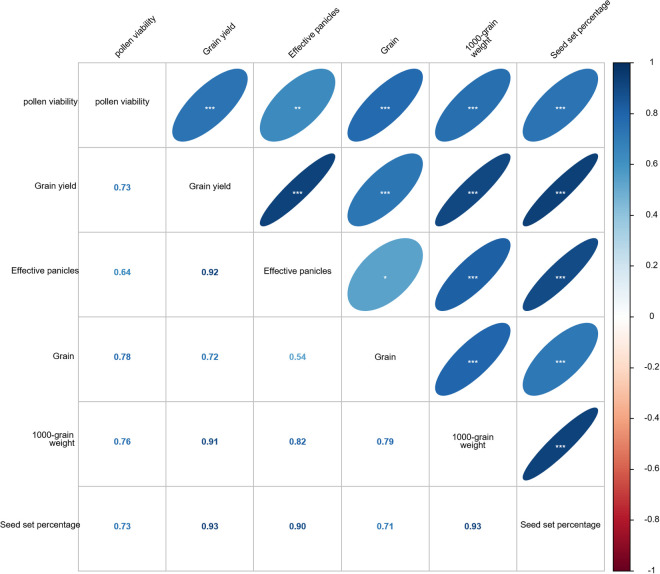
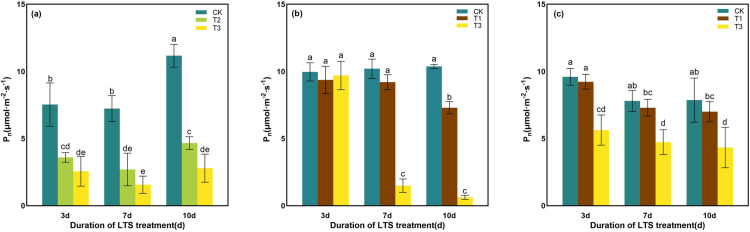
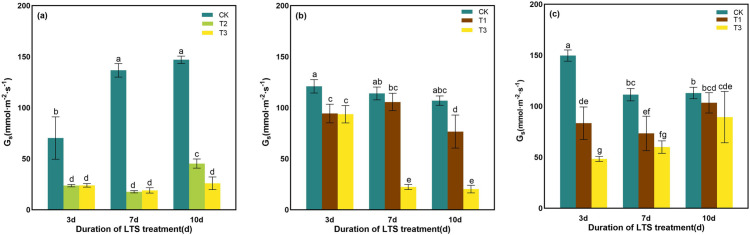
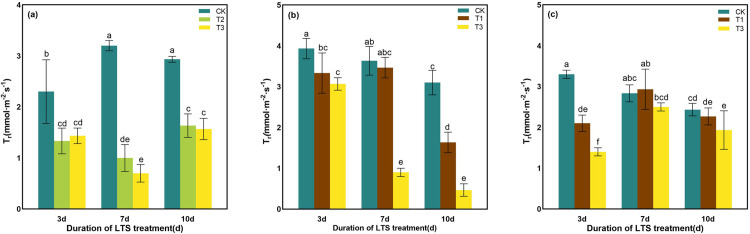
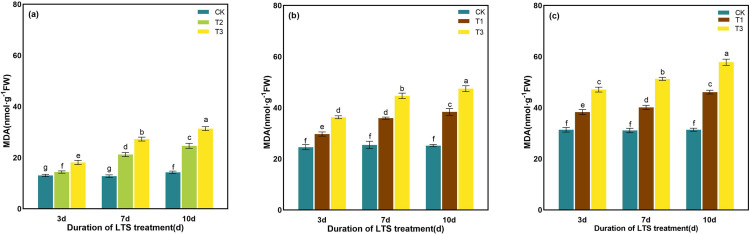
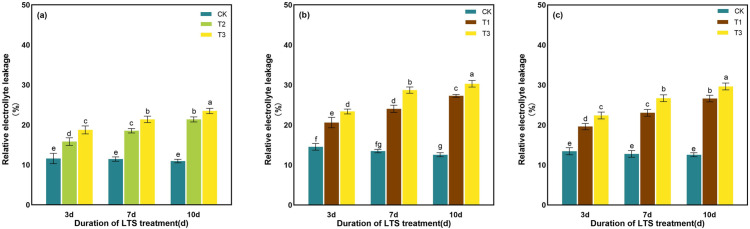
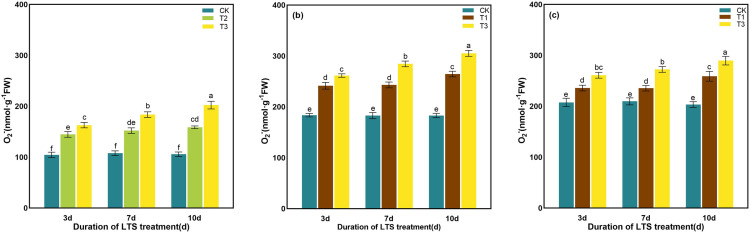
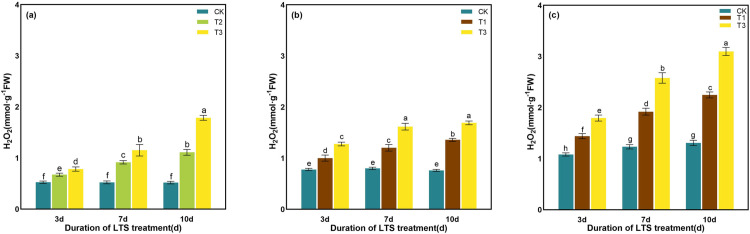
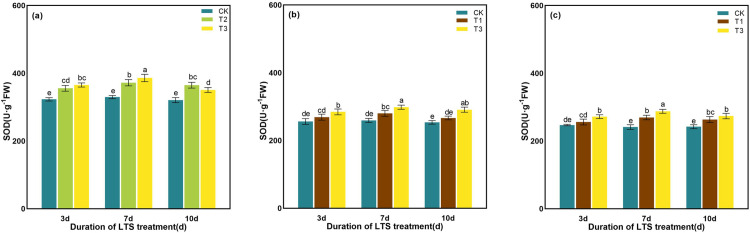
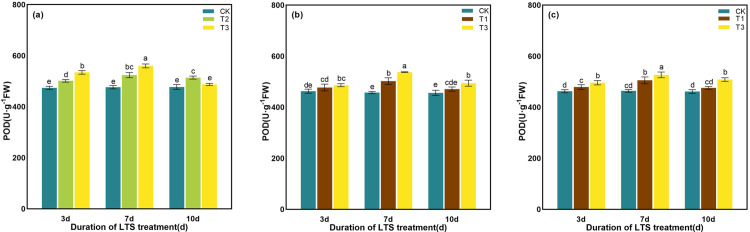
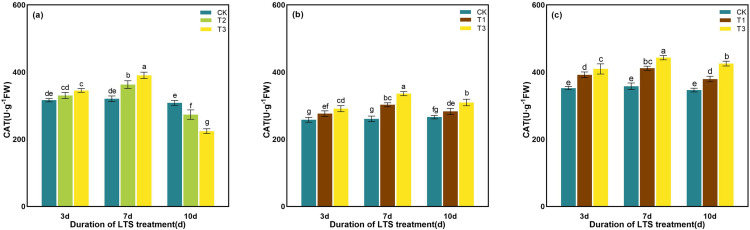
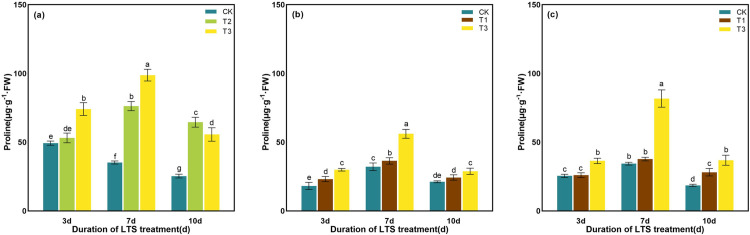
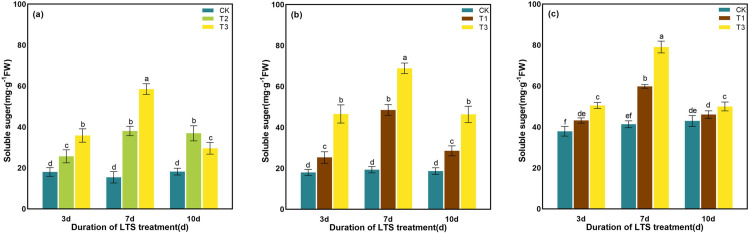
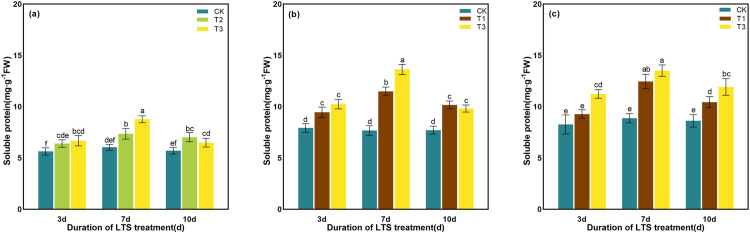
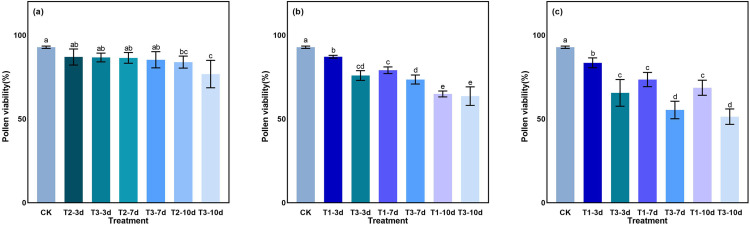
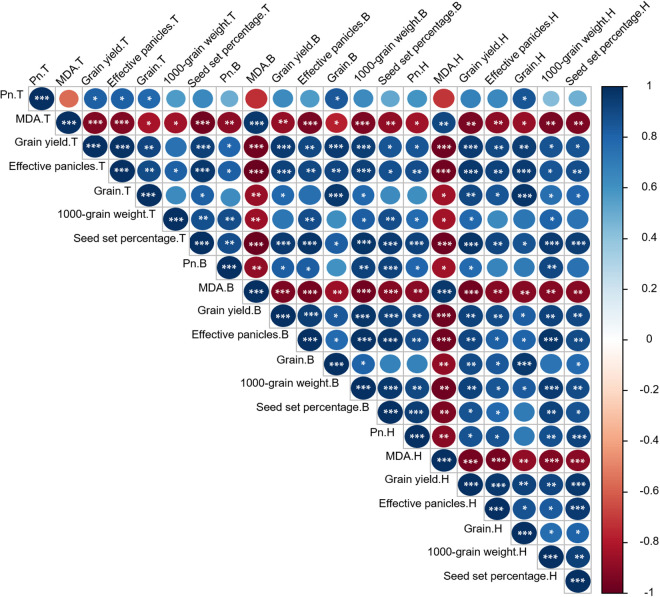
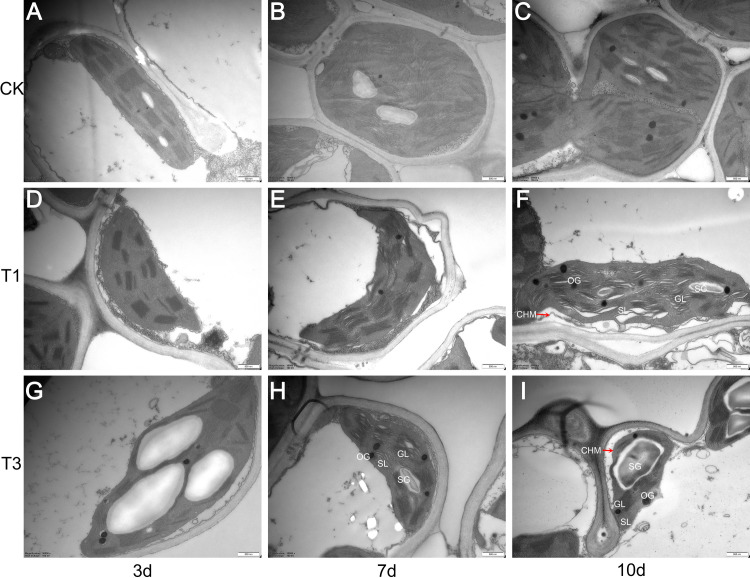
Low-temperature stress (LTS) is a major limiting factor for rice production in high-latitude regions. Many studies have reported the impacts of LTS on leaf photosynthesis and yield, but few of them explored the response of photosynthesis, chloroplast ultrastructure, pollen fertility, cold stress adaptation to LTS at different growth stages of rice. In this study, we conducted a two-year temperature-controlled field experiment (in 2023 and 2024) to investigate the effects of LTS at the tillering, booting, and heading stages on physiological and biochemical characteristics, plant growth, pollen fertility, and grain yield for a japonica rice cultivar (Longgeng31). The results showed that rice photosynthesis gradually decreased as the LTS temperature was decreasing and the LTS duration was increasing. The net photosynthetic rate (Pn) decreased the most at the booting stage, followed by the tillering, and the heading stages. Compared with controlled group (CK), the LTS treatment at 11.5°C for 3-10 days significantly reduced Pn by 52.2% ~ 62.7%, 85.3% ~ 93.9% and 39.3% ~ 44.9%, at the tillering stage, booting and heading stages respectively. Increasing LTS intensity and duration caused distorted chloroplast morphology and reduced plant height. The concentrations of the antioxidant and osmotic regulation systems in rice peaked after 7 days of LTS treatment, indicating that the stress response to LTS showed a trend of initially increasing and subsequently decreasing. The grain yield decreased the most under LTS at the booting stage by 59.30%-88.76% on D10, followed by the heading and tillering stages. After 10 days of exposure to LTS, the pollen viability decreased most significantly at the heading stage by 44.67%, followed by the booting and the tillering stages. These findings could provide a theoretical basis for identifying and evaluating LTS in rice under field conditions, and provide a methodological reference for the identification and monitoring of LTS in other crops, thereby holding significant practical implications.
低温胁迫(LTS)是高纬度地区水稻生产的主要限制因素。许多研究报道了低温胁迫对叶片光合作用和产量的影响,但很少有研究探讨水稻不同生长阶段光合作用、叶绿体超微结构、花粉育性、冷胁迫适应性对低温胁迫的响应。在本研究中,我们进行了为期两年的温控田间试验(2023年和2024年),以研究粳稻品种(龙粳31)在分蘖期、孕穗期和抽穗期的低温胁迫对其生理生化特性、植株生长、花粉育性和籽粒产量的影响。结果表明,随着低温胁迫温度的降低和持续时间的增加,水稻光合作用逐渐下降。净光合速率(Pn)在孕穗期下降幅度最大,其次是分蘖期和抽穗期。与对照组(CK)相比,11.5°C处理3 - 10天的低温胁迫在分蘖期、孕穗期和抽穗期分别使Pn显著降低52.2% - 62.7%、85.3% - 93.9%和39.3% - 44.9%。低温胁迫强度和持续时间的增加导致叶绿体形态畸变,株高降低。水稻抗氧化和渗透调节系统的浓度在低温胁迫处理7天后达到峰值,表明对低温胁迫的应激反应呈现先升高后降低的趋势。在孕穗期低温胁迫下,籽粒产量下降幅度最大,在第10天下降了59.30% - 88.76%,其次是抽穗期和分蘖期。暴露于低温胁迫10天后,花粉活力在抽穗期下降最为显著,为44.67%,其次是孕穗期和分蘖期。这些研究结果可为田间条件下水稻低温胁迫的鉴定和评估提供理论依据,为其他作物低温胁迫的鉴定和监测提供方法参考,具有重要的实际意义。