Claro Francisco, Morari Joseane, de Angelis Camila, Vanzela Emerielle Cristine, Schiozer Wandir Antonio, Velloso Lício, Sarian Luis Otavio Zanatta
Department of Gynecology and Obstetrics, School of Medical Sciences, State University of Campinas (UNICAMP), Campinas 13083-887, Brazil.
Laboratory of Cell Signaling, Obesity, Comorbidities Research Center, State University of Campinas (UNICAMP), Campinas 13083-887, Brazil.
Int J Mol Sci. 2025 Jul 28;26(15):7296. doi: 10.3390/ijms26157296.
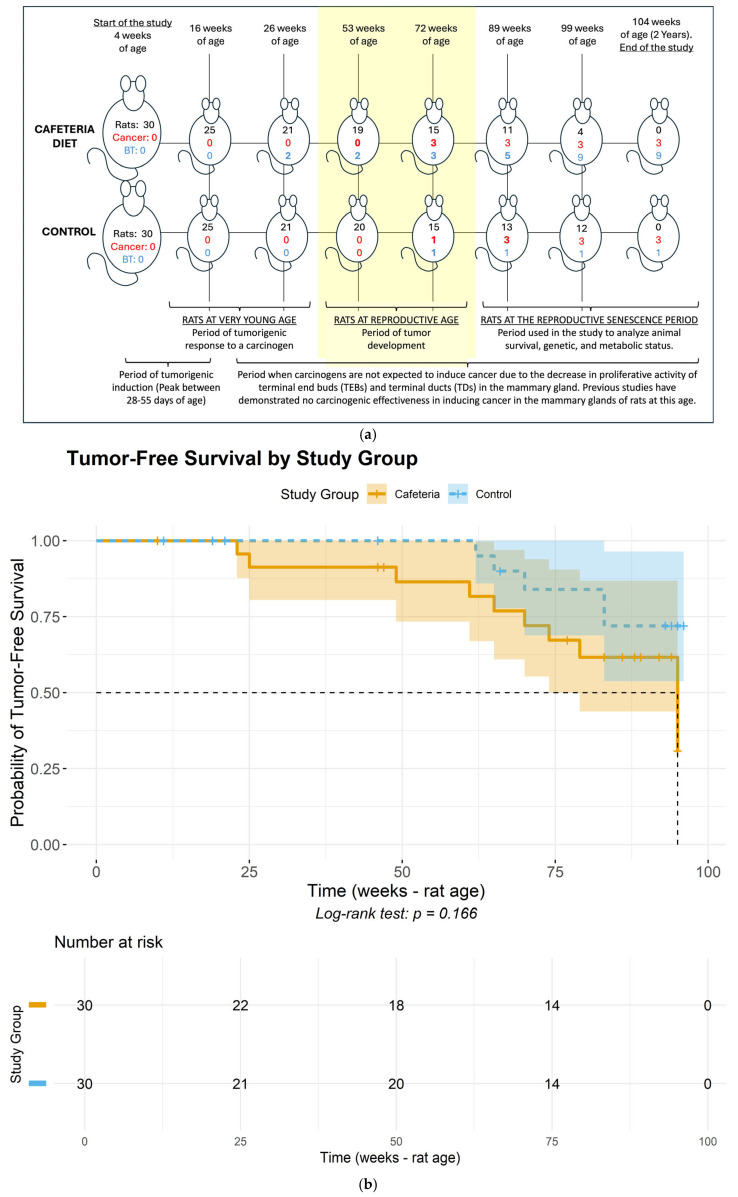
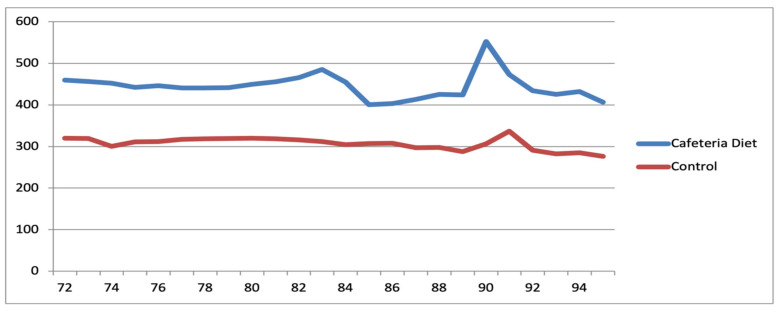
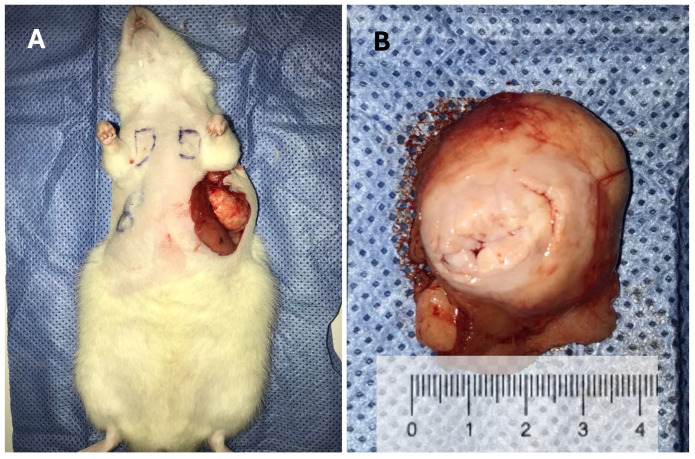
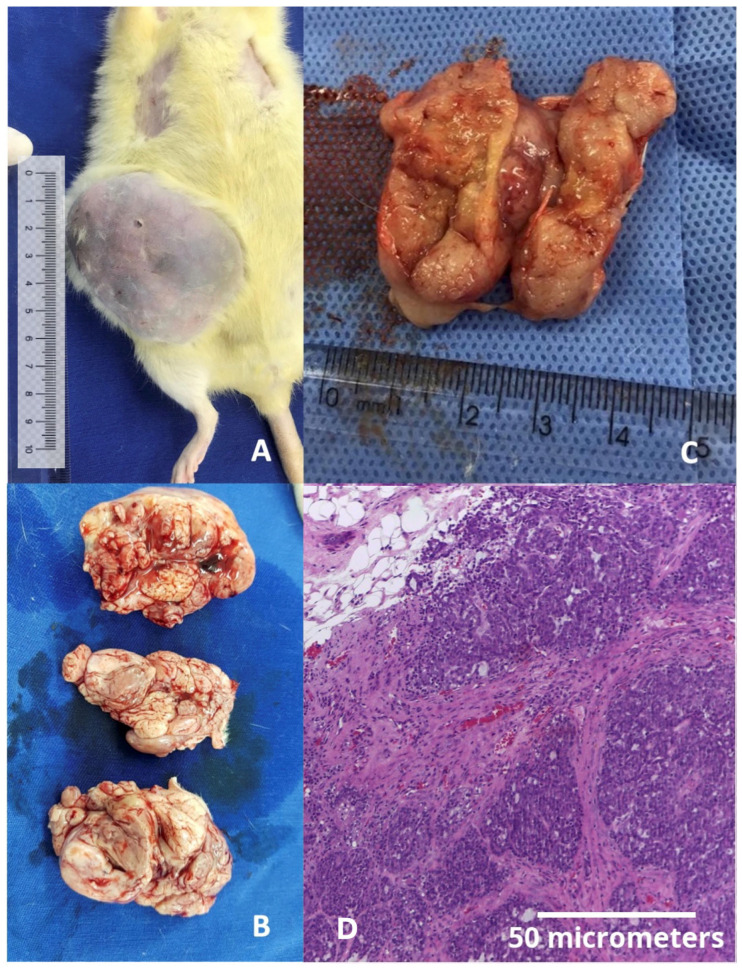
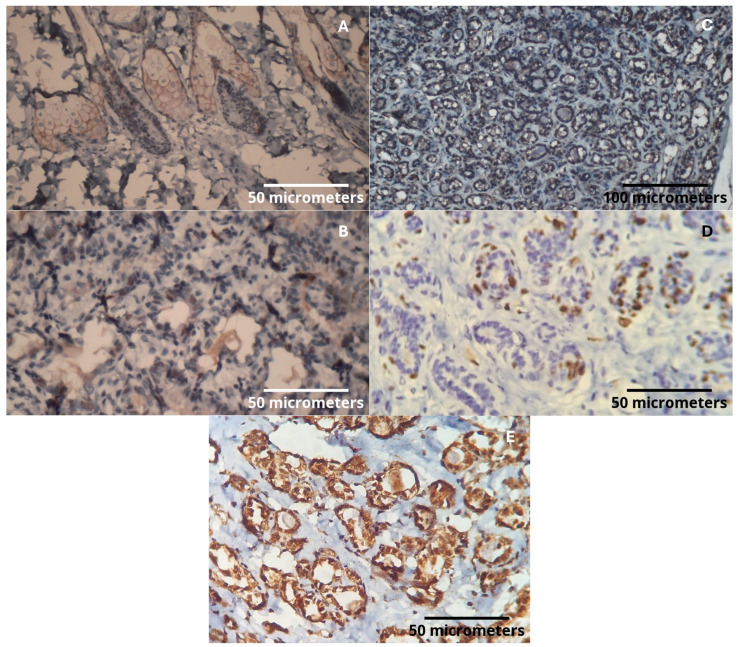
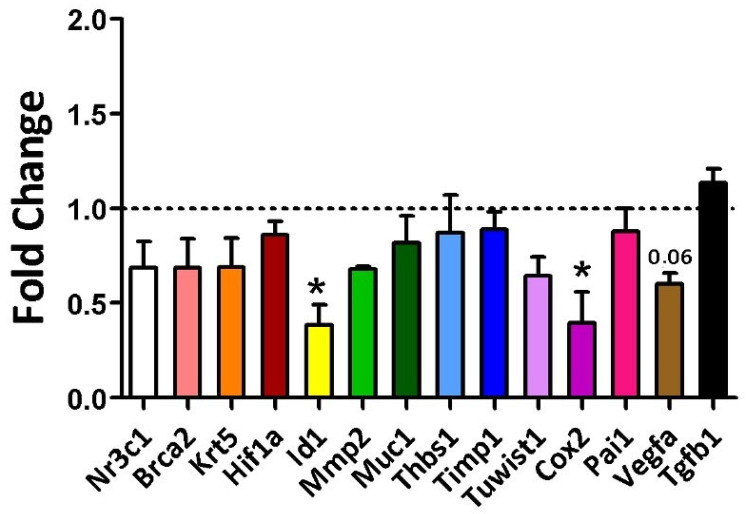
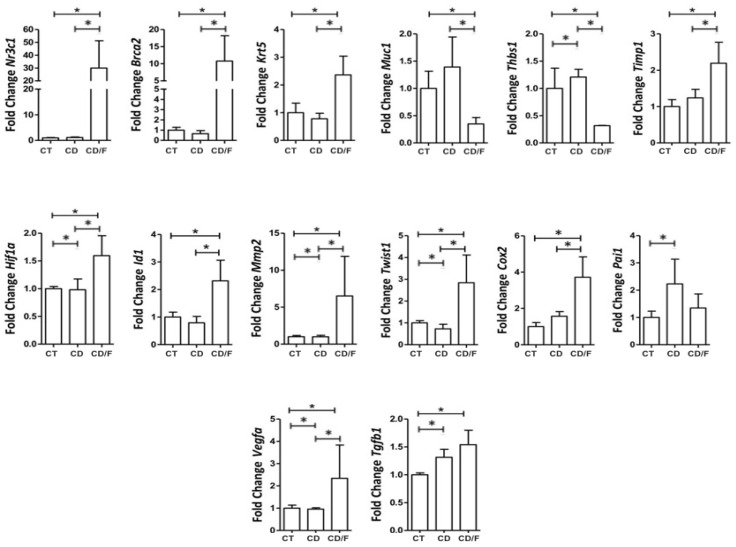
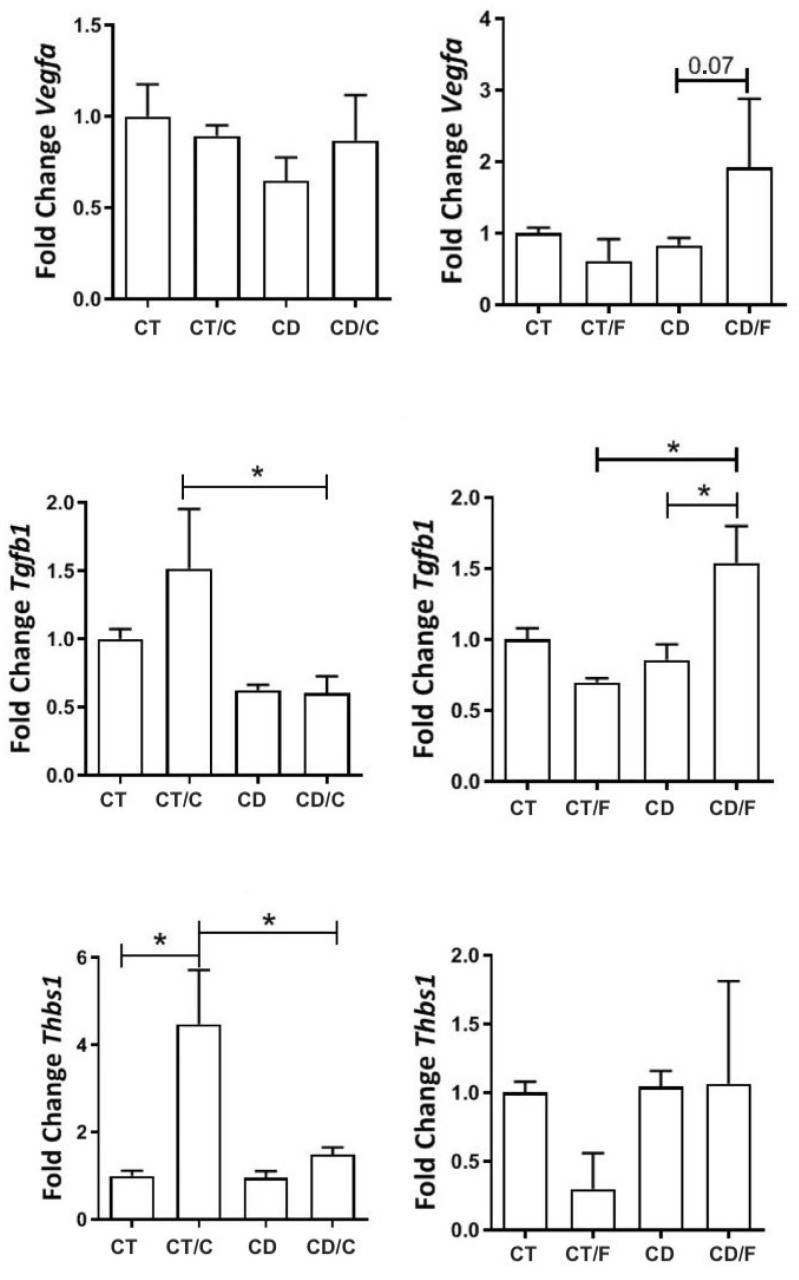
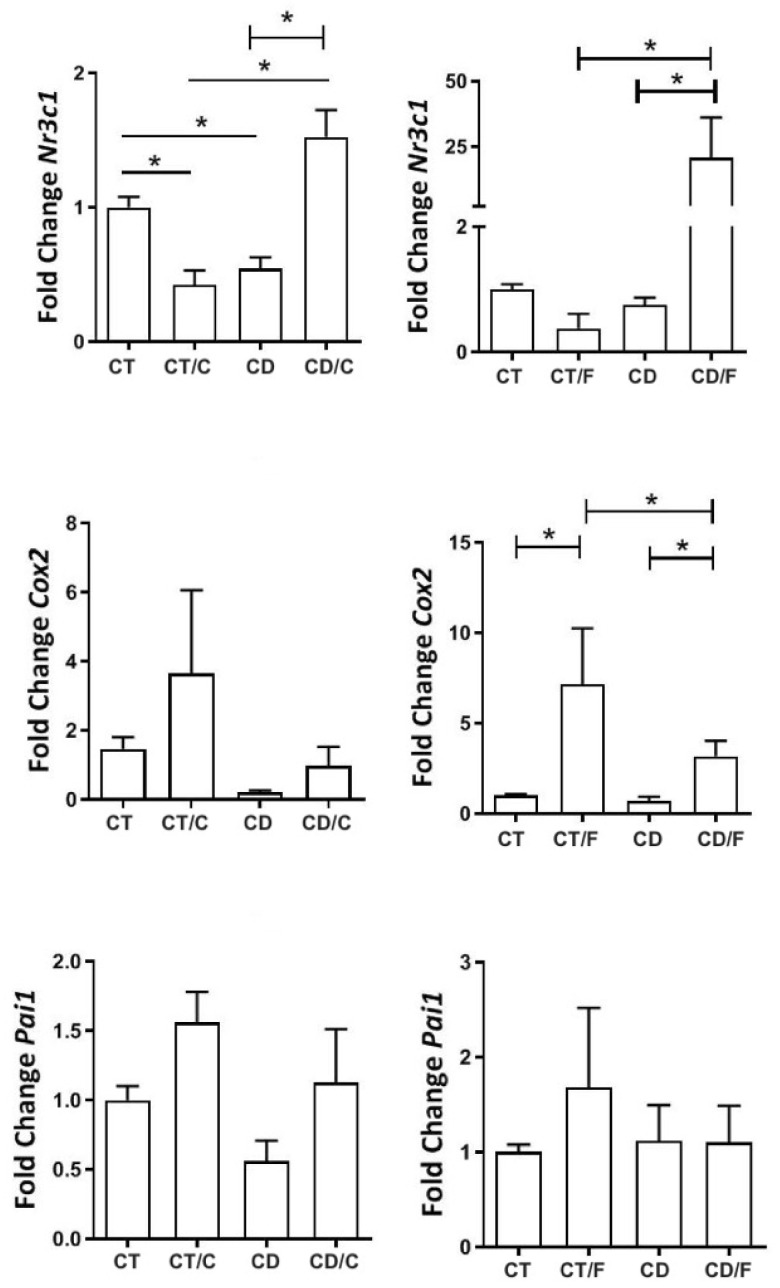
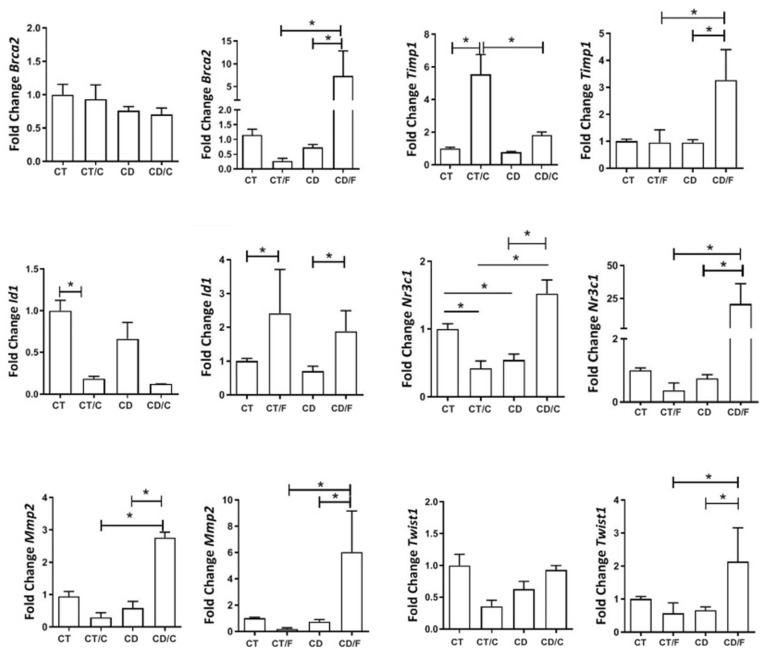
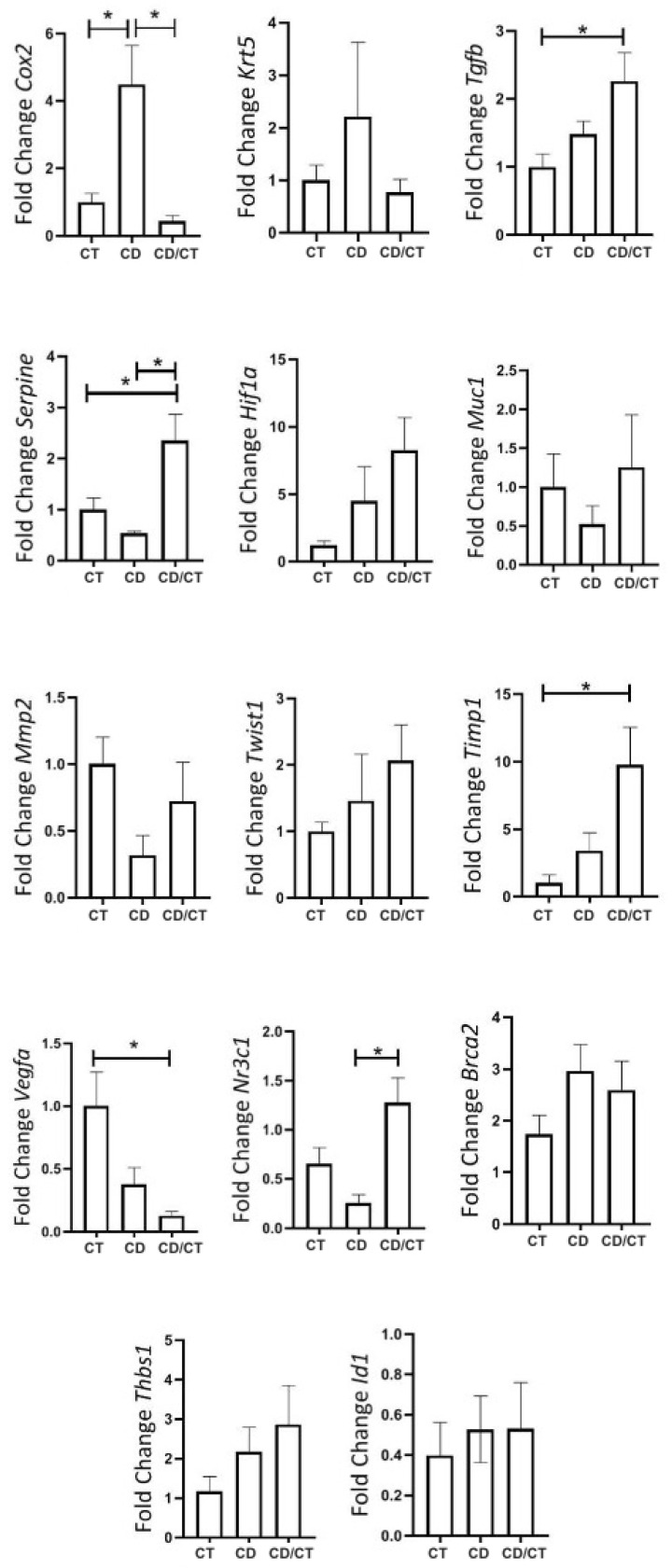
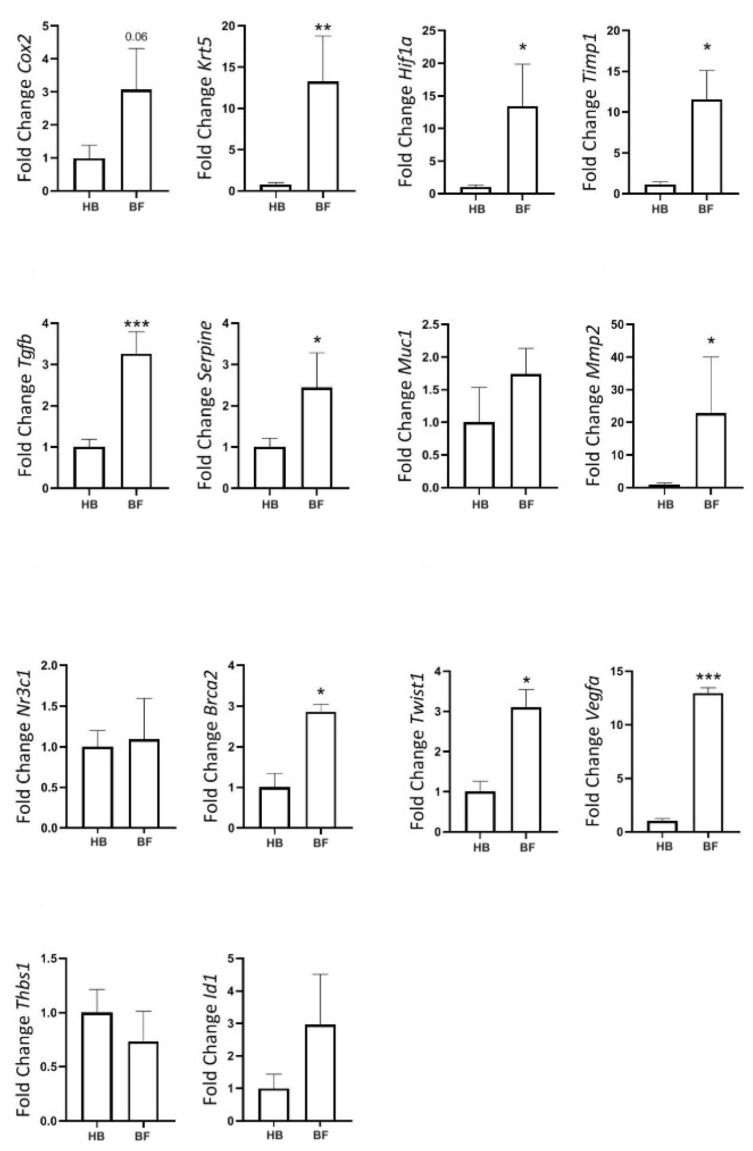
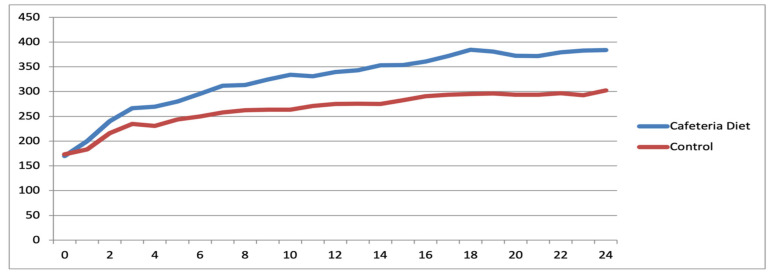
Obesity and metabolic dysfunction are established risk factors for luminal breast cancer, yet current preclinical models inadequately recapitulate the complex metabolic and immune interactions driving tumorigenesis. To develop and characterize an immunocompetent rat model of luminal breast cancer induced by chronic exposure to a cafeteria diet mimicking Western obesogenic nutrition, female rats were fed a cafeteria diet or standard chow from weaning. Metabolic parameters, plasma biomarkers (including leptin, insulin, IGF-1, adiponectin, and estrone), mammary gland histology, tumor incidence, and gene expression profiles were longitudinally evaluated. Gene expression was assessed by PCR arrays and qPCR. A subgroup underwent dietary reversal to assess the reversibility of molecular alterations. Cafeteria diet induced significant obesity (mean weight 426.76 g vs. 263.09 g controls, < 0.001) and increased leptin levels without altering insulin, IGF-1, or inflammatory markers. Histological analysis showed increased ductal ectasia and benign lesions, with earlier fibroadenoma and luminal carcinoma development in diet-fed rats. Tumors exhibited luminal phenotype, low Ki67, and elevated PAI-1 expression. Gene expression alterations were time point specific and revealed early downregulation of ID1 and COX2, followed by upregulation of MMP2, THBS1, TWIST1, and PAI-1. Short-term dietary reversal normalized several gene expression changes. Overall tumor incidence was modest (~12%), reflecting early tumor-promoting microenvironmental changes rather than aggressive carcinogenesis. This immunocompetent cafeteria diet rat model recapitulates key metabolic, histological, and molecular features of obesity-associated luminal breast cancer and offers a valuable platform for studying early tumorigenic mechanisms and prevention strategies without carcinogen-induced confounders.
肥胖和代谢功能障碍是管腔型乳腺癌已确定的风险因素,但目前的临床前模型无法充分重现驱动肿瘤发生的复杂代谢和免疫相互作用。为了建立并表征一种由长期暴露于模仿西方致肥胖营养的自助餐厅饮食诱导的管腔型乳腺癌免疫活性大鼠模型,从断奶开始给雌性大鼠喂食自助餐厅饮食或标准食物。纵向评估代谢参数、血浆生物标志物(包括瘦素、胰岛素、胰岛素样生长因子-1、脂联素和雌酮)、乳腺组织学、肿瘤发生率和基因表达谱。通过PCR阵列和定量PCR评估基因表达。一个亚组进行饮食逆转以评估分子改变的可逆性。自助餐厅饮食导致显著肥胖(平均体重426.76克对对照组263.09克,<0.001),瘦素水平升高,而胰岛素、胰岛素样生长因子-1或炎症标志物未改变。组织学分析显示导管扩张和良性病变增加,饮食喂养的大鼠中纤维腺瘤和管腔癌发展更早。肿瘤表现出管腔表型、低Ki67和PAI-1表达升高。基因表达改变具有时间点特异性,显示ID1和COX2早期下调,随后MMP2、THBS1、TWIST1和PAI-1上调。短期饮食逆转使几种基因表达变化恢复正常。总体肿瘤发生率适中(约12%),反映了早期肿瘤促进性微环境变化而非侵袭性致癌作用。这种免疫活性自助餐厅饮食大鼠模型重现了肥胖相关管腔型乳腺癌的关键代谢、组织学和分子特征,并为研究早期致癌机制和预防策略提供了一个有价值的平台,而无致癌物诱导的混杂因素。