Theriau Christopher F, Connor Michael K
School of Kinesiology and Health Science, York University, Toronto, ON, Canada.
Muscle Health Research Centre, York University, Toronto, ON, Canada.
Physiol Rep. 2017 Jul;5(13). doi: 10.14814/phy2.13325.
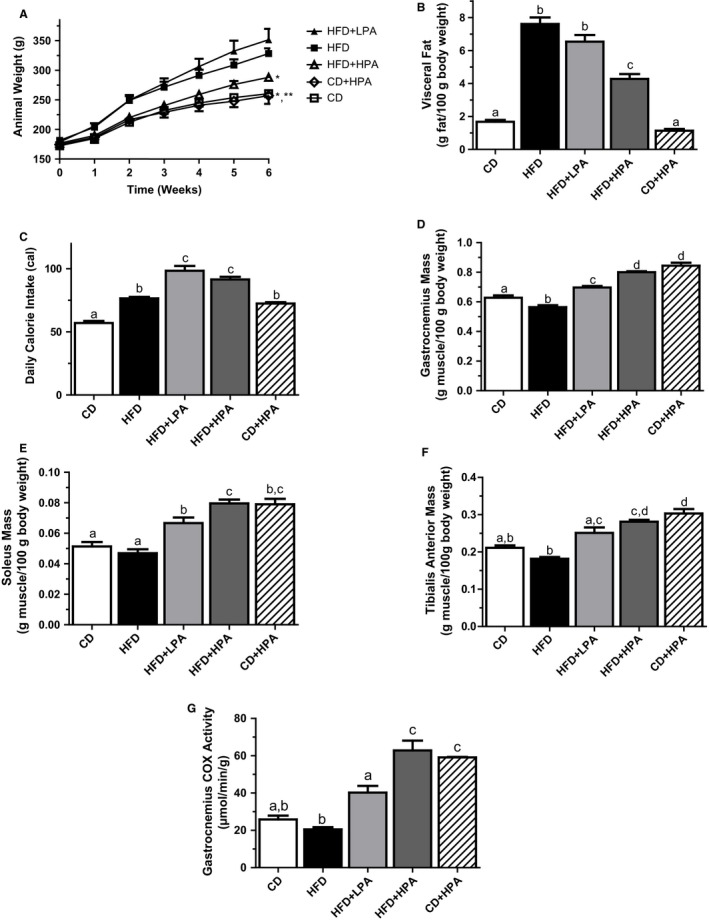
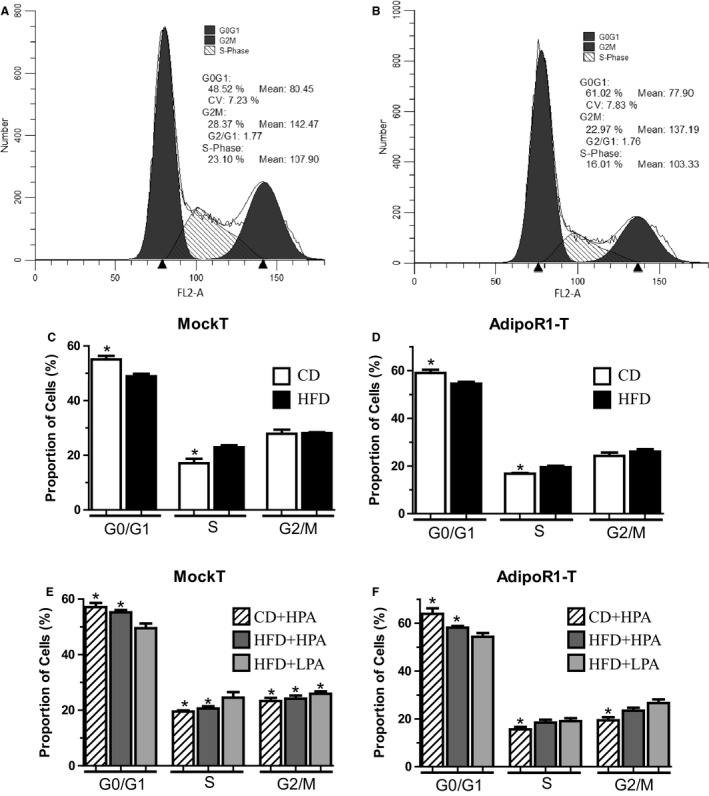
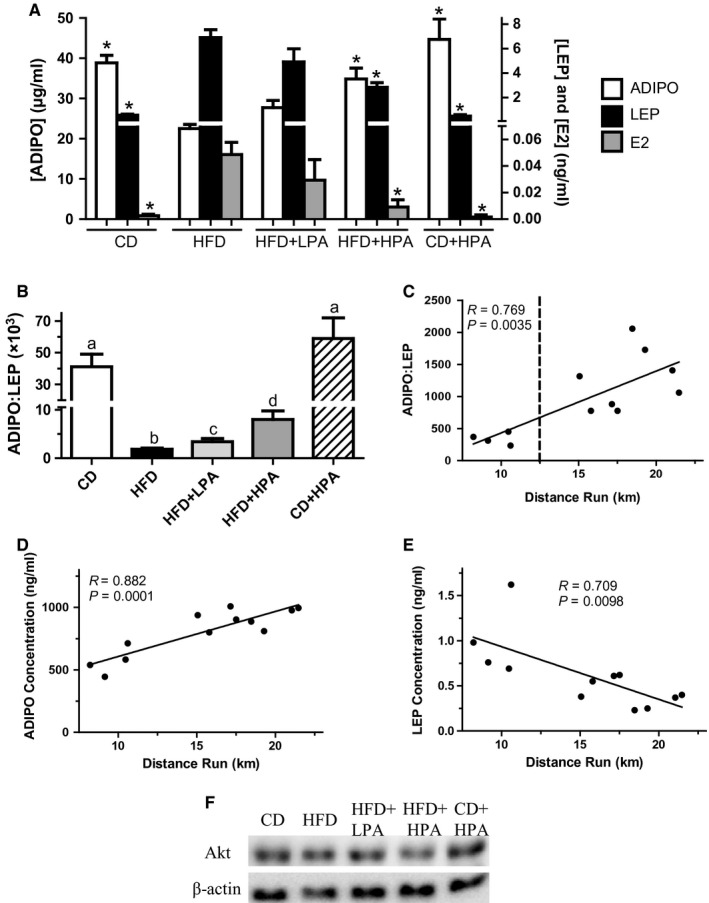
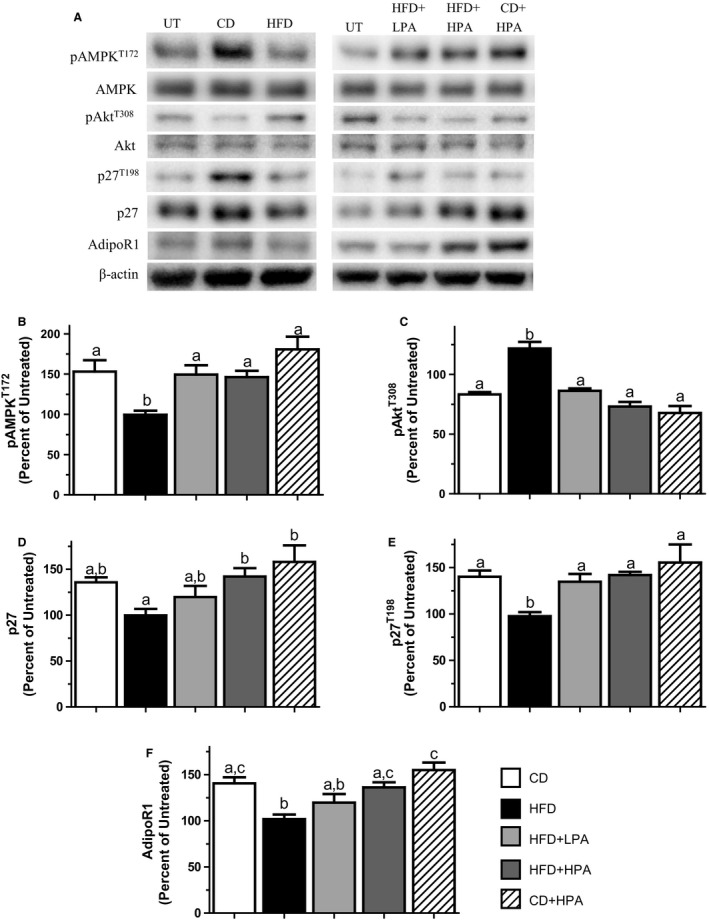
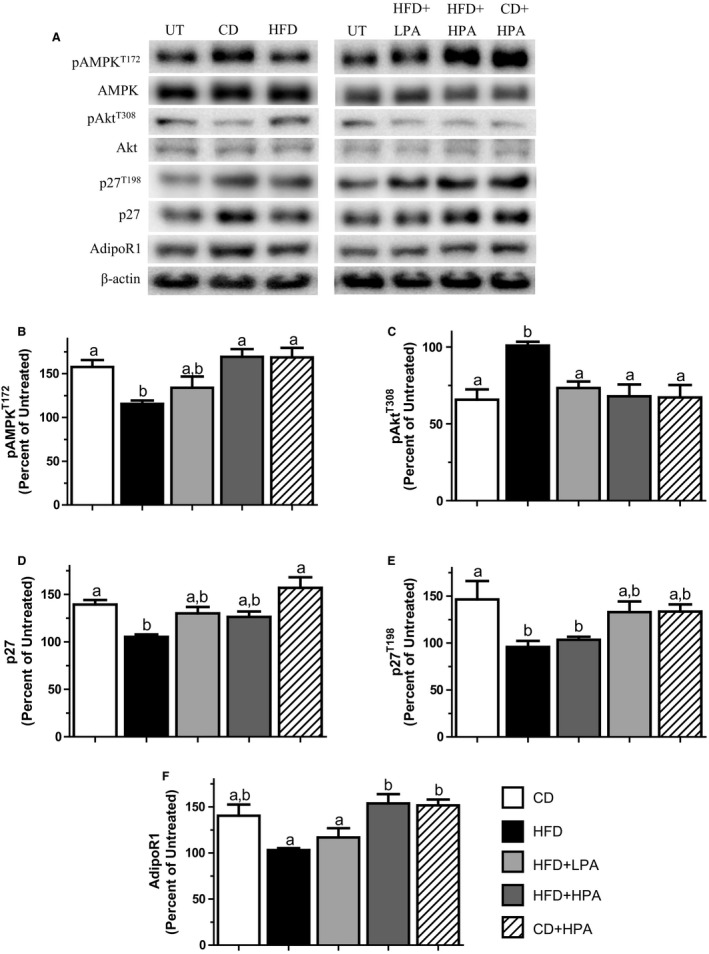
The adipokine secretion profile created from adipose tissue may represent the molecular mechanism behind the obesity-breast cancer association. Two adipokines, adiponectin (ADIPO), and leptin (LEP), are altered with obesity and exert antagonistic effects on breast cancer proliferation. We set out to determine whether the adipose-dependent tumor promoting growth environment created by a high-fat diet (HFD) in female Sprague-Dawley rats is altered compared to established responses in male rats and whether voluntary physical activity (PA) ameliorates any HFD-dependent effects. We found that conditioned media (CM) created from the adipose tissue of female HFD-fed rats increased the proliferation of MCF7 cells compared to those cells grown in CM prepared from lean adipose tissue. HFD-CM inhibited AMPK and activated Akt signaling, decreased p27 phosphorylation at T198, reduced total p27 and AdiporR1 protein levels and promoted cell-cycle entry. PA reversed the proliferative effects of HFD-CM on MCF7 cells by preventing the effects of HFD on AMPK, Akt, p27 and AdipoR1, ultimately resulting in cell-cycle withdrawal. Overexpressing AdipoR1 abolished the proliferative effects of the HFD-CM on MCF7 cells and enhanced the anti-proliferative effects PA on the HFD-CM Thus, PA represents a means to prevent deleterious obesity-related alterations in tumor growth environment which are brought about by changes in adipokine secretion profile from adipose tissue in the presence of estrogen. Furthermore, although adipose produces hundreds of adipokines, the ADIPO:LEP ratio may serve to indicate the contribution of adipose in creating a tumor growth microenvironment.
由脂肪组织产生的脂肪因子分泌谱可能代表了肥胖与乳腺癌关联背后的分子机制。两种脂肪因子,脂联素(ADIPO)和瘦素(LEP),会随着肥胖而发生变化,并对乳腺癌增殖产生拮抗作用。我们着手确定与雄性大鼠已确立的反应相比,雌性斯普拉格-道利大鼠的高脂饮食(HFD)所产生的依赖脂肪的促肿瘤生长环境是否发生改变,以及自愿体育活动(PA)是否能改善任何与HFD相关的影响。我们发现,与在由瘦脂肪组织制备的条件培养基(CM)中生长的细胞相比,由雌性HFD喂养大鼠的脂肪组织产生的CM增加了MCF7细胞的增殖。HFD-CM抑制AMPK并激活Akt信号传导,降低T198位点的p27磷酸化水平,降低总p27和AdiporR1蛋白水平,并促进细胞周期进入。PA通过阻止HFD对AMPK、Akt、p27和AdipoR1的影响,逆转了HFD-CM对MCF7细胞的增殖作用,最终导致细胞周期停滞。过表达AdipoR1消除了HFD-CM对MCF7细胞的增殖作用,并增强了PA对HFD-CM的抗增殖作用。因此,PA是一种预防在雌激素存在下由脂肪组织中脂肪因子分泌谱变化所导致的与肥胖相关的有害肿瘤生长环境改变的手段。此外,尽管脂肪会产生数百种脂肪因子,但ADIPO:LEP比值可能有助于表明脂肪在创建肿瘤生长微环境中的作用。