Moldovan Flaviu, Moldovan Liviu
Orthopedics-Traumatology Department, Faculty of Medicine, George Emil Palade University of Medicine, Pharmacy, Science, and Technology of Targu Mures, 540142 Targu Mures, Romania.
Faculty of Engineering and Information Technology, George Emil Palade University of Medicine, Pharmacy, Science, and Technology of Targu Mures, 540142 Targu Mures, Romania.
Med Sci (Basel). 2025 Jul 22;13(3):93. doi: 10.3390/medsci13030093.
BACKGROUND/OBJECTIVES: Due to the aging population, orthopedics has become the surgical field with the fastest and greatest growth, and health systems must therefore ensure the sustainable development of this field. The objective of this study is to identify the key areas and the most relevant activities for sustainability assurance in orthopedic surgery, as well as appropriate evaluation tools.
Consisted in designing the key areas for sustainable surgery and evaluating them with the support of new indicators. These areas are based on the most current and relevant practices reported by hospitals around the world. This process was followed by practical validation in an orthopedic hospital.
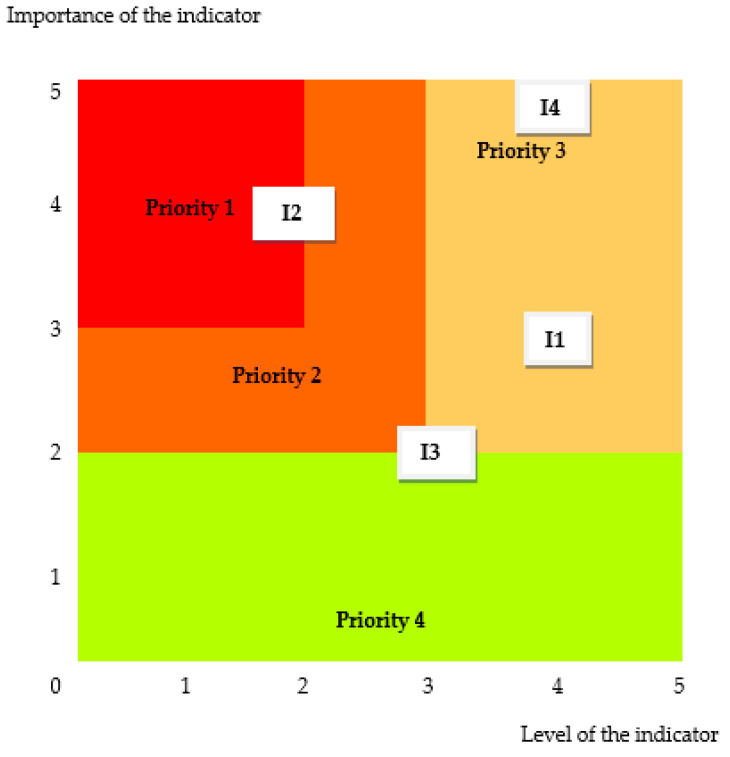
Four key areas were revealed: rationalization and reduction of consumption, correct separation and recycling of waste, reuse of textiles and equipment, and anesthetics and alternative interventions. The indicators for the evaluation of these areas were developed with the support of results reported in international studies. Each indicator has five levels of fulfilment. Their importance is evaluated on a scale from 1 to 5.
The practical implementation at an orthopedic emergency hospital highlighted the suitability of the indicators within the purpose of the research. Sustaining the values of these changes by surgeons and patients facilitates long-term results and the orientation towards assuring the sustainability of orthopedic surgery.
背景/目的:由于人口老龄化,骨科已成为增长最快且增幅最大的外科领域,因此卫生系统必须确保该领域的可持续发展。本研究的目的是确定骨科手术中可持续性保障的关键领域和最相关活动,以及合适的评估工具。
包括设计可持续手术的关键领域,并在新指标的支持下对其进行评估。这些领域基于世界各地医院报告的最新且相关的实践。在此过程之后,在一家骨科医院进行了实际验证。
揭示了四个关键领域:合理化和减少消耗、正确分类和回收废物、纺织品和设备的再利用,以及麻醉剂和替代干预措施。在国际研究报告的结果支持下制定了这些领域的评估指标。每个指标有五个达成水平。其重要性按1至5的等级进行评估。
在一家骨科急诊医院的实际实施突出了这些指标在研究目的方面的适用性。外科医生和患者维持这些变化的价值有助于取得长期成果,并朝着确保骨科手术可持续性的方向发展。