Yang Ruoning, Yan Chi, Zhou Yifeng, Li Wenyuan, Wang Gongxin, Li Huan, Lin Fei, Hao Guoliang
Department of Cardiology, The First Affiliated Hospital, XinXiang Medical University, Xinxiang, Henan, China.
Henan Engineering Research Center for Clinical Treatment of Coronary Heart Disease, The First Affiliated Hospital of Xinxiang Medical University, Xinxiang, China.
Front Cardiovasc Med. 2025 Aug 12;12:1628940. doi: 10.3389/fcvm.2025.1628940. eCollection 2025.
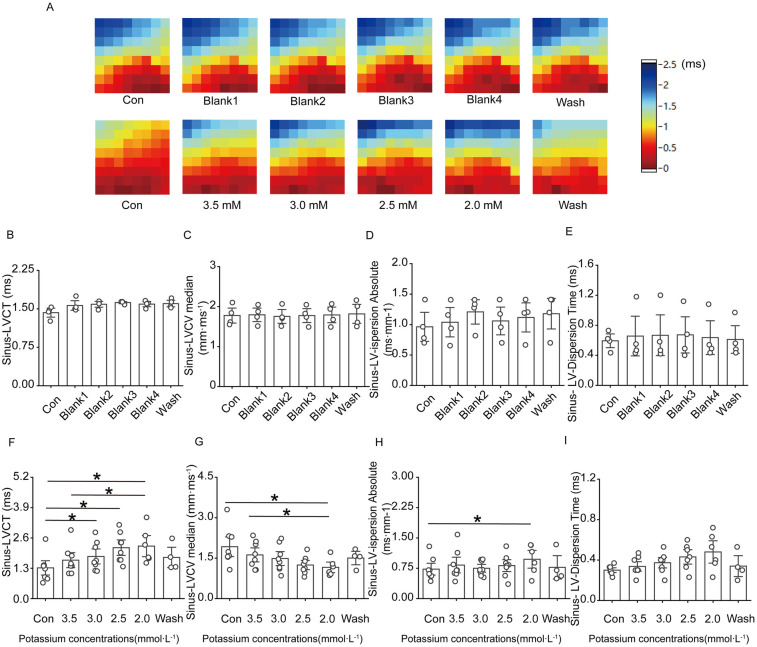
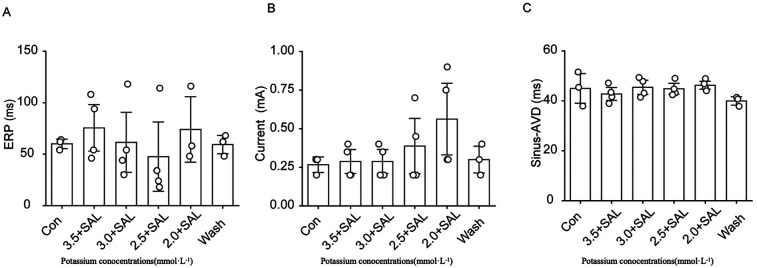
Malignant arrhythmias related to hypokalemia are a key risk factor for cardiac arrest, but the specific mechanism remains unclear. In this study, using electrophysiological mapping and transcriptomics techniques, the effects of hypokalemia and paclitaxel (SAL) on isolated rat hearts were investigated. Hypokalemia (3.5-2.0 mmol/L) dose-dependently triggered abnormal arrhythmias and increased the incidence of arrhythmias, while SAL (5 ug/ml) improved this situation. Transcriptomics revealed that hypokalemia upregulated Mt-nd6 and disrupted the inflammatory/immune pathways, while SAL reversed these changes and activated PPAR-related genes. SAL improves the electrophysiological abnormalities caused by hypokalemia by regulating inflammation, immunity and energy metabolism, and has the potential to treat related arrhythmias.
低钾血症相关的恶性心律失常是心脏骤停的关键危险因素,但其具体机制仍不清楚。在本研究中,利用电生理标测和转录组学技术,研究了低钾血症和紫杉醇(SAL)对离体大鼠心脏的影响。低钾血症(3.5 - 2.0 mmol/L)剂量依赖性地引发异常心律失常并增加心律失常的发生率,而SAL(5 ug/ml)改善了这种情况。转录组学显示,低钾血症上调了Mt-nd6并破坏了炎症/免疫途径,而SAL逆转了这些变化并激活了PPAR相关基因。SAL通过调节炎症、免疫和能量代谢改善低钾血症引起的电生理异常,具有治疗相关心律失常的潜力。