Liu Huifen, Xu Bing
Operation Management Department, Hangzhou Wuyunshan Hospital (Hangzhou Institute of Health Promotion), Hangzhou, Zhejiang, People's Republic of China.
Department of Rehabilitation Medicine, Second Campus of Xing 'an League People's Hospital, Wulanhot, Hohhot, Inner Mongolia, People's Republic of China.
Clin Interv Aging. 2025 Sep 2;20:1481-1493. doi: 10.2147/CIA.S536976. eCollection 2025.
To assess the clinical application and therapeutic efficacy of the Traditional Chinese Medical (TCM) management model among elderly individuals in a sub-health state, and to evaluate its impact on patients' quality of life (QoL).
A retrospective cohort study was conducted, analyzing clinical data from sub-health elderly patients who received care at a designated medical institution between January 2021 and December 2023. A total of 180 patients meeting the predefined inclusion criteria were recruited and stratified into two arms based on the intervention administered. The control group received routine care without specific management protocols, whereas the experimental group underwent a structured TCM management model intervention (It covers herbal therapy, acupunture, Tui Na, medical diets and teas, etc). Outcome measures, including symptomatic relief, health-related quality of life (assessed using the SF-36 scale), and patient satisfaction, were compared between the two groups to determine the intervention's efficacy.
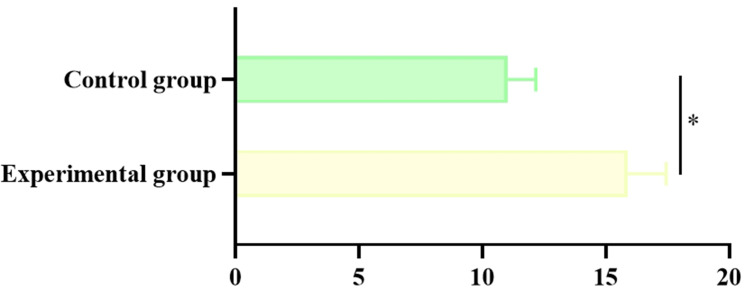
There were no significant differences in the basic information between the two groups, indicating comparability (P>0.05). The overall effective rate of treatment in the experimental group (98.89%) was significantly higher than that in the control group (51.11%). After the intervention, the SCL-90 scores of the experimental group patients (1.32±0.25, 1.65±0.45, 1.71±0.56, 1.42±0.25, 1.45±0.31, 1.23±0.34, 1.33±0.28, 1.42±0.18, 1.37±0.29) were significantly lower than those of the control group (1.89±0.32, 1.97±0.41, 1.95±0.35, 1.85±0.23, 1.78±0.27, 1.86±0.34, 1.93±0.35, 1.68±0.19, 1.67±0.28), P<0.05. The health status scores of the experimental group patients (69.25±5.96, 25.78±3.22, 1.51±0.52, 1.03±0.36, 0.95±0.12, 3.99±0.68) were significantly higher than those of the control group (65.02±6.11, 18.23±2.14, 1.11±0.23, 0.85±0.21, 0.71±0.22, 3.13±0.25). The GSES score of the experimental group was higher than that of the control group. The UCLA-LS score of the experimental group (25.22±9.14) was significantly lower than that of the control group (39.47±8.37). The SF-36 scores of the experimental group (85.14±5.14, 87.65±5.56, 79.36±4.69, 60.23±8.73, 64.25±5.14, 78.36±4.65, 66.89±5.11, 67.65±7.03) were all higher than those of the control group (58.36±6.11, 45.36±6.05, 40.35±7.11, 25.69±8.41, 33.23±5.56, 40.56±8.56, 35.21±2.25, 35.49±5.87). The LSIA score of the experimental group (15.88±1.56) was higher than that of the control group (11.03±1.13), All P<0.05.
The TCM management model effectively alleviates symptoms, enhances health status, and improves psychological resilience among elderly patients in a sub-health state. It significantly elevates their QoL and life satisfaction, indicating substantial potential for widespread adoption and integration into mainstream healthcare practices for geriatric sub-health populations. However, this study still has limitations that require further refinement in subsequent research.
评估中医管理模式在亚健康老年人群中的临床应用及治疗效果,并评价其对患者生活质量(QoL)的影响。
进行一项回顾性队列研究,分析2021年1月至2023年12月在指定医疗机构接受护理的亚健康老年患者的临床数据。共招募了180例符合预定纳入标准的患者,并根据所实施的干预措施将其分为两组。对照组接受无特定管理方案的常规护理,而实验组接受结构化的中医管理模式干预(包括中药治疗、针灸、推拿、食疗和茶饮等)。比较两组之间的症状缓解情况、健康相关生活质量(使用SF-36量表评估)和患者满意度等结局指标,以确定干预措施的疗效。
两组之间的基本信息无显著差异,具有可比性(P>0.05)。实验组的总体治疗有效率(98.89%)显著高于对照组(51.11%)。干预后,实验组患者的SCL-90评分(1.32±0.25、1.65±0.45、1.71±0.56、1.42±0.25、1.45±0.31、1.23±0.34、1.33±0.28、1.42±0.18、1.37±0.29)显著低于对照组(1.89±0.32、1.97±0.41、1.95±0.35、1.85±0.23、1.78±0.27、1.86±0.34、1.93±0.35、1.68±0.19、1.67±0.28),P<0.05。实验组患者的健康状况评分(69.25±5.96、25.78±3.22、1.51±0.52、1.03±0.36、0.95±0.12、3.99±0.68)显著高于对照组(65.02±6.11、18.23±2.14、1.11±0.23、0.85±0.21、0.71±0.22、3.13±0.25)。实验组的GSES评分高于对照组。实验组的UCLA-LS评分(25.22±9.14)显著低于对照组(39.47±8.37)。实验组的SF-36评分(85.14±5.14、87.65±5.56、79.36±4.69、60.23±8.73、64.25±5.14、78.36±4.65、66.89±5.11、67.65±7.03)均高于对照组(58.36±6.11、45.36±6.05、40.35±7.11、25.69±8.41、33.23±5.56、40.56±8.56、35.21±2.25、35.49±5.87)。实验组的LSIA评分(15.88±1.56)高于对照组(11.03±1.13),所有P<0.05。
中医管理模式有效缓解了亚健康老年患者的症状,改善了健康状况,增强了心理韧性。它显著提高了他们的生活质量和生活满意度,表明在老年亚健康人群中广泛采用并融入主流医疗实践具有巨大潜力。然而,本研究仍存在局限性,需要在后续研究中进一步完善。