Salaah Sally M, El-Khayat Hanaa M M, Gaber Hanan S
National Institute of Oceanography and Fisheries, NIOF, Cairo, Egypt.
Environmental Research Department, Theodor Bilharz Research Institute, Giza, Egypt.
Sci Rep. 2025 Sep 23;15(1):32659. doi: 10.1038/s41598-025-19372-1.
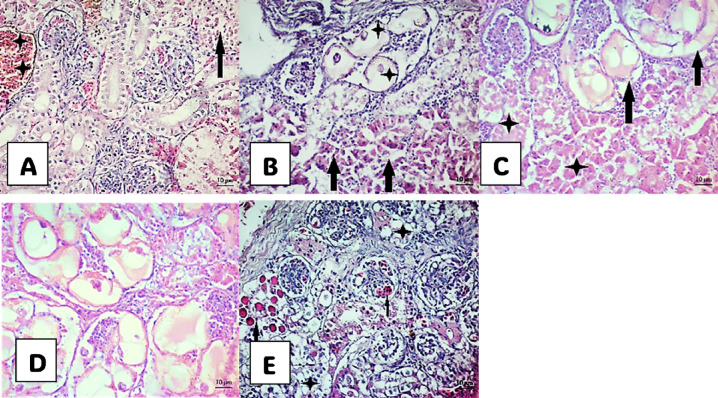
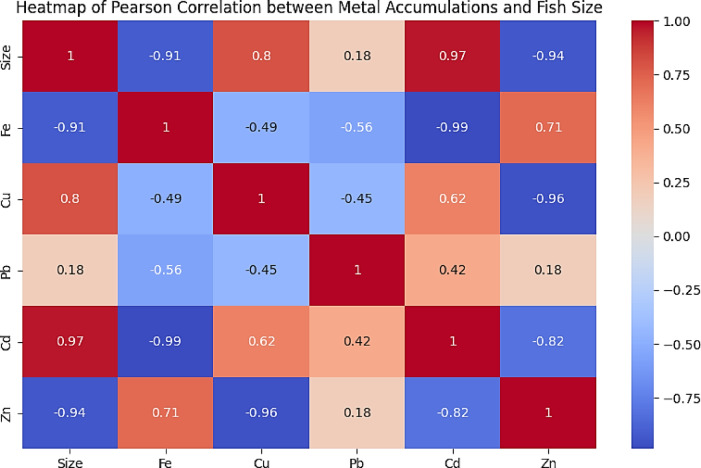
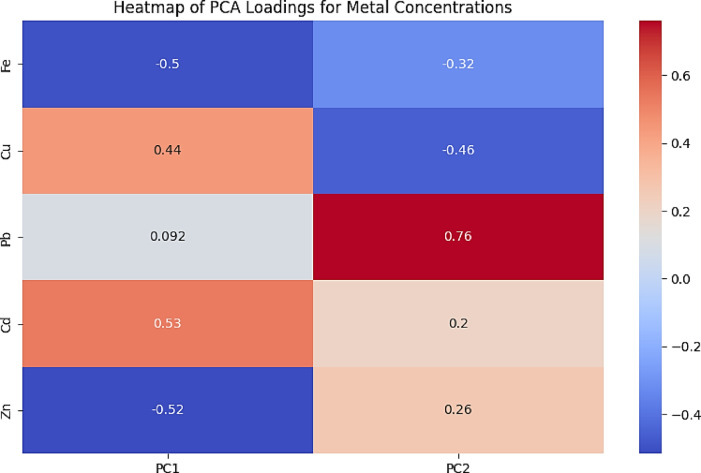
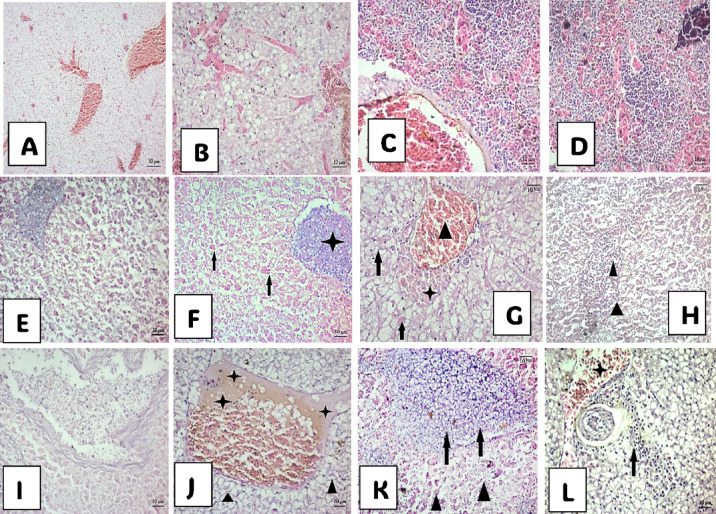
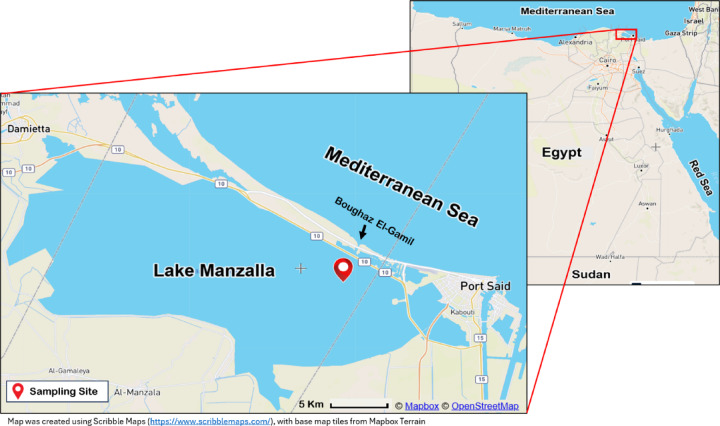
Pollutants, such as heavy metals (HM) and parasites, pose significant threats to aquatic environments. These contaminants can gather in fish, adversely affecting their health and potentially posing health risks to human consumers. Understanding the dynamics of these pollutants and their accumulative impact on fish of different sizes and the associated human health is crucial for the sustainability of aquatic ecosystems and food security. This study investigated the bioaccumulation of HM in the muscles of three different sizes of Mugil M. cephalus from the northeastern part of Lake Manzala, revealing significant size-related variations. Small-sized fish showed the highest levels of iron (Fe) and zinc (Zn), followed by medium-sized fish, while large-sized fish exhibited the lowest Fe and Zn concentrations. Conversely, larger fish accumulated higher levels of copper (Cu) and cadmium (Cd) compared to medium- and small-sized fish. Across all size groups of M. cephalus, the levels of both Fe and Cu exceeded the guidelines established by the Egyptian Organization for Standardization (EOS, 2005). The Metal Pollution Index (MPI) indicated that small-sized fish accumulate more HM, with medium- and large-sized fish showing lower MPI values compared to small-sized fish. In small- and medium-sized fish, Fe recorded the highest EDI values, followed by Zn > Cu > Pb > and Cd. In contrast, large-sized fish exhibited an EDI pattern of Fe > Cu > Zn > Pb > Cd for both normal and habitual consumers. Pearson correlation coefficients indicated strong negative correlations for Fe and Zn with fish size and strong positive correlations for Cd and Cu, while Pb showed a weak positive correlation. Principal Component Analysis (PCA) identified Cd, Cu, and Zn as primary contributors, with Fe and Zn showing negative loadings associated with smaller fish, and Pb had a significant positive loading in larger fish. The Target Hazard Quotient (THQ) and Hazard Index (HI) values revealed a size-related variation in health risks. Small-sized fish posed the highest non-carcinogenic risk for normal consumers; habitual consumers revealed significant health hazards (HI > 1) across all fish sizes, but it is particularly pronounced in consumers of small-sized fish. Although normal consumers recorded negligible carcinogenic risk, habitual consumers recorded low risk. The histological investigation showed significant alterations in the gills, liver, and kidneys of M. Cephalus is related to Myxobolus infection and HM accumulation, particularly Cd and Cu. Medium- and large-sized fish displayed more severe tissue alterations associated with higher HM load and increased prevalence of Myxobolus parasites. The findings emphasize that fish size is a critical factor affecting the synergistic interactions among heavy metal load and associated human health risks, parasitic infection, and histopathological lesions in fish. Underscoring the importance of continuous monitoring and risk assessment of HM and parasitic infections in aquatic ecosystems.
重金属(HM)和寄生虫等污染物对水生环境构成重大威胁。这些污染物会在鱼类体内聚集,对其健康产生不利影响,并可能对人类消费者构成健康风险。了解这些污染物的动态变化及其对不同大小鱼类的累积影响以及相关的人类健康状况,对于水生生态系统的可持续性和食品安全至关重要。本研究调查了曼扎拉湖东北部三种不同大小的鲻鱼(Mugil M. cephalus)肌肉中重金属的生物累积情况,发现存在与大小相关的显著差异。小型鱼体内铁(Fe)和锌(Zn)含量最高,其次是中型鱼,而大型鱼体内Fe和Zn浓度最低。相反,与中型和小型鱼相比,大型鱼积累了更高水平的铜(Cu)和镉(Cd)。在所有大小的鲻鱼中,Fe和Cu的含量均超过了埃及标准化组织(EOS,2005)制定的指导标准。金属污染指数(MPI)表明,小型鱼积累的重金属更多,中型和大型鱼的MPI值低于小型鱼。在小型和中型鱼中,Fe的估计每日摄入量(EDI)值最高,其次是Zn > Cu > Pb > Cd。相比之下,对于正常消费者和习惯性消费者而言,大型鱼的EDI模式均为Fe > Cu > Zn > Pb > Cd。皮尔逊相关系数表明,Fe和Zn与鱼的大小呈强负相关,Cd和Cu呈强正相关,而Pb呈弱正相关。主成分分析(PCA)确定Cd、Cu和Zn为主要贡献因素,Fe和Zn与较小的鱼呈负负荷相关,而Pb在较大的鱼中具有显著的正负荷。目标危害商数(THQ)和危害指数(HI)值显示健康风险存在与大小相关的差异。小型鱼对正常消费者构成的非致癌风险最高;习惯性消费者在所有大小的鱼中均显示出显著的健康危害(HI > 1),但在小型鱼消费者中尤为明显。虽然正常消费者的致癌风险可忽略不计,但习惯性消费者的风险较低。组织学调查显示,鲻鱼的鳃、肝脏和肾脏存在显著变化,这与粘孢子虫感染和重金属积累有关,尤其是Cd和Cu。中型和大型鱼表现出更严重的组织变化,与更高的重金属负荷和粘孢子虫寄生虫患病率增加有关。研究结果强调,鱼的大小是影响重金属负荷与相关人类健康风险、寄生虫感染以及鱼类组织病理学病变之间协同相互作用的关键因素。强调了持续监测和评估水生生态系统中重金属和寄生虫感染风险的重要性。