Rosen S M, Truniger B P, Kriek H R, Murray J E, Merrill J P
J Clin Invest. 1967 Jul;46(7):1239-53. doi: 10.1172/JCI105617.
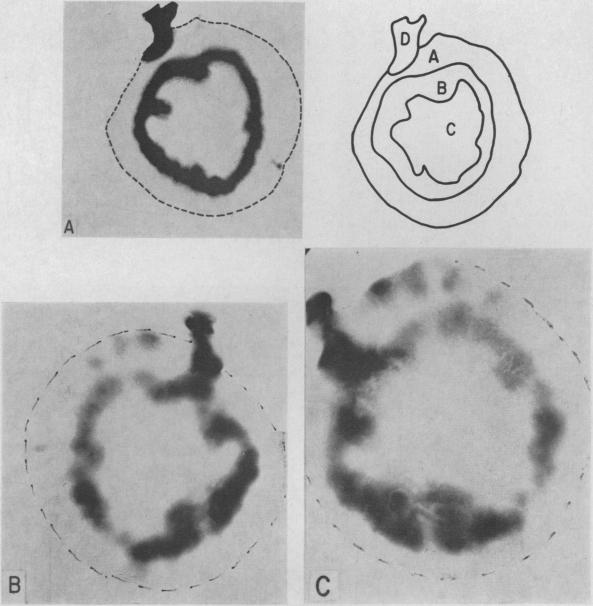
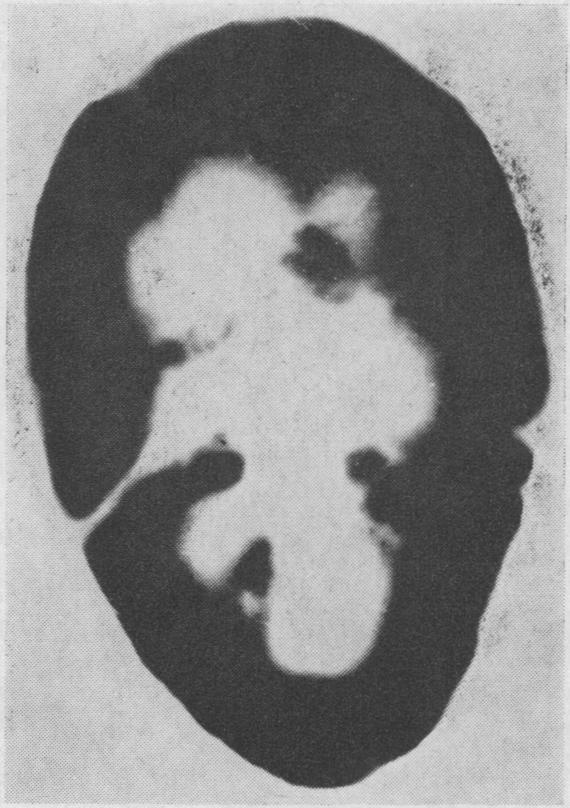
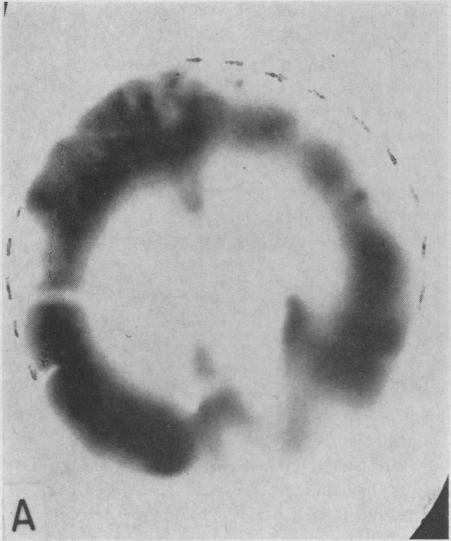
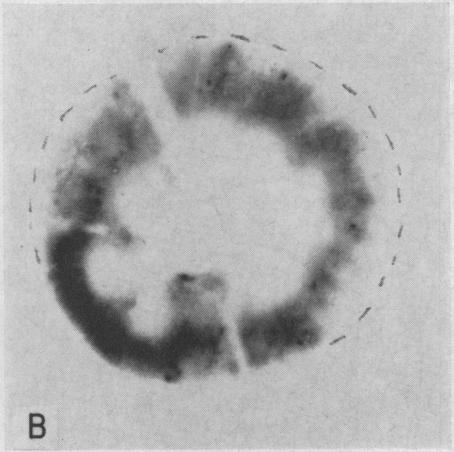
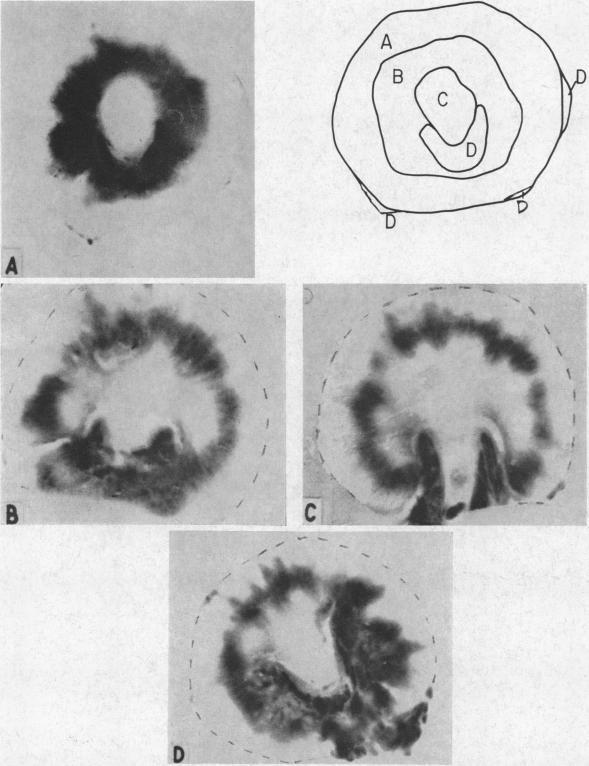
Serial measurements of intrarenal distribution of blood flow have been recorded in anesthetized dogs with the (133)xenon "washout" technique. The results showed that normal kidneys redistributed their blood flow after laparotomy and mobilization of the kidney. This alteration consisted of a diminution in percentage of total renal blood flow supplied to the fastest flowing component, and a diminution of renal mass supplied by that component. This effect lasted for as long as 7 days. Thereafter, the blood flow distribution remained stable. Autotransplanted kidneys had a stable distribution of blood flow between 0 and 77 days after operation, the values being identical with the stable normal kidney. Homotransplanted kidneys had the same intrarenal distribution of blood flow after operation as the autotransplanted kidneys. Whereas the intrarenal distribution of blood flow of the autotransplanted kidneys remained stable, a redistribution occurred in the homotransplanted kidneys as rejection progressed. This phenomenon occurred before marked elevation of blood urea nitrogen. The redistribution was due to a decrease in percentage of blood flow supplied to the fastest flowing component, and a relative reduction of tissue mass perfused by this component. Radioautography of the kidneys before rejection demonstrated that the cortex was homogeneously perfused by the fastest flowing component of blood flow. As rejection progressed, a reduced area of cortex was perfused by this component. Terminally, the fastest flowing component was located in the outer medulla. It is suggested that the reduction in cortical blood flow produced by immunological mechanisms may play a prominent role in the ensuing renal failure.
采用氙-133“洗脱”技术,对麻醉犬肾内血流分布进行了连续测量。结果显示,正常肾脏在剖腹术及肾脏游离术后会重新分配其血流。这种改变表现为供应给血流最快部分的肾总血流量百分比减少,以及该部分所供应的肾实质减少。这种效应持续长达7天。此后,血流分布保持稳定。自体移植肾在术后0至77天内血流分布稳定,其数值与稳定的正常肾脏相同。同种移植肾术后肾内血流分布与自体移植肾相同。虽然自体移植肾的肾内血流分布保持稳定,但随着排斥反应的进展,同种移植肾会发生血流重新分布。这种现象在血尿素氮显著升高之前就已出现。血流重新分布是由于供应给血流最快部分的血流量百分比减少,以及该部分灌注的组织质量相对减少。排斥反应发生前肾脏的放射自显影显示,皮质由血流最快部分均匀灌注。随着排斥反应的进展,该部分灌注的皮质面积减少。最终,血流最快部分位于外髓质。提示免疫机制导致的皮质血流减少可能在随后的肾衰竭中起重要作用。