
变异型心绞痛患者左心室功能及相关血流动力学变化
Left ventricular performance and related haemodynamic changes in Prinzmetal's variant angina pectoris.
作者信息
Guazzi M, Polese A, Fiorentini C, Magrini F, Bartorelli C
出版信息
Br Heart J. 1971 Jan;33(1):84-94. doi: 10.1136/hrt.33.1.84.
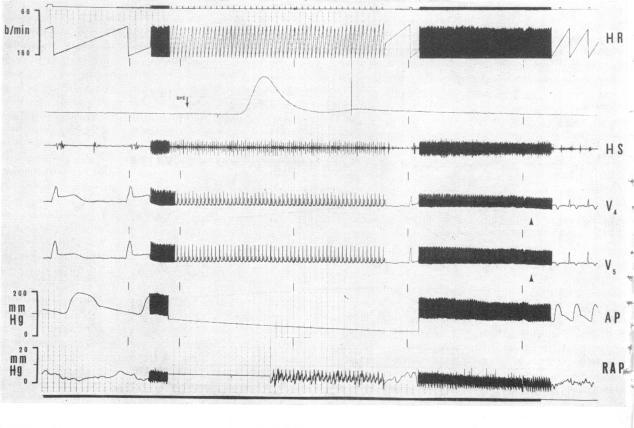
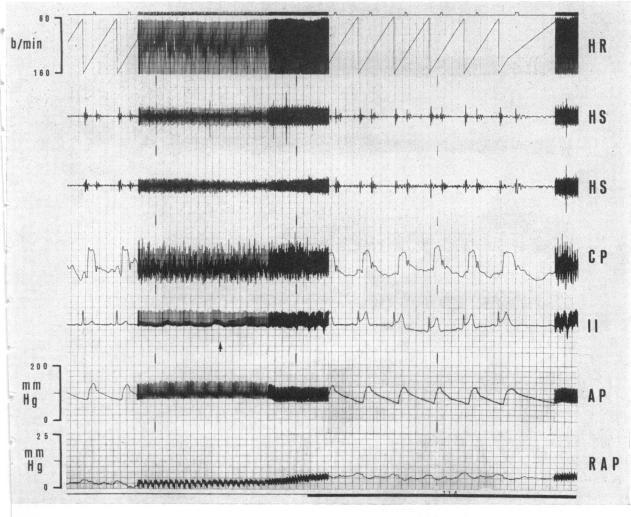
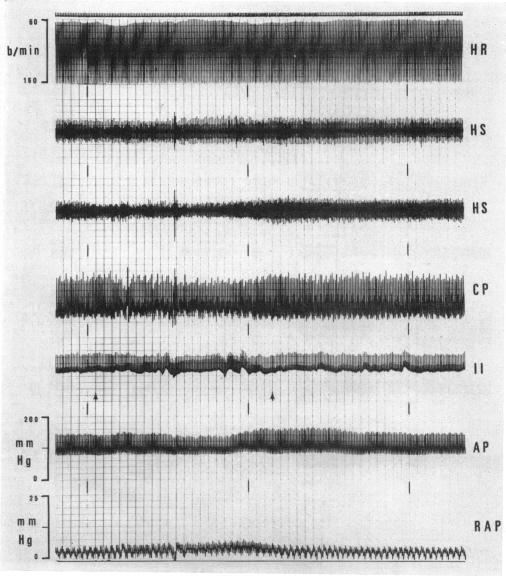
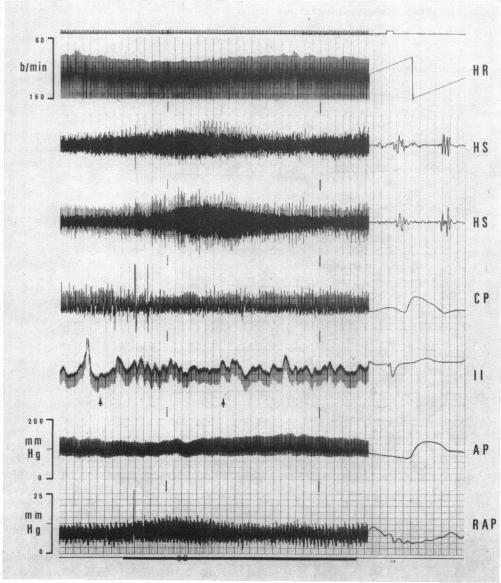
Attacks of Prinzmetal's variant form of angina pectoris are spontaneous, recur cyclically, and present unequivocal electrocardiographic alterations: they are ideal for a detailed haemodynamic study.Four patients with this form of angina were investigated. In each of them episodes occurred of electrocardiographic abnormalities either accompanied or unaccompanied by pain. During the same session, the cardiogram, heart rate, arterial pressure, and right atrial pressure were continuously recorded during periods ranging from 5 to 7 hours in each patient. Cardiac output was measured at selected times. Left ventricular ejection time, isovolumic contraction time, mean rate of isovolumic pressure development, and mean systolic ejection rate were also determined. In the 38 recorded anginal episodes, no circulatory change preceded the cardiographic modifications. From the onset of the electrocardiographic abnormalities to the beginning of their reversion, the following circulatory events were observed: (1) obvious reduction of cardiac output; (2) arterial hypotension; (3) lengthening of isovolumic contraction time and mean rate of isovolumic pressure development; (5) reduction of mean systolic ejection rate. It is concluded: (1) that no circulatory factor interfering with work or oxygen consumption of the heart is responsible for eliciting these anginal episodes; (2) that conspicuous left ventricular impairment occurs during the increasing and steady period of the electrocardiographic abnormalities. As the electrocardiogram started reverting to the pre-attack aspect, cardiac performance rapidly improved and, after a ;supernormal' phase, returned in about 2 minutes to basal levels. It is possible that this phase is dependent on a temporary sympathetic compensatory mechanism. No significant qualitative differences were detected between the circulatory pattern of various anginal episodes. The difference was mainly quantitative and the magnitude of the haemodynamic changes correlated well with the degree of the electrocardiographic abnormalities. Pain, when present, seemed just a concomitant symptom not significantly interfering with the circulatory changes associated with the episodes of this form of angina pectoris.
变异型心绞痛(Prinzmetal 型)发作是自发性的,呈周期性复发,并伴有明确的心电图改变:这使其成为详细血流动力学研究的理想对象。对 4 例该型心绞痛患者进行了研究。每位患者均出现过伴有或不伴有疼痛的心电图异常发作。在同一时段,对每位患者进行了 5 至 7 小时的连续记录,期间持续记录心电图、心率、动脉压和右心房压。在选定时间测量心输出量。还测定了左心室射血时间、等容收缩时间、平均等容压力上升速率和平均收缩期射血速率。在记录的 38 次心绞痛发作中,心电图改变之前未出现循环变化。从心电图异常开始到恢复,观察到以下循环事件:(1)心输出量明显降低;(2)动脉低血压;(3)等容收缩时间延长和平均等容压力上升速率增加;(5)平均收缩期射血速率降低。得出以下结论:(1)引发这些心绞痛发作的原因并非是干扰心脏工作或耗氧量的循环因素;(2)在心电图异常加重和稳定期会出现明显的左心室功能损害。随着心电图开始恢复到发作前状态,心脏功能迅速改善,经过一个“超常”期后,约 2 分钟内恢复到基础水平。此阶段可能依赖于一种临时性的交感神经代偿机制。不同心绞痛发作的循环模式未检测到明显的质性差异。差异主要是量的方面,血流动力学变化的幅度与心电图异常程度密切相关。疼痛若出现,似乎只是一种伴随症状,并未显著干扰与该型心绞痛发作相关的循环变化。
 Zotero 插件