Lee G R, Nacht S, Lukens J N, Cartwright G E
J Clin Invest. 1968 Sep;47(9):2058-69. doi: 10.1172/JCI105891.
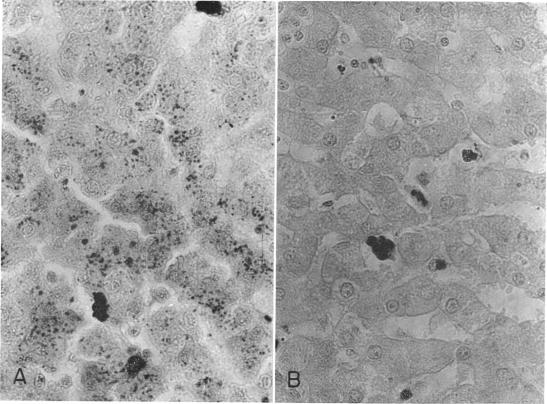
The way in which iron is handled by the duodenal mucosa, the reticuloendothelial system, the hepatic parenchymal cell, and the normoblast was investigated in copper-deficient swine.Copper-deficient swine failed to absorb dietary iron at the normal rate. Increased amounts of stainable iron were observed in fixed sections of duodenum from such animals. When (59)iron was administered orally, the mucosa of copper-deficient animals extracted iron from the duodenal lumen at the normal rate, but the subsequent transfer to plasma was impaired.When intramuscular iron supplements were given to copper-deficient pigs, increased amounts of iron were found in the reticuloendothelial system, the hepatic parenchymal cells, and in normoblasts (sideroblasts). Hypoferremia was observed in the early stages of copper deficiency, even though iron stores were normal or increased. When red cells that were damaged by prolonged storage were administered, the reticuloendothelial system failed to extract and transfer the erythrocyte iron to the plasma at the normal rate. Administration of copper to copper-deficient animals with normal iron stores resulted in a prompt increase in the plasma iron. The observed abnormalities in iron metabolism are best explained by an impaired ability of the duodenal mucosa, the reticuloendothelial system, and the hepatic parenchymal cell to release iron to the plasma. It is suggested that copper is essential to the normal release of iron from these tissues. This concept is compatible with the suggestion made by others that the transfer of iron from tissues to plasma requires the enzymatic oxidation of ferrous iron, and that the plasma copper protein, ceruloplasmin, is the enzyme (ferroxidase) which catalyzes the reaction. Because excessive amounts of iron were found in normoblasts, it is suggested that an additional defect in iron metabolism affects these cells and plays a major role in the development of anemia. As a result of the proposed defect, iron cannot be incorporated into hemoglobin and, instead, accumulates as nonhemoglobin iron.
在缺铜猪中研究了十二指肠黏膜、网状内皮系统、肝实质细胞和成红细胞处理铁的方式。缺铜猪无法以正常速率吸收膳食铁。在这类动物十二指肠的固定切片中观察到可染色铁的量增加。当口服(59)铁时,缺铜动物的黏膜以正常速率从十二指肠腔中提取铁,但随后向血浆的转运受损。当给缺铜猪肌肉注射铁补充剂时,在网状内皮系统、肝实质细胞和成红细胞(铁粒幼细胞)中发现铁的量增加。在铜缺乏的早期阶段观察到低铁血症,尽管铁储存正常或增加。当给予因长期储存而受损的红细胞时,网状内皮系统无法以正常速率提取红细胞铁并将其转运至血浆。给铁储存正常的缺铜动物补充铜后,血浆铁迅速增加。观察到的铁代谢异常最好用十二指肠黏膜、网状内皮系统和肝实质细胞向血浆释放铁的能力受损来解释。有人认为铜对于这些组织中铁的正常释放至关重要。这一概念与其他人提出的观点一致,即铁从组织向血浆的转运需要亚铁离子的酶促氧化,而血浆铜蛋白,即铜蓝蛋白,是催化该反应的酶(亚铁氧化酶)。由于在成红细胞中发现了过量的铁,有人认为铁代谢的另一个缺陷影响这些细胞,并在贫血的发展中起主要作用。由于所提出的缺陷,铁无法掺入血红蛋白,而是以非血红蛋白铁的形式积累。