Horwitz M S, Ariga H
Proc Natl Acad Sci U S A. 1981 Mar;78(3):1476-80. doi: 10.1073/pnas.78.3.1476.
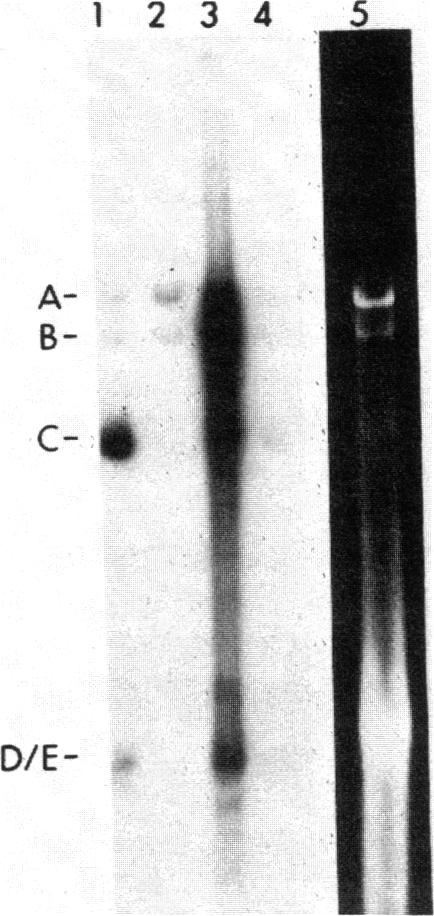
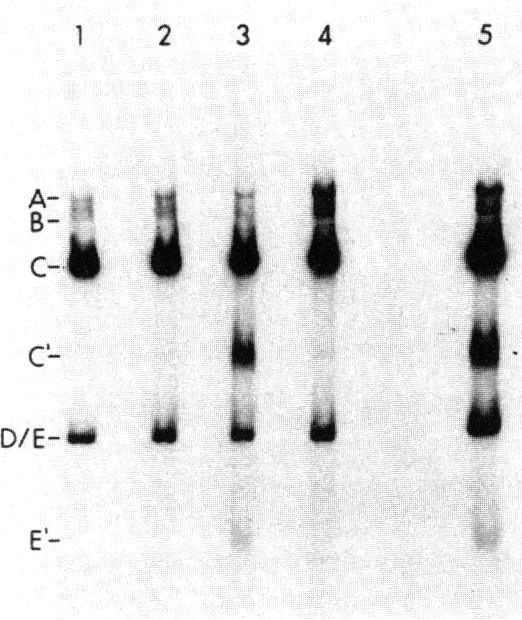
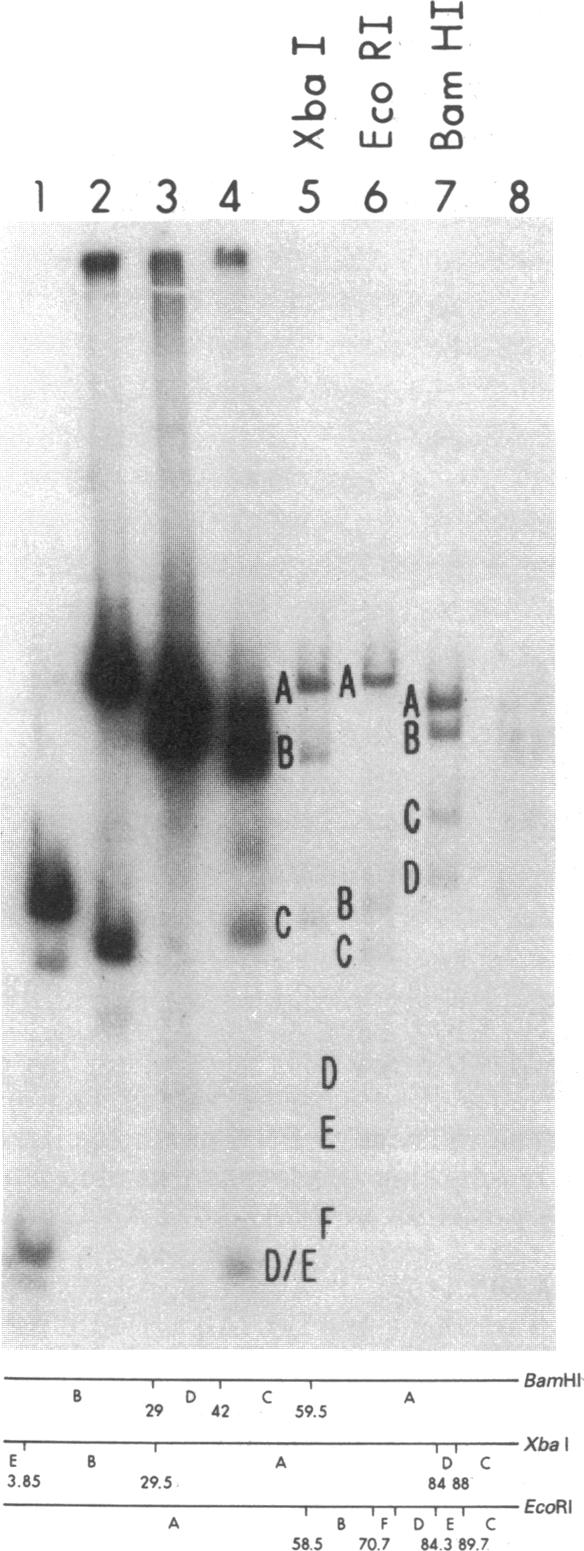
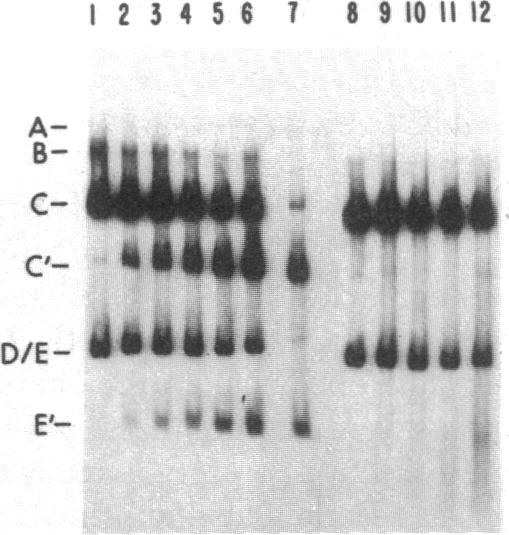
Adenovirus (Ad) type 2 DNA synthesis can be initiated in the presence of a soluble extract of uninfected HeLa cell nuclei, a 25-60% saturated ammonium sulfate fraction of infected cytoplasm and viral DNA covalently linked to a 5'-terminal protein (Ad DNA-prot). As the purification, from either the nuclei or cytoplasm, of factors active in DNA replication proceeded, various nonreplicative reactions which incorporate labeled deoxynucleotides were uncovered. In order to distinguish replicative from repair reactions, an assay was developed in which the Ad DNA-prot was digested with Xba I, all of the fragments so produced were used (without separation) in a replication reaction, and the products were assayed by electrophoresis on neutral agarose gels. In replicative reactions, most of the radioactivity was incorporated into the terminal fragments, with the internal fragments remaining unlabeled. Infected cytoplasm contains a "discrimination" function in addition to specific factors for Ad DNA replication. The discrimination factors inhibit the nonspecific nucleotide incorporation by uninfected HeLa nuclear extracts on Ad DNA-prot. The specific replicative incorporation into the terminal Ad DNA-prot fragments has also allowed an independent assay for reinitiation of progeny molecules synthesized in vitro. After the first round of replication, the 5' strand of the progeny duplex from each end is labeled. These same labeled strands will be displaced during the second round of replication and appear in new bands which have been shown to be the single-strand equivalents of the terminal fragments. Thus, at least two rounds of Ad DNA synthesis can initiate at each terminus in vitro. The appearance of displaced single strands requires DNA replication because the addition of dideoxycytidine triphosphate after the first round of synthesis prevents the displacement reaction. Both the progeny single- and double-stranded DNA appear to be linked to protein.
2型腺病毒(Ad)DNA合成可在未感染的HeLa细胞核可溶性提取物、感染细胞质的25%-60%饱和硫酸铵级分以及与5'-末端蛋白共价连接的病毒DNA(Ad DNA-prot)存在的情况下启动。随着从细胞核或细胞质中纯化参与DNA复制的活性因子,发现了各种掺入标记脱氧核苷酸的非复制性反应。为了区分复制反应和修复反应,开发了一种检测方法,即用Xba I消化Ad DNA-prot,将产生的所有片段(不进行分离)用于复制反应,并通过在中性琼脂糖凝胶上进行电泳来检测产物。在复制反应中,大部分放射性被掺入末端片段,内部片段保持未标记。感染的细胞质除了含有Ad DNA复制的特异性因子外,还具有“区分”功能。区分因子抑制未感染的HeLa核提取物对Ad DNA-prot的非特异性核苷酸掺入。对末端Ad DNA-prot片段的特异性复制掺入也允许对体外合成的子代分子的重新起始进行独立检测。第一轮复制后,来自两端的子代双链体的5'链被标记。这些相同的标记链将在第二轮复制过程中被置换,并出现在新的条带中,这些条带已被证明是末端片段的单链等效物。因此,体外每个末端至少可以启动两轮Ad DNA合成。置换单链的出现需要DNA复制,因为在第一轮合成后添加双脱氧胞苷三磷酸可阻止置换反应。子代单链和双链DNA似乎都与蛋白质相连。