Damstra-Wijmenga S M
J R Coll Gen Pract. 1984 Aug;34(265):425-30.
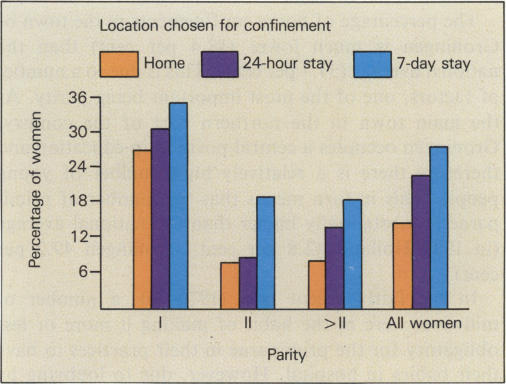
This study was an objective evaluation of the outcome of home confinement, which is still common in Holland, compared with delivery in hospital. To this end, 1,692 women in Groningen were interviewed three weeks after confinement to find out how their pregnancy, delivery and childbed period had progressed according to the place of confinement, and to obtain facts about the morbidity of their babies.Among women who had opted for home confinement (if allowed) significantly fewer complications occurred during pregnancy, delivery or puerperium than among those who had their babies in hospital. Morbidity was also lower among babies born at home. The study suggests that it is a responsible decision for a normal healthy woman given the right kind of antenatal supervision to have her baby at home with the least risk of complications.
本研究旨在客观评估与在医院分娩相比,在荷兰仍较为常见的居家分娩的结果。为此,格罗宁根的1692名女性在分娩三周后接受了访谈,以了解根据分娩地点,她们的孕期、分娩期和产褥期进展如何,并获取有关其婴儿发病率的事实。在选择居家分娩(若允许)的女性中,孕期、分娩期或产褥期出现的并发症明显少于在医院分娩的女性。在家中出生的婴儿发病率也较低。该研究表明,对于一名正常健康的女性,在得到适当产前监护的情况下,在家中分娩是一个负责任的决定,并发症风险最小。