Hardy K, Haefeli C
J Bacteriol. 1982 Oct;152(1):524-6. doi: 10.1128/jb.152.1.524-526.1982.
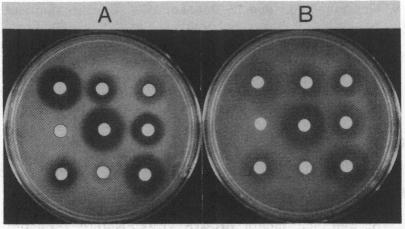
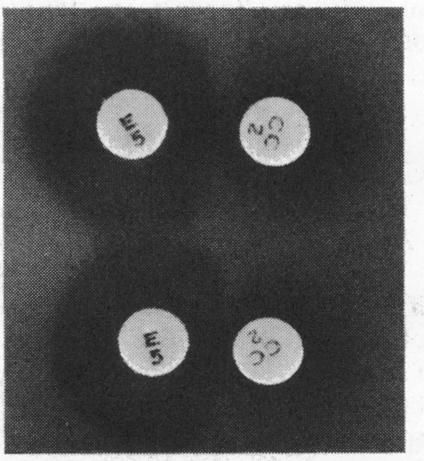
Plasmid pBD9, which comprises two plasmids from Staphylococcus aureus, pE194 and pUB110, was joined to plasmid pBR322 by in vitro recombination to form plasmid pKH80. The ermC gene of plasmid pE194 confers inducible resistance to macrolide, lincosamide, and streptogramin type B antibiotics. When pKH80 was transferred to Escherichia coli K-12, the bacteria became resistant to several of these antibodies.
质粒pBD9由来自金黄色葡萄球菌的两个质粒pE194和pUB110组成,通过体外重组与质粒pBR322连接,形成质粒pKH80。质粒pE194的ermC基因赋予对大环内酯类、林可酰胺类和B型链阳菌素类抗生素的诱导抗性。当pKH80转移到大肠杆菌K-12中时,该细菌对其中几种抗生素产生抗性。