Gress F M, Myerowitz R L, Pasculle A W, Rinaldo C R, Dowling J N
Am J Pathol. 1980 Oct;101(1):63-77.
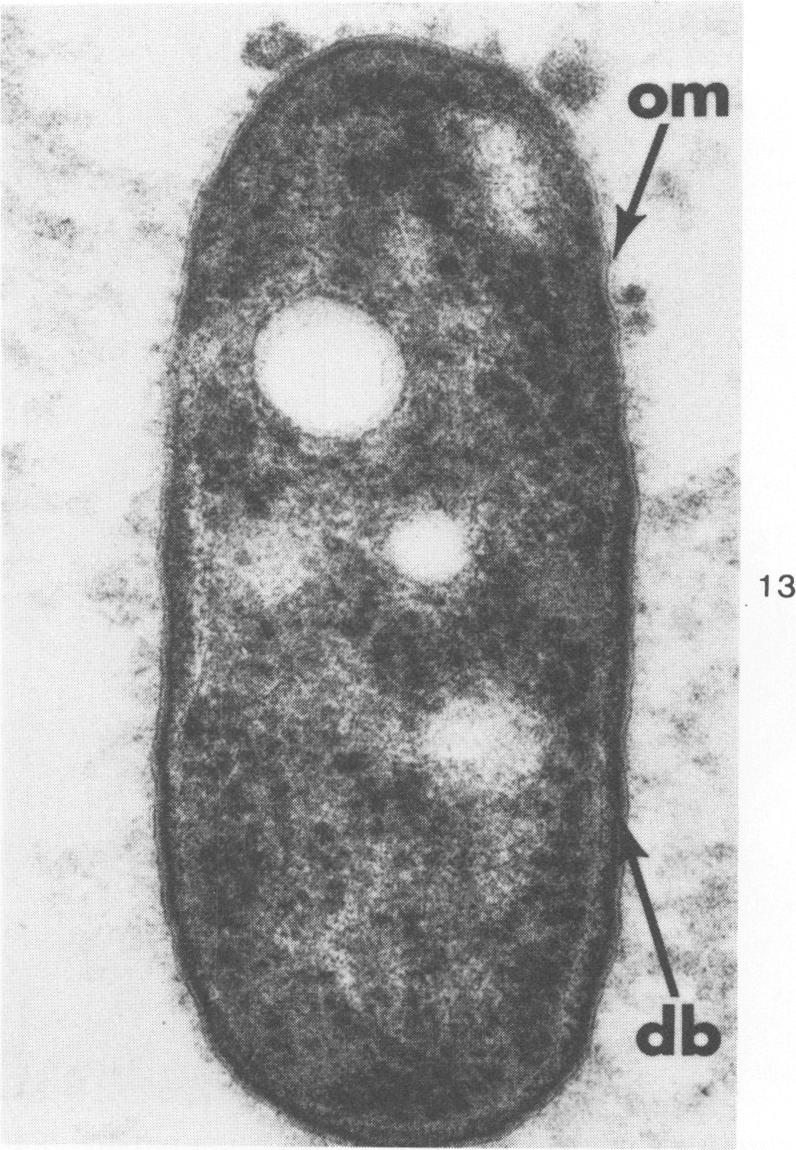
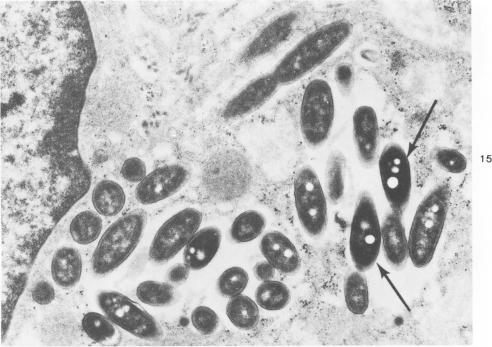
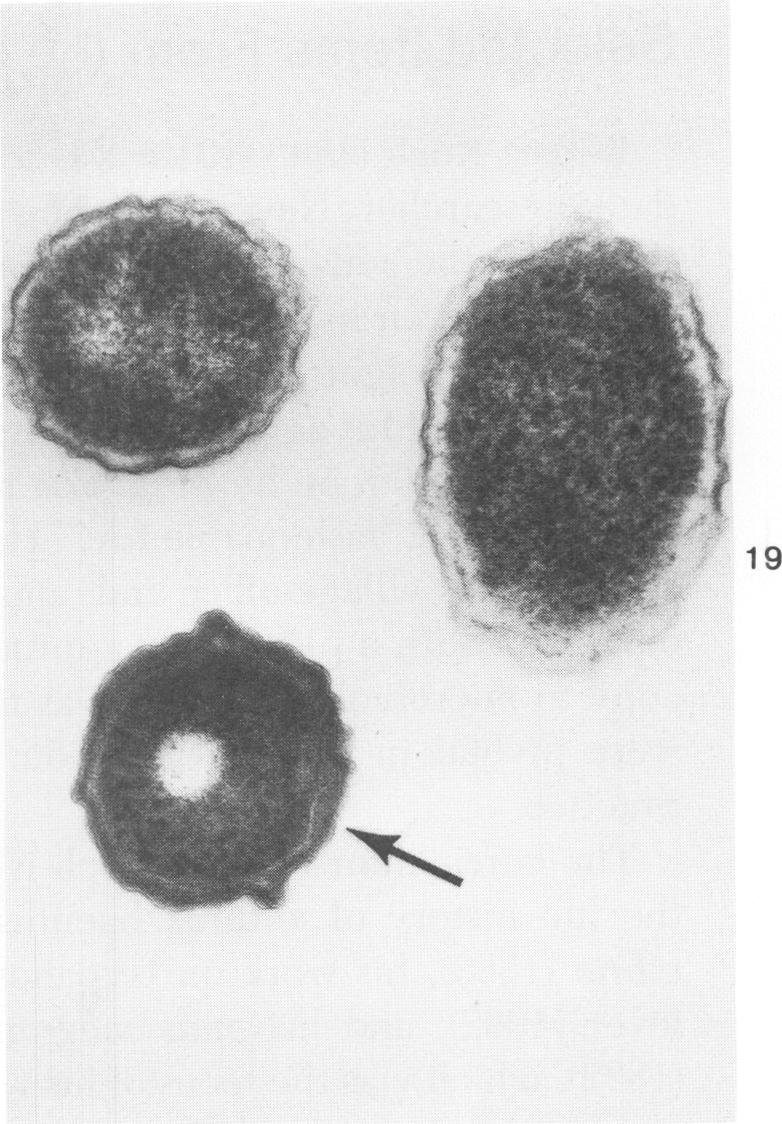
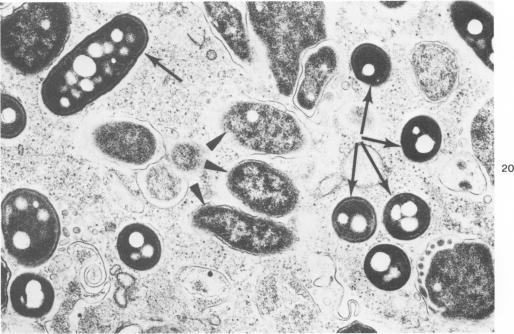
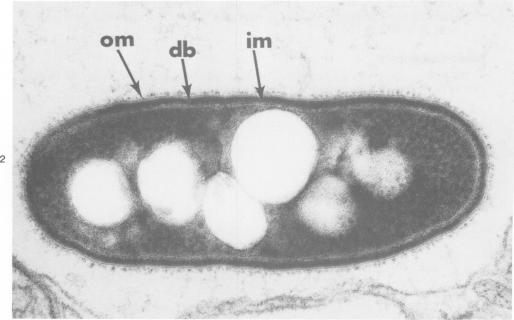
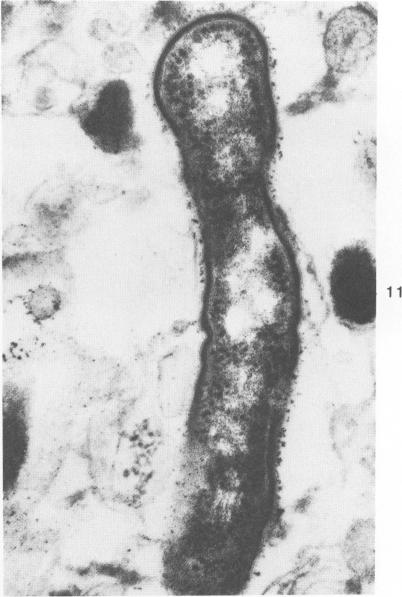
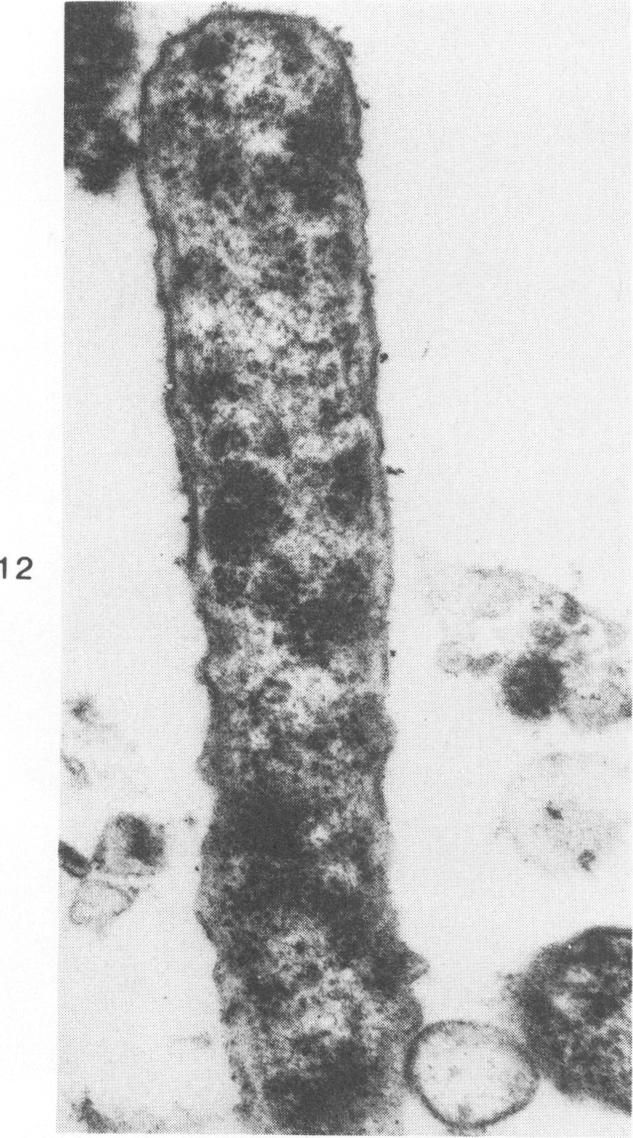
The fine structure of "Pittsburgh Pneumonia Agent" (PPA) was studied in infected human lung, guinea pig omentum, yolk sac membrane, Vero cell culture, and after cultivation of the organism on buffered charcoal yeast extract agar. The organism is a prokaryotic cell with the general features of a gram-negative bacillus. PPA is ultrastructurally distinctive because of an unusually thick, electron-dense band present within the periplasmic space adjacent to the outer membrane of the cell wall. This band, presumably a mucopeptide (peptidoglycan) layer, was seen in about 95% of organisms in human lung but less frequently under certain conditions of laboratory infection or cultivation. Future studies are required to determine whether this ultrastructural dimorphism of PPA is related to variation in other properties of this bacterium, eg, gram-variability, acid-fastness, colony morphology, and virulence.
在受感染的人肺、豚鼠网膜、卵黄囊膜、Vero细胞培养物中,以及在缓冲炭酵母提取物琼脂上培养该生物体后,对“匹兹堡肺炎病原体”(PPA)的精细结构进行了研究。该生物体是一种原核细胞,具有革兰氏阴性杆菌的一般特征。PPA在超微结构上具有独特性,因为在细胞壁外膜相邻的周质空间内存在一条异常厚的、电子致密带。这条带大概是一层粘肽(肽聚糖)层,在人肺中约95%的生物体中可见,但在实验室感染或培养的某些条件下较少见。需要进一步研究以确定PPA的这种超微结构二态性是否与该细菌的其他特性变化有关,例如革兰氏变异性、抗酸性、菌落形态和毒力。