Barrett M T, Reid B J, Joslyn G
Division of Public Health Sciences, Fred Hutchinson Cancer Research Center, Seattle, WA 98104, USA.
Nucleic Acids Res. 1995 Sep 11;23(17):3488-92. doi: 10.1093/nar/23.17.3488.
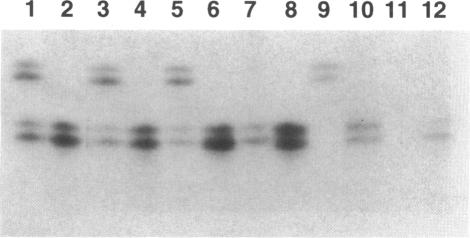
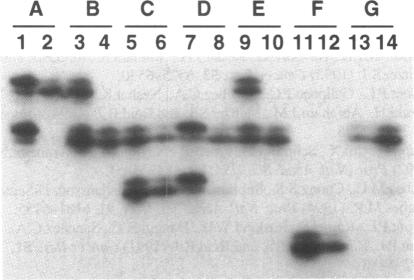
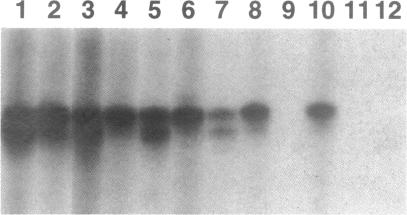
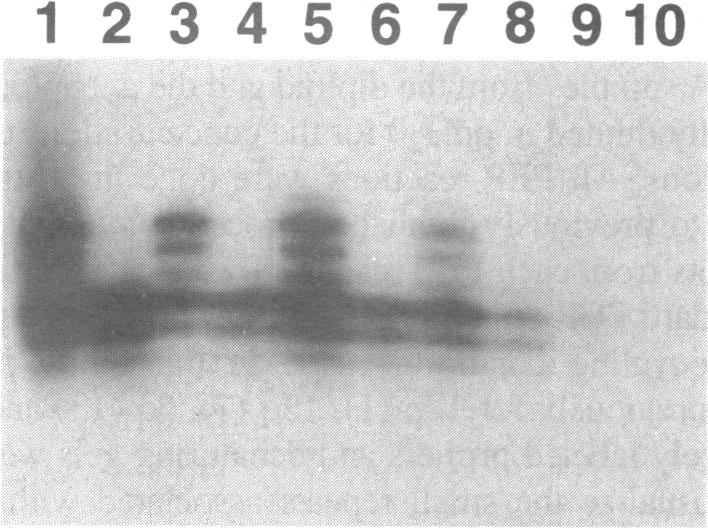
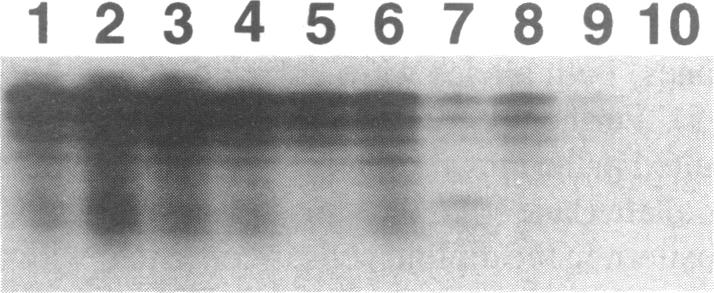
To screen multiple loci in small purified samples of diploid and aneuploid cells a PCR-based technique of whole genome amplification was adapted to the study of somatic lesions. DNA samples from different numbers of flow-sorted diploid and aneuploid cells from biopsies were amplified with a degenerate 15mer primer. Aliquots of these reactions were then used in locus-specific reactions using a single round of PCR cycles with individual sets of primers representing polymorphic markers for different regions. As a result, polymorphic markers for different chromosomal regions, including VNTRs and dinucleotide repeats, can be used to perform up to 30 locus-specific PCR assays with a single sample obtained from fewer than 1000 cells.
为了在二倍体和非整倍体细胞的小量纯化样本中筛选多个位点,一种基于聚合酶链反应(PCR)的全基因组扩增技术被应用于体细胞损伤的研究。用一个简并的15聚体引物对来自活检样本中不同数量的流式分选二倍体和非整倍体细胞的DNA样本进行扩增。然后,这些反应的等分试样用于位点特异性反应,使用一轮PCR循环,每组引物代表不同区域的多态性标记。结果,包括可变数目串联重复序列(VNTRs)和二核苷酸重复序列在内的不同染色体区域的多态性标记,可用于对从少于1000个细胞获得的单个样本进行多达30次的位点特异性PCR检测。