Olsson P E, Kling P, Petterson C, Silversand C
Department of Zoophysiology, University of Göteborg, Sweden.
Biochem J. 1995 Apr 1;307 ( Pt 1)(Pt 1):197-203. doi: 10.1042/bj3070197.
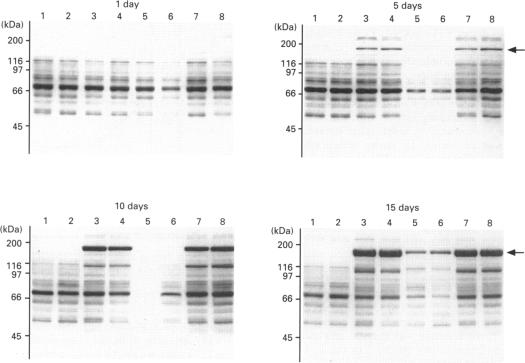
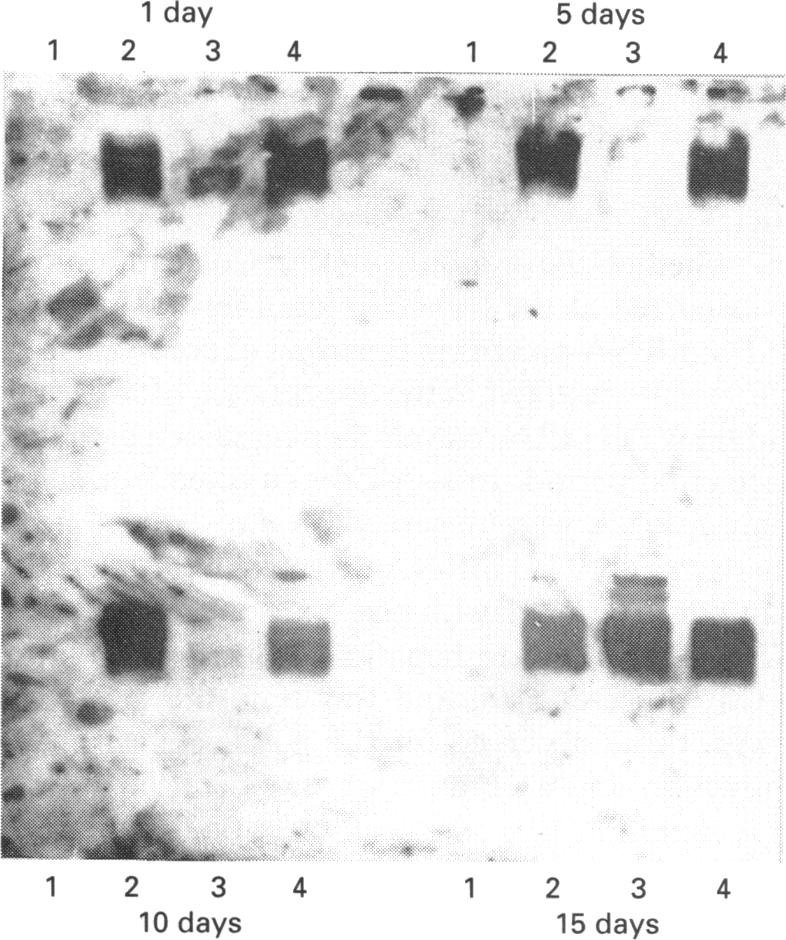
The induction of metallothionein and vitellogenin synthesis in rainbow trout liver was studied after injection of oestradiol-17 beta alone or in combination with cadmium or zinc. Intraperitoneal injection of oestradiol-17 beta increased the liver somatic index, with subsequent induction of vitellogenin synthesis. Oestradiol-17 beta did not induce metallothionein synthesis. Injection of cadmium induced the synthesis of metallothionein mRNA and metallothionein. Injection of oestradiol-17 beta in combination with cadmium resulted in inhibition of transcription and translation of both vitellogenin and metallothionein. Chromatography of liver cytosols revealed that cadmium, when co-injected with oestradiol-17 beta, did not bind to metallothionein but would initially bind to high-molecular-mass (HMr) cytosolic proteins. In fish injected with cadmium in combination with oestradiol-17 beta, cadmium was gradually redistributed from HMr proteins to metallothionein. This resulted in induction of metallothionein synthesis and in binding of most of the cadmium to metallothionein. Induction of vitellogenin mRNA was observed 15 days after injection, as cadmium was being redistributed to newly synthesized metallothionein. These findings indicate that cadmium inhibits the transcription of vitellogenin. The binding of cadmium to these non-metallothionein proteins represses the induction of metallothionein and results in increased toxicity of the metal. Preinduction of metallothionein by zinc injections resulted in decreased cadmium sensitivity of the fish and a decrease in the repression of vitellogenin mRNA. Furthermore, a role for metallothionein in the detoxification of cadmium is indicated by the induction of vitellogenin synthesis that occurs once metallothionein has begun sequestering cadmium.
研究了单独注射17β-雌二醇或与镉或锌联合注射后,虹鳟鱼肝中金属硫蛋白和卵黄蛋白原合成的诱导情况。腹腔注射17β-雌二醇会增加肝脏体指数,并随后诱导卵黄蛋白原的合成。17β-雌二醇不会诱导金属硫蛋白的合成。注射镉会诱导金属硫蛋白mRNA和金属硫蛋白的合成。联合注射17β-雌二醇和镉会导致卵黄蛋白原和金属硫蛋白的转录和翻译受到抑制。肝脏胞质溶胶的色谱分析表明,镉与17β-雌二醇共同注射时,不会与金属硫蛋白结合,但最初会与高分子量(HMr)胞质蛋白结合。在联合注射镉和17β-雌二醇的鱼中,镉逐渐从HMr蛋白重新分布到金属硫蛋白。这导致了金属硫蛋白合成的诱导以及大部分镉与金属硫蛋白的结合。在注射后15天观察到卵黄蛋白原mRNA的诱导,此时镉正在重新分布到新合成的金属硫蛋白中。这些发现表明镉抑制卵黄蛋白原的转录。镉与这些非金属硫蛋白的结合会抑制金属硫蛋白的诱导,并导致金属毒性增加。锌注射预先诱导金属硫蛋白会降低鱼对镉的敏感性,并减少卵黄蛋白原mRNA的抑制。此外,一旦金属硫蛋白开始螯合镉,卵黄蛋白原合成的诱导表明金属硫蛋白在镉解毒中发挥作用。