Faraonio R, Minopoli G, Porcellini A, Costanzo F, Cimino F, Russo T
Dipartimento di Biochimica e Biotecnologie Mediche, Università degli Studi di Napoli Federico II, Italy.
Nucleic Acids Res. 1994 Nov 25;22(23):4876-83. doi: 10.1093/nar/22.23.4876.
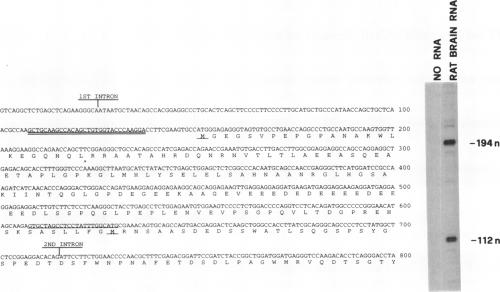
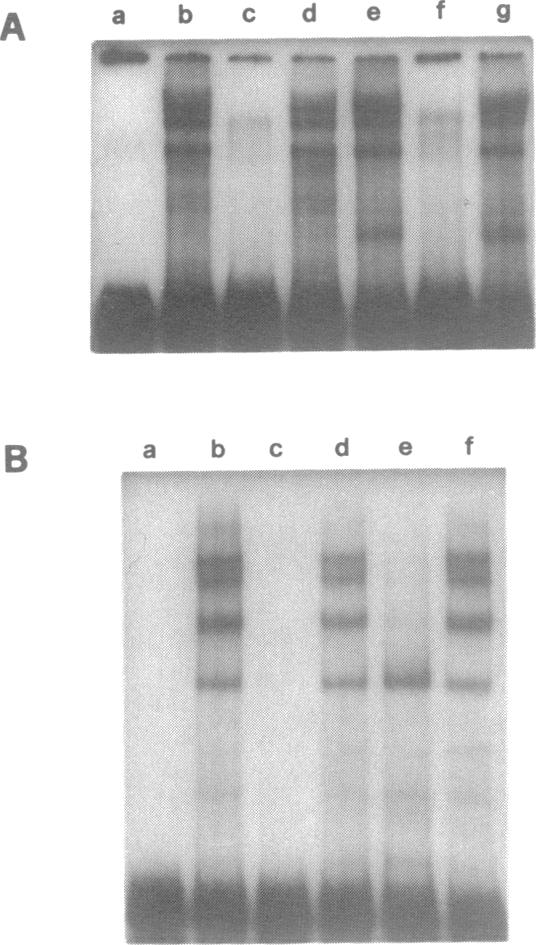
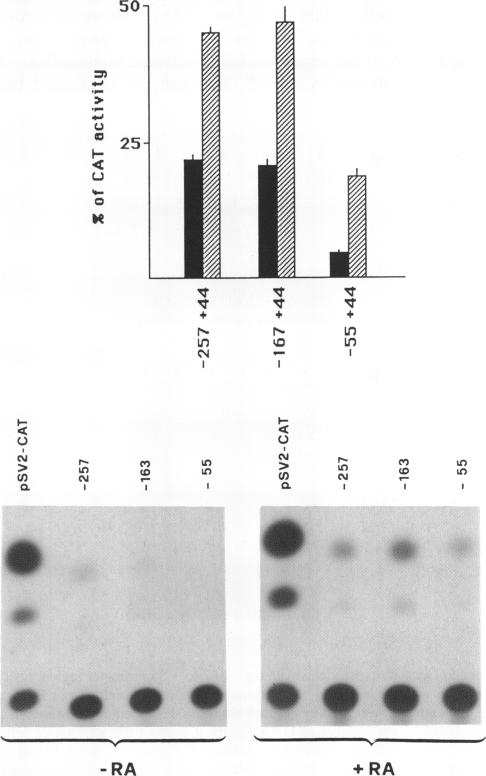
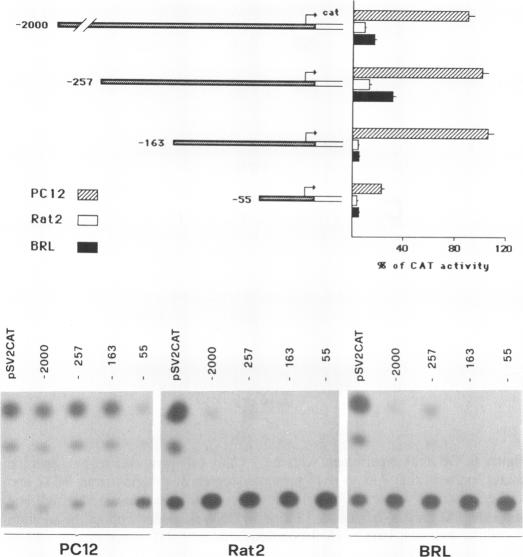
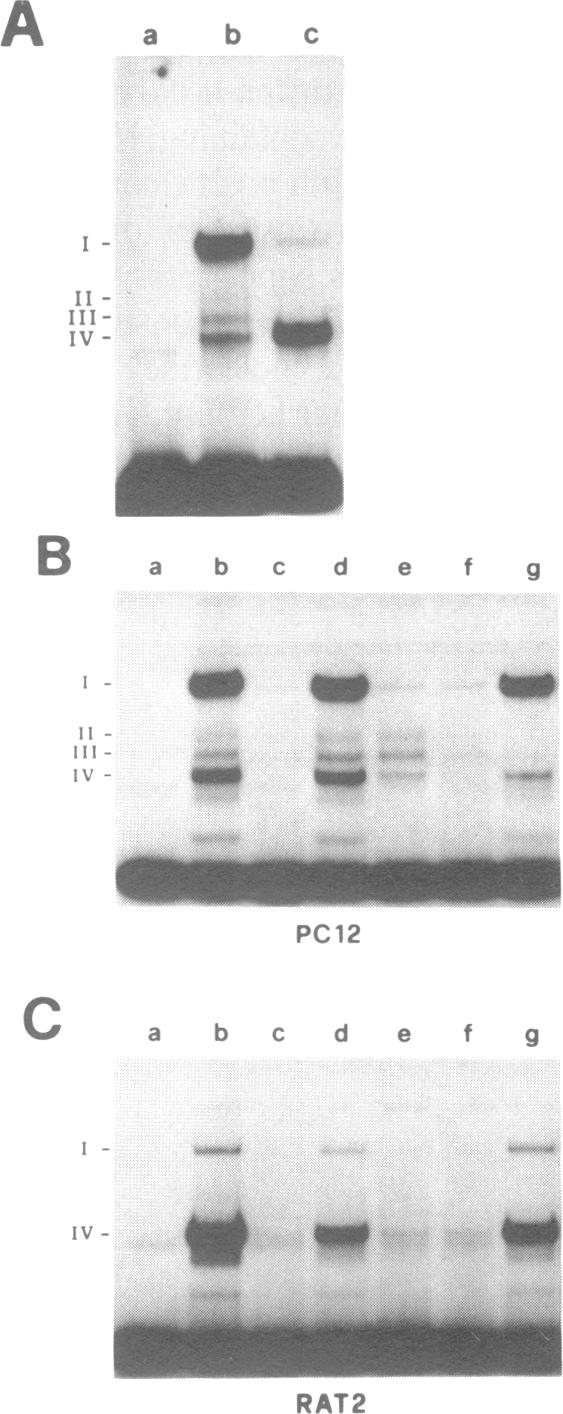
The FE65 gene encodes a nuclear protein of unknown function that is expressed in several areas of the rat nervous system during development and in the adult animal, particularly in somatic and visceral ganglia. FE65 mRNA is abundant in neuronal cell lines, whereas it is barely detectable in non-neuronal cells. We identified the two transcription start sites of the FE65 gene and we isolated the rat genomic fragment containing one of these two transcriptional start sites. We demonstrate that this fragment contains a promoter able to direct an efficient transcription of a reporter gene in PC12 cells and in NTERA2 cells upon their differentiation with retinoic acid, whereas it functions poorly in non-neuronal cells, such as Rat2 fibroblasts and BRL hepatocytes. This promoter is composed of two regions. The first includes a cis-element whose removal greatly decreases the transcriptional efficiency in all cells examined and which forms similar complexes with proteins from PC12 and Rat2 cells. This cis-element binds Sp1 or another GC-binding factor. The second cis-element encompasses the transcription start site and is still able to direct transcription only in neuronal cells. The DNA-protein complexes formed by this cis-element in neuronal cells differ from those formed in non-neuronal cells. The analysis of point mutations in this region indicates that the proteins that bind to this cis-element interact with both overlapping and distinct nucleotide sequences.
FE65基因编码一种功能未知的核蛋白,该蛋白在大鼠神经系统发育过程中的几个区域以及成年动物体内均有表达,尤其在躯体和内脏神经节中。FE65 mRNA在神经元细胞系中含量丰富,而在非神经元细胞中几乎检测不到。我们确定了FE65基因的两个转录起始位点,并分离出包含这两个转录起始位点之一的大鼠基因组片段。我们证明,该片段包含一个启动子,在用视黄酸诱导PC12细胞和NTERA2细胞分化时,它能够指导报告基因的高效转录,而在非神经元细胞(如Rat2成纤维细胞和BRL肝细胞)中功能较差。该启动子由两个区域组成。第一个区域包括一个顺式元件,去除该元件会大大降低所有检测细胞中的转录效率,并且它与PC12细胞和Rat2细胞中的蛋白质形成类似的复合物。该顺式元件结合Sp1或另一种GC结合因子。第二个顺式元件包含转录起始位点,并且仍然只能在神经元细胞中指导转录。该顺式元件在神经元细胞中形成的DNA-蛋白质复合物与在非神经元细胞中形成的复合物不同。对该区域点突变的分析表明,与该顺式元件结合的蛋白质与重叠和不同的核苷酸序列相互作用。