Sahu A P, Saxena A K
Industrial Toxicology Research Centre, Lucknow, India.
Environ Health Perspect. 1994 Oct;102 Suppl 5(Suppl 5):211-4. doi: 10.1289/ehp.94102s5211.
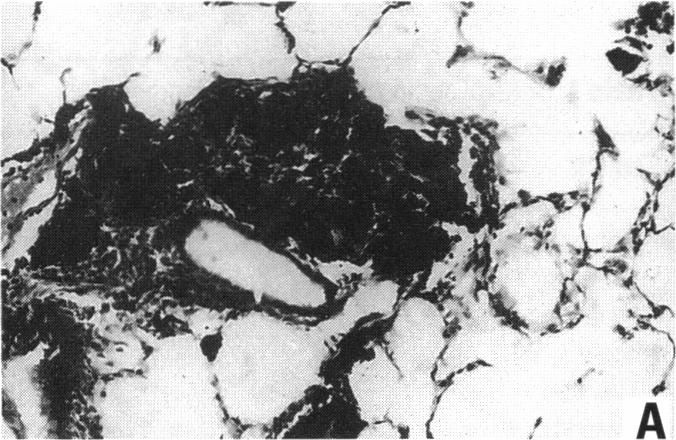
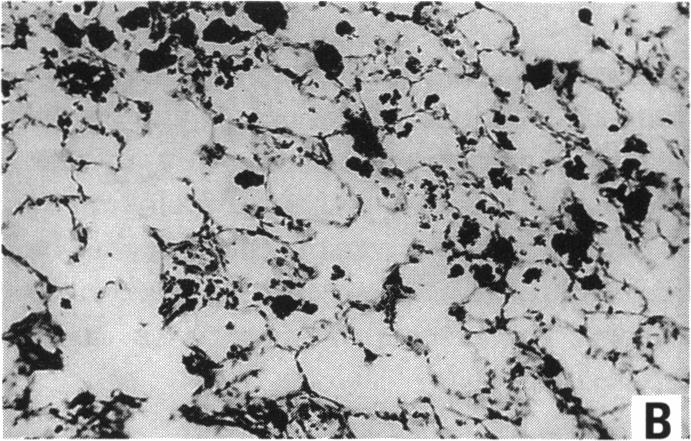
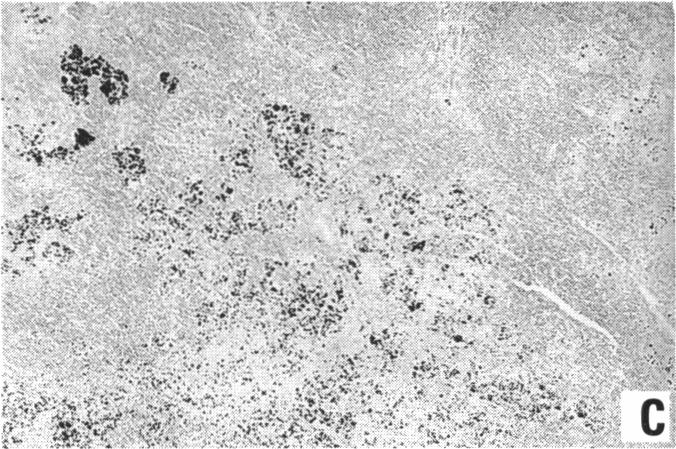
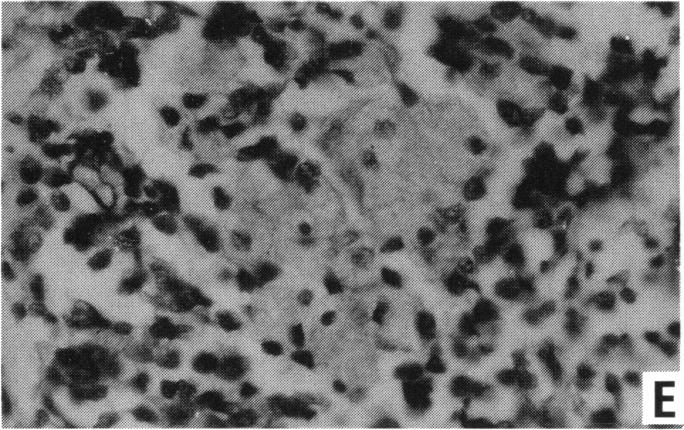
Because industrial workers in dusty or smoky environments seemed to experience no discomfort if they consumed the sugar cane product jaggery, experimental studies were undertaken to observe the effects of jaggery on dust-exposed rats. Rats with and without a single intratracheal instillation of coal dust (50 mg/rat) were orally gavaged with jaggery (0.5 g/rat, 5 days/week for 90 days). The enhanced translocation of coal particles from lungs to tracheobronchial lymph nodes was observed in jaggery-treated rats. Moreover, the jaggery reduced the coal-induced histological lesions and hydroxyproline contents of lungs. The lesions induced in omental tissue and regional lymph nodes by a single intraperitoneal injection of 50 mg each of coal and silica dust were modified by jaggery (0.5 g/rat, 5 days/week for 30 days). These findings along with the preventive action of jaggery on smoke-induced lung lesions suggest the potential of jaggery as protective agent for workers in dusty and smoky environments.
由于在多尘或烟雾弥漫环境中的产业工人如果食用甘蔗制品粗糖似乎不会感到不适,因此开展了实验研究来观察粗糖对接触粉尘大鼠的影响。对有或没有单次气管内注入煤尘(50毫克/只大鼠)的大鼠经口灌胃粗糖(0.5克/只大鼠,每周5天,共90天)。在经粗糖处理的大鼠中观察到煤颗粒从肺向气管支气管淋巴结的转运增强。此外,粗糖减少了煤引起的肺部组织学损伤和羟脯氨酸含量。单次腹腔注射各50毫克煤尘和二氧化硅粉尘在网膜组织和局部淋巴结中诱导产生的损伤,经粗糖(0.5克/只大鼠,每周5天,共30天)处理后得到改善。这些发现以及粗糖对烟雾诱导的肺部损伤的预防作用表明,粗糖有可能成为多尘和烟雾弥漫环境中工人的保护剂。