Williams S R, Ousley F C, Vitez L J, DuBridge R B
Cell Genesys, Inc., Foster City, CA 94404.
Proc Natl Acad Sci U S A. 1994 Dec 6;91(25):11943-7. doi: 10.1073/pnas.91.25.11943.
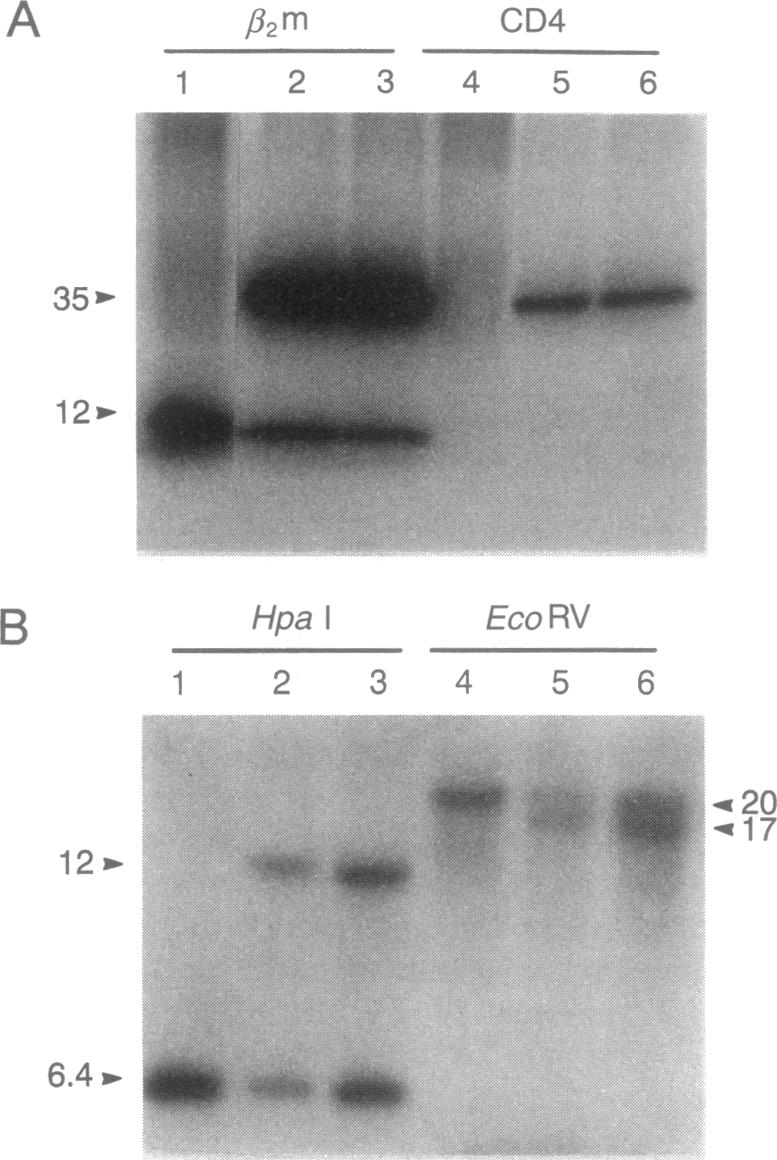
Gene targeting is a technique by which a preselected site in the genome of a living cell can be modified by inserting, deleting, or exchanging DNA sequences. The application of this technology to cells with a limited life-span, such as nontransformed human somatic cells, requires the development of simplified and efficient procedures to allow the isolation of correctly modified cells from the much larger pool of random integrants. The current study describes the development of a widely applicable strategy for detecting homologous recombinants in human cells by using an ELISA-based screen. When this system is used accurately targeted clones can be detected with high efficiency as soon as 14 days following transfection. Data are presented demonstrating the utility of this detection system in isolating targeted recombinants at the beta 2-microglobulin locus in both human retinal pigmented epithelial cells and human keratinocytes.
基因打靶是一种技术,通过该技术可以通过插入、删除或交换DNA序列来修饰活细胞基因组中的预选位点。将这项技术应用于寿命有限的细胞,如未转化的人类体细胞,需要开发简化且高效的程序,以便从数量大得多的随机整合体中分离出正确修饰的细胞。当前的研究描述了一种广泛适用的策略,即通过基于酶联免疫吸附测定(ELISA)的筛选来检测人类细胞中的同源重组体。当准确使用该系统时,转染后14天即可高效检测到准确靶向的克隆。所提供的数据证明了该检测系统在分离人类视网膜色素上皮细胞和人类角质形成细胞中β2-微球蛋白基因座的靶向重组体方面的效用。