Ramakrishnan L, Falkow S
Department of Microbiology and Immunology, Stanford University School of Medicine, California 94305-5402.
Infect Immun. 1994 Aug;62(8):3222-9. doi: 10.1128/iai.62.8.3222-3229.1994.
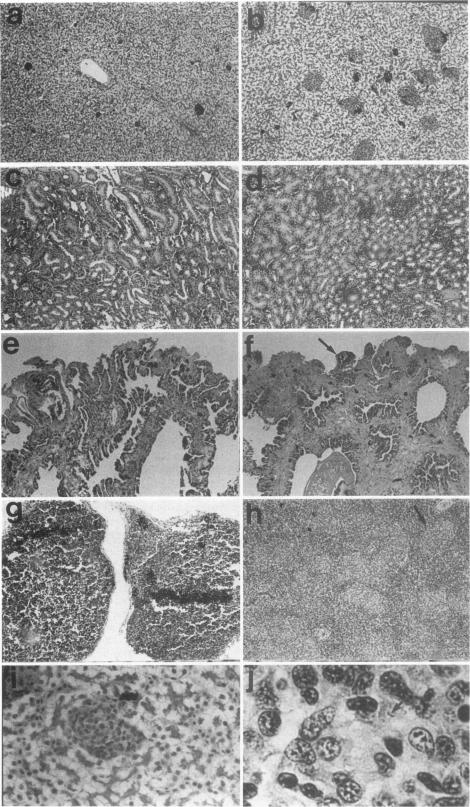
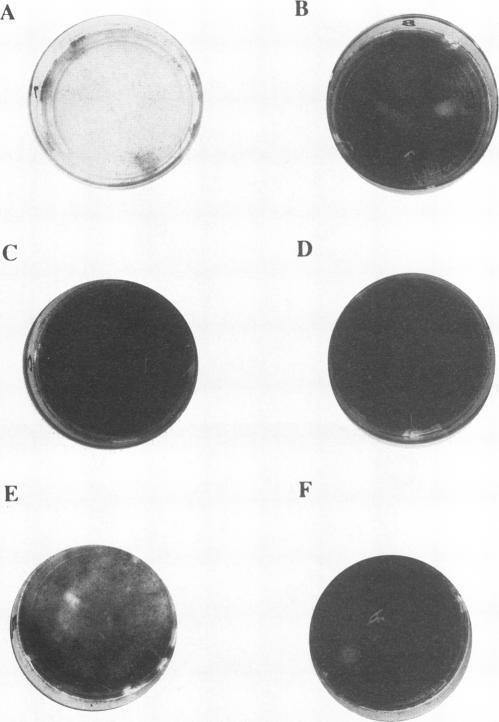
We have explored the relatively rapidly growing animal and human pathogen Mycobacterium marinum as an experimental model for mycobacterial pathogenesis. M. marinum, which has a lower temperature for optimal growth than does Mycobacterium tuberculosis, has a much shorter generation time and can be safely studied in ordinary laboratory facilities and examined in multiple animal infection models. We have established an in vitro assay for its interaction with eukaryotic cells and shown that it persists in these cells in a temperature-specific fashion that correlates with its ability to cause disease in vivo at lower temperatures. Additionally, preliminary evidence that M. marinum causes a chronic disease with some features resembling tuberculosis in frogs of the species Rana pipiens is presented.
我们已将生长相对迅速的动物和人类病原体海分枝杆菌作为分枝杆菌致病机制的实验模型进行了研究。海分枝杆菌的最佳生长温度低于结核分枝杆菌,其代时短得多,可在普通实验室设施中安全研究,并可在多种动物感染模型中进行检测。我们建立了一种体外检测方法来研究其与真核细胞的相互作用,并表明它以温度特异性方式在这些细胞中持续存在,这与其在较低温度下在体内致病的能力相关。此外,还提供了初步证据表明海分枝杆菌会在豹蛙中引发一种具有某些类似结核病特征的慢性疾病。