Ricketts R R, Hatley R M, Corden B J, Sabio H, Howell C G
Department of Surgery, Emory University School of Medicine, Atlanta, Georgia.
Ann Surg. 1994 Jun;219(6):605-12; discussion 612-4. doi: 10.1097/00000658-199406000-00003.
The authors describe the use of interferon-alpha-2a (IFN-alpha-2a) in the treatment of complex hemangiomas and review the role of interferon (IFN) in this example of an angiogenic disease.
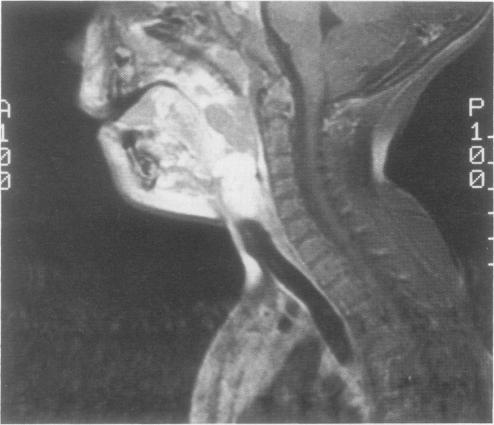
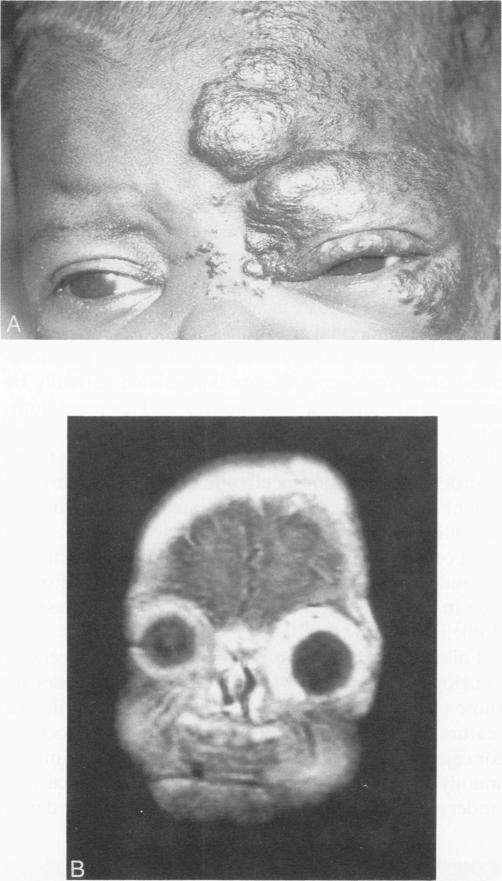
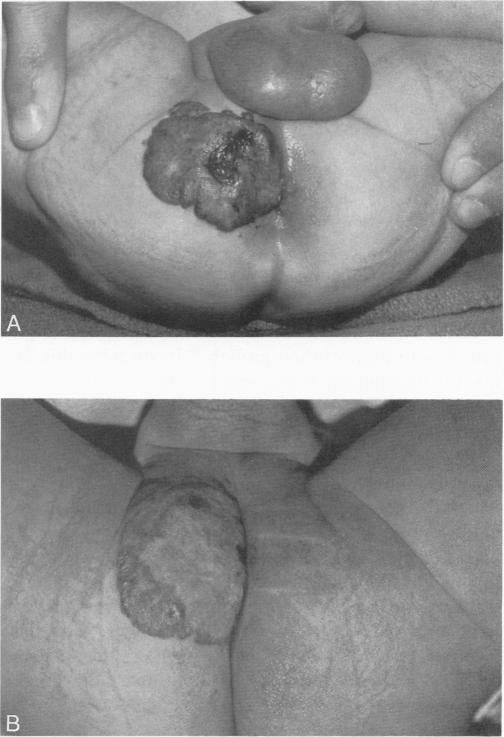
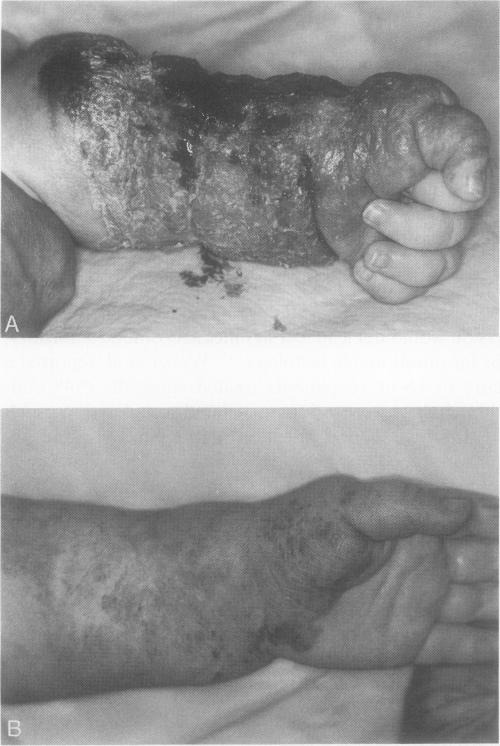
Hemangiomas are the most frequent tumors of infants and children. They grow rapidly for 6 to 8 months and then resolve over a period of years. Approximately 5% produce life-, sight-, or limb-threatening complications, with mortality rates between 20% and 50%. Aggressive therapy with steroids, arterial ligation or embolization, or surgery has been used in these situations with variable results and high morbidity. Recently, IFN-alpha was found to be effective treatment in these complex hemangiomas.
Four infants and one child were treated with IFN-alpha-2a at an initial subcutaneous dose of 1 million units/m2/day and a sustained dose of 3 million units/m2/day for 5 to 11 months. Appropriate laboratory values were monitored and adverse reactions and ultimate response to therapy were recorded.
Two patients experienced minor complications that were managed easily. Three patients had total or near-total regression of the hemangioma, one had partial (50%) regression, and one had stabilization but no regression after an average of 7.1 months of IFN therapy.
Interferon-alpha inhibits angiogenesis and endothelial cell migration and proliferation in vitro. The patients in this study add to the growing number who have benefited from IFN therapy. As such, IFN-alpha should be considered as a first-line agent in treating complex hemangiomas of infants and children.
作者描述了α-2a干扰素(IFN-α-2a)在治疗复杂性血管瘤中的应用,并回顾了干扰素(IFN)在这种血管生成性疾病中的作用。
血管瘤是婴幼儿最常见的肿瘤。它们在6至8个月内迅速生长,然后在数年时间内消退。约5%的血管瘤会产生危及生命、视力或肢体的并发症,死亡率在20%至50%之间。在这些情况下,已采用类固醇、动脉结扎或栓塞或手术等积极治疗方法,但其效果不一且发病率高。最近发现,IFN-α是治疗这些复杂性血管瘤的有效方法。
对4名婴儿和1名儿童使用IFN-α-2a进行治疗,初始皮下剂量为100万单位/m²/天,维持剂量为300万单位/m²/天,持续5至11个月。监测适当的实验室指标,并记录不良反应及最终治疗反应。
2例患者出现轻微并发症,易于处理。3例患者的血管瘤完全或几乎完全消退,1例部分(50%)消退,1例在平均接受7.1个月的IFN治疗后病情稳定但未消退。
α-干扰素在体外可抑制血管生成以及内皮细胞的迁移和增殖。本研究中的患者加入了越来越多从IFN治疗中获益的人群。因此,IFN-α应被视为治疗婴幼儿复杂性血管瘤的一线药物。