Sørensen A B, Duch M, Jørgensen P, Pedersen F S
Department of Molecular Biology, University of Aarhus, Denmark.
J Virol. 1993 Dec;67(12):7118-24. doi: 10.1128/JVI.67.12.7118-7124.1993.
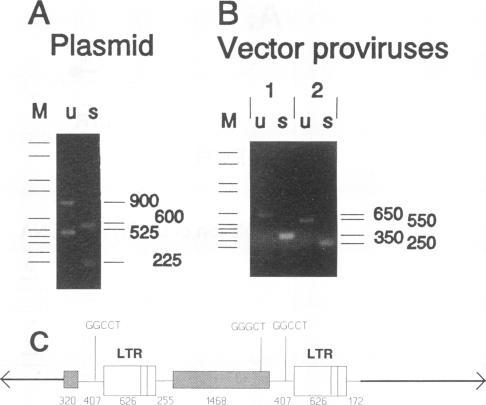
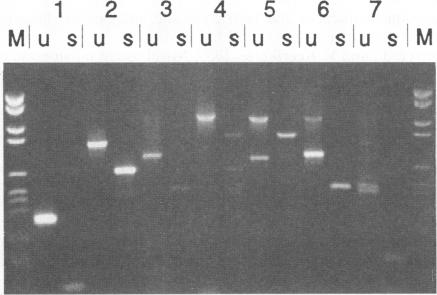
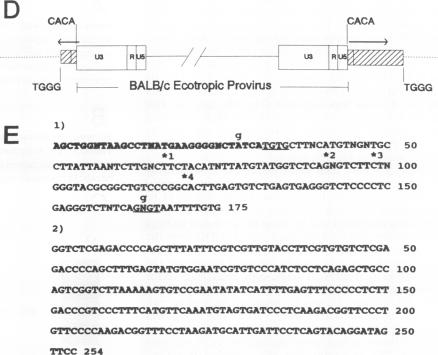
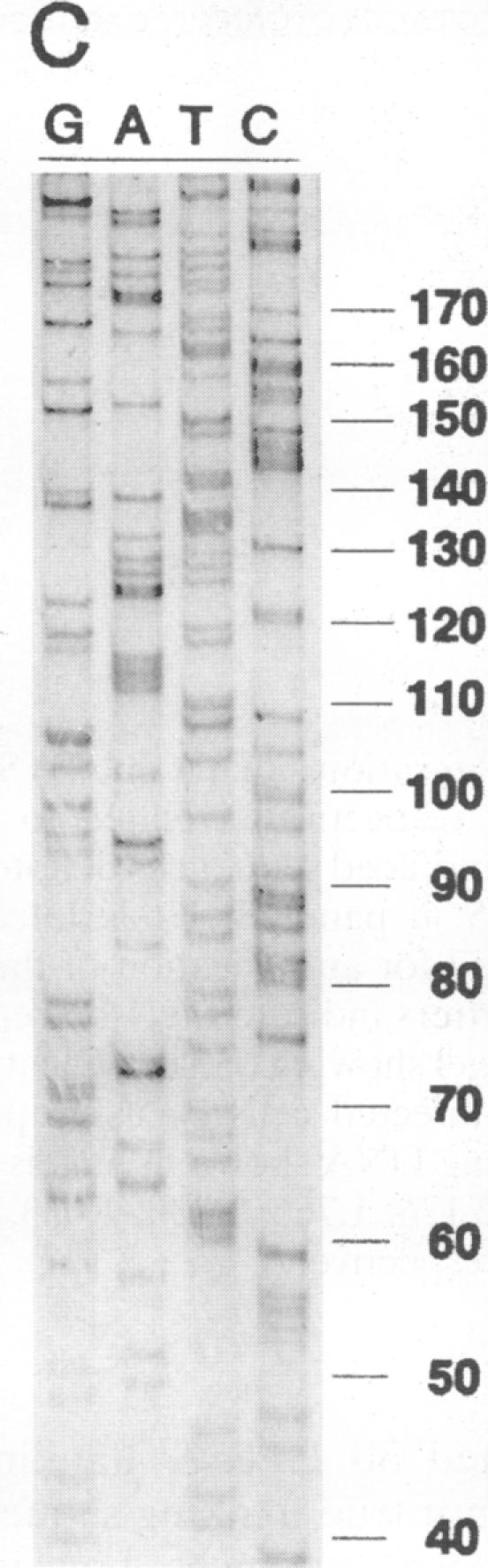
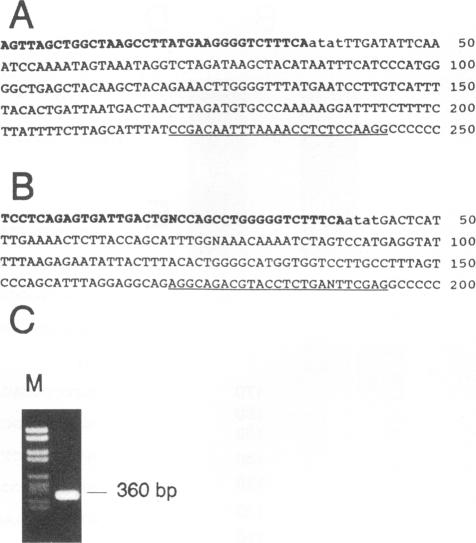
We describe a two-step polymerase chain reaction method that can be used for the amplification of cellular DNA sequences adjacent to an integrated retroviral provirus. The technique involves a partly degenerate, arbitrary primer that will hybridize in the provirus-flanking cellular DNA. By using this primer in combination with a biotinylated provirus-specific primer, a provirus-cellular DNA junction fragment can be isolated from the nonspecific amplification products by using streptavidin-coated magnetic beads. A second amplification employing a nested provirus-specific primer and a biotinylated nondegenerate primer derived from the partly degenerate primer followed by purification with streptavidin-coated beads enhances the specificity and the efficiency of recovery of a fragment(s) containing the unknown flanking sequences. In addition to being relevant in studies of viral integration sites, the method should be generally useful to analyze DNA sequences either upstream or downstream from a known sequence.
我们描述了一种两步聚合酶链反应方法,该方法可用于扩增与整合的逆转录病毒前病毒相邻的细胞DNA序列。该技术涉及一个部分简并的任意引物,它将与前病毒侧翼的细胞DNA杂交。通过将该引物与生物素化的前病毒特异性引物结合使用,可以利用链霉亲和素包被的磁珠从非特异性扩增产物中分离出前病毒-细胞DNA连接片段。第二次扩增采用巢式前病毒特异性引物和源自部分简并引物的生物素化非简并引物,随后用链霉亲和素包被的磁珠纯化,可提高包含未知侧翼序列的片段的回收特异性和效率。除了在病毒整合位点研究中具有相关性外,该方法通常还可用于分析已知序列上游或下游的DNA序列。