Asturias J A, Timmis K N
Department of Microbiology, National Research Center for Biotechnology, Braunschweig, Germany.
J Bacteriol. 1993 Aug;175(15):4631-40. doi: 10.1128/jb.175.15.4631-4640.1993.
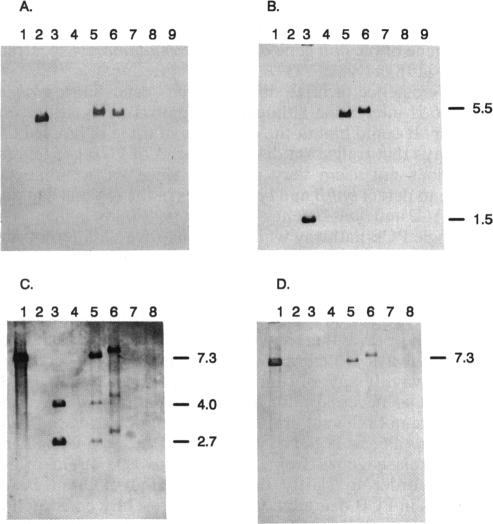
Rhodococcus globerulus P6 (previously designated Acinetobacter sp. strain P6, Arthrobacter sp. strain M5, and Corynebacterium sp. strain MB1) is able to degrade a wide range of polychlorinated biphenyl (PCB) congeners. The genetic and biochemical analyses of the PCB catabolic pathway reported here have revealed the existence of a PCB gene cluster--bphBC1D--and two further bphC genes--bphC2 and bphC3--that encode three narrow-substrate-specificity enzymes (2,3-dihydroxybiphenyl dioxygenases) that meta cleave the first aromatic ring. None of the bphC genes show by hybridization homology to each other or to bphC genes in other bacteria, and the three bphC gene products have different kinetic parameters and sensitivities to inactivation by 3-chlorocatechol. This suggests that there exists a wide diversity in PCB meta cleavage enzymes.
球形红球菌P6(以前称为不动杆菌属菌株P6、节杆菌属菌株M5和棒状杆菌属菌株MB1)能够降解多种多氯联苯(PCB)同系物。本文报道的PCB分解代谢途径的遗传和生化分析揭示了存在一个PCB基因簇——bphBC1D——以及另外两个bphC基因——bphC2和bphC3——它们编码三种底物特异性狭窄的酶(2,3-二羟基联苯双加氧酶),这些酶间位裂解第一个芳香环。通过杂交,没有一个bphC基因彼此之间或与其他细菌中的bphC基因显示同源性,并且这三种bphC基因产物具有不同的动力学参数和对3-氯儿茶酚失活的敏感性。这表明在PCB间位裂解酶中存在广泛的多样性。