
通过人乳头瘤病毒16型E6和E7基因的表达实现细胞的转移性转化。
Metastatic conversion of cells by expression of human papillomavirus type 16 E6 and E7 genes.
作者信息
Chen L, Ashe S, Singhal M C, Galloway D A, Hellström I, Hellström K E
机构信息
Bristol-Myers Squibb Pharmaceutical Research Institute, Seattle, WA 98121.
出版信息
Proc Natl Acad Sci U S A. 1993 Jul 15;90(14):6523-7. doi: 10.1073/pnas.90.14.6523.
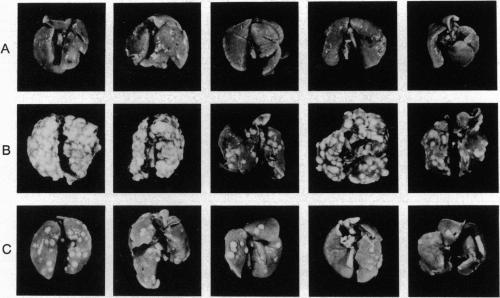
The human papillomavirus type 16 (HPV-16) is a DNA tumor virus highly associated with cervical carcinoma. Viral DNA from HPV-16 is found in primary tumors and their metastatic lesions. To investigate the role of HPV-16 oncoproteins in the development of cancer metastasis, the E6 and E7 genes from HPV-16 were inserted into retrovirus and introduced into nonmetastatic mouse cell lines. Expression of either of the viral genes from HPV-16 made the cells metastatic in nude mice. In contrast, expression of the E6 and E7 genes of HPV type 6 (HPV-6b), which is frequently found in nonmalignant HPV-associated diseases, did not. The metastatic ability of cells transduced with viral genes of HPV-16 did not correlate with their growth rate or sensitivity to destruction by natural killer cells. Our results demonstrate that expression of oncogenic proteins of HPV-16 can cause tumor metastasis and implicate HPV-16 in an important role regarding the progression of HPV-associated human cancers.
人乳头瘤病毒16型(HPV - 16)是一种与宫颈癌高度相关的DNA肿瘤病毒。在原发性肿瘤及其转移病灶中可发现来自HPV - 16的病毒DNA。为了研究HPV - 16癌蛋白在癌症转移发生过程中的作用,将来自HPV - 16的E6和E7基因插入逆转录病毒,并导入非转移性小鼠细胞系。来自HPV - 16的任一病毒基因的表达都使细胞在裸鼠中具有转移性。相比之下,在非恶性HPV相关疾病中常见的人乳头瘤病毒6型(HPV - 6b)的E6和E7基因的表达则不会。用HPV - 16病毒基因转导的细胞的转移能力与其生长速率或对自然杀伤细胞破坏的敏感性无关。我们的结果表明,HPV - 16致癌蛋白的表达可导致肿瘤转移,并表明HPV - 16在HPV相关人类癌症的进展中起重要作用。


 Zotero 插件