Sotiropoulos C, Smith S C, Coloe P J
Department of Applied Biology and Biotechnology, Royal Melbourne Institute of Technology, Australia.
J Clin Microbiol. 1993 Jul;31(7):1746-52. doi: 10.1128/jcm.31.7.1746-1752.1993.
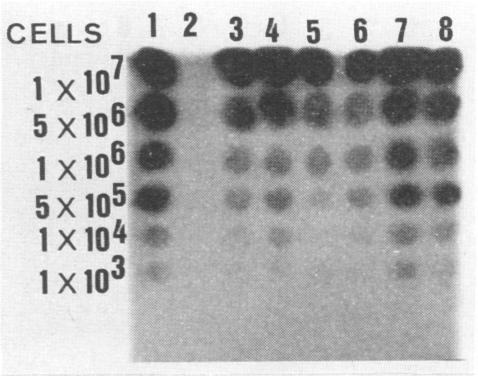
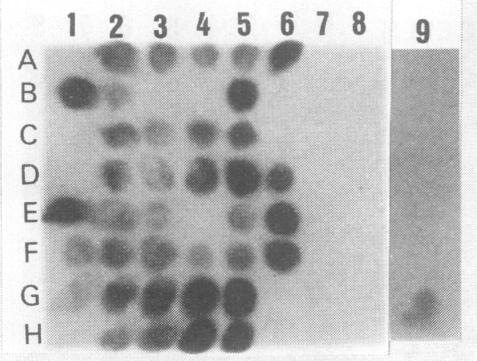
Two DNA probes, one 1.1- and one 0.75-kb probe, specific for Serpulina hyodysenteriae were isolated from a genomic library generated from virulent S. hyodysenteriae 5380. These probes are highly specific and react with all S. hyodysenteriae strains tested. Under stringent conditions, the DNA probes did not react with the nonpathogenic species Serpulina innocens or with other species of enteric bacteria, including Escherichia coli. Both probes are able to detect S. hyodysenteriae in colony blot hybridizations, and when applied to fecal specimens, they can detect 10(4) S. hyodysenteriae cells in 0.1 g of seeded fecal matter. Both probes can detect S. hyodysenteriae in fecal specimens from swine with clinical signs of swine dysentery after experimental challenge and from swine from a herd with an acute outbreak of swine dysentery. These probes have application as a diagnostic tool in veterinary microbiology.
从强毒猪痢疾蛇形螺旋体5380构建的基因组文库中分离出两种DNA探针,一种1.1 kb,另一种0.75 kb,它们对猪痢疾蛇形螺旋体具有特异性。这些探针具有高度特异性,能与所有测试的猪痢疾蛇形螺旋体菌株发生反应。在严格条件下,DNA探针不与非致病性的无害蛇形螺旋体或其他肠道细菌物种(包括大肠杆菌)发生反应。两种探针都能在菌落杂交中检测到猪痢疾蛇形螺旋体,应用于粪便样本时,它们能在0.1 g接种粪便中检测到10⁴个猪痢疾蛇形螺旋体细胞。两种探针都能在实验攻毒后出现猪痢疾临床症状的猪的粪便样本以及急性爆发猪痢疾的猪群的猪的粪便样本中检测到猪痢疾蛇形螺旋体。这些探针可作为兽医微生物学中的诊断工具。