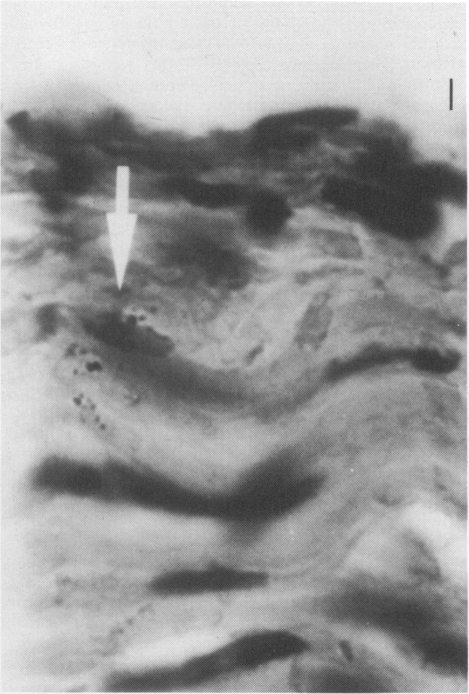
The effect of oestradiol 17 beta on vascular smooth muscle proliferation was examined in segments of the pig left anterior descending coronary artery (LAD). It was established by cytochemical techniques that out-growth from the segments was composed of vascular smooth muscle cells. 2. [3H]-thymidine uptake by pig LAD segments was used as an index of vascular smooth muscle cell proliferation. Nitroprusside and forskolin significantly inhibited [3H]-thymidine uptake and were used as positive controls. 3. Oestradiol 17 beta (180-360 nM) inhibited thymidine uptake by pig LAD segments (P < 0.05). The inhibition was observed only in the absence of phenol red, which is a weak oestrogen receptor agonist. The anti-oestrogens tamoxifen and its more potent metabolite 4-hydroxytamoxifen, both of which are partial oestrogen receptor agonists, also significantly inhibited thymidine uptake. However, pretreatment with either tamoxifen or 4-hydroxytamoxifen did not significantly block oestradiol 17 beta-induced inhibition of thymidine uptake. 4. The LAD segments bound [3H]-oestradiol 17 beta in a time-dependent manner and about 20 to 30% was displaced by an excess of unlabelled oestradiol 17 beta. Autoradiography showed [3H]-oestradiol 17 beta was evenly distributed in the cytosol and nuclei of cells in the three layers of the vessel wall. 5. The data suggest that oestradiol 17 beta inhibits smooth muscle cell proliferation in porcine LAD segments, possibly through an oestrogen receptor mechanism. This in vitro effect suggests an in vivo role for oestradiol 17 beta in directly protecting coronary arteries against myointimal proliferation in premenopausal women.