
Hns对大肠杆菌中酸诱导的氨基酸脱羧酶基因表达的调控
Modulation of acid-induced amino acid decarboxylase gene expression by hns in Escherichia coli.
作者信息
Shi X, Waasdorp B C, Bennett G N
机构信息
Department of Biochemistry and Cell Biology, Rice University, Houston, Texas 77251.
出版信息
J Bacteriol. 1993 Feb;175(4):1182-6. doi: 10.1128/jb.175.4.1182-1186.1993.
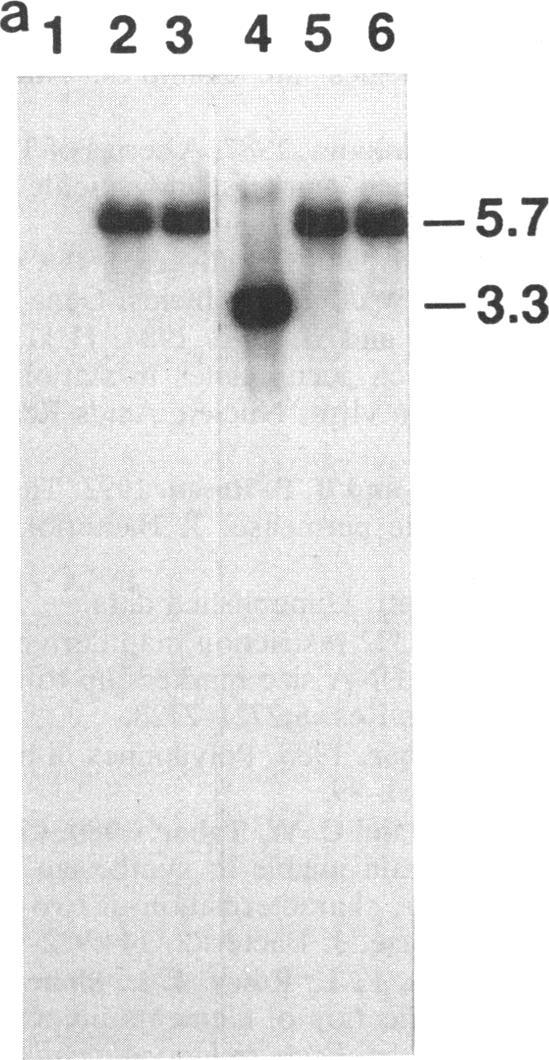
Biodegradative arginine decarboxylase and lysine decarboxylase, encoded by adi and cadA, respectively, are induced to maximal levels when Escherichia coli is grown anaerobically in rich medium at acidic pH. Mutants formed by transposon mutagenesis, namely, GNB725, GNB729, GNB88, GNB824, and GNB837, exhibited considerably elevated expression at pH 8.0 compared with the corresponding parental strain. Southern hybridization and chromosome mapping showed that the above mutants contained a transposon within the hns gene. Several plasmids from an E. coli library able to complement these mutants by restoring normal pH induction were independently isolated and were found to contain the hns gene. These results suggest a role for the DNA-binding protein H-NS in affecting the activation of these acid-induced genes.
分别由adi和cadA编码的生物降解性精氨酸脱羧酶和赖氨酸脱羧酶,在大肠杆菌于酸性pH值的丰富培养基中厌氧生长时被诱导至最高水平。通过转座子诱变形成的突变体,即GNB725、GNB729、GNB88、GNB824和GNB837,与相应的亲本菌株相比,在pH 8.0时表现出显著升高的表达。Southern杂交和染色体图谱分析表明,上述突变体在hns基因内含有一个转座子。从大肠杆菌文库中独立分离出几个能够通过恢复正常pH诱导来互补这些突变体的质粒,发现它们含有hns基因。这些结果表明DNA结合蛋白H-NS在影响这些酸诱导基因的激活中起作用。

 Zotero 插件