Griffin J P, Griffin T D
Association of the British Pharmaceutical Industry, London.
J R Coll Physicians Lond. 1993 Apr;27(2):121-6.
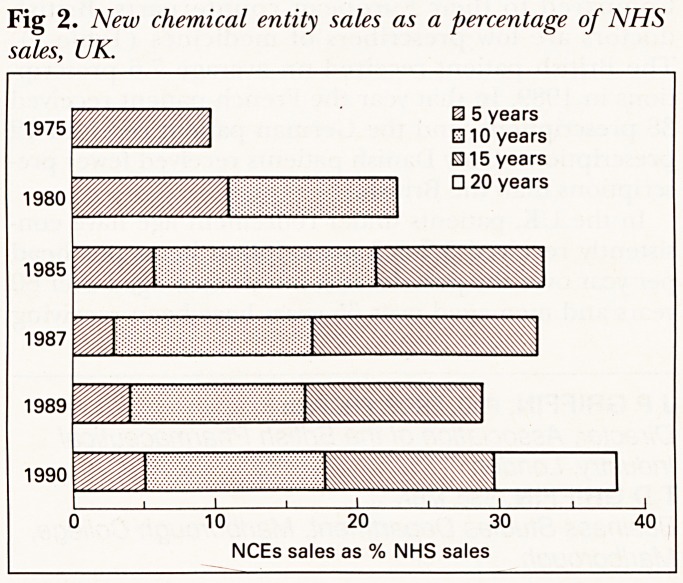
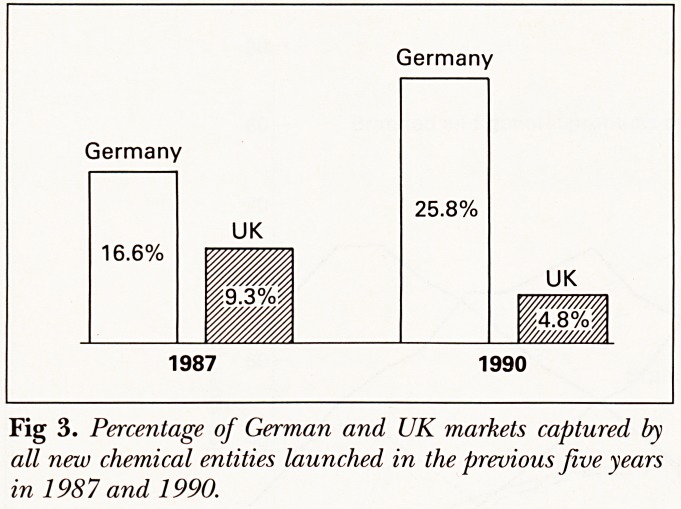
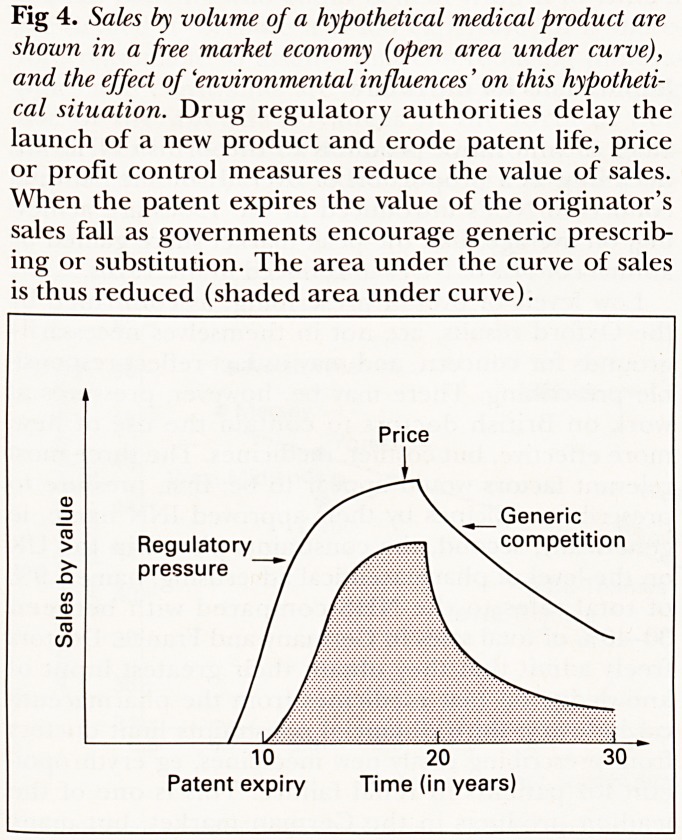
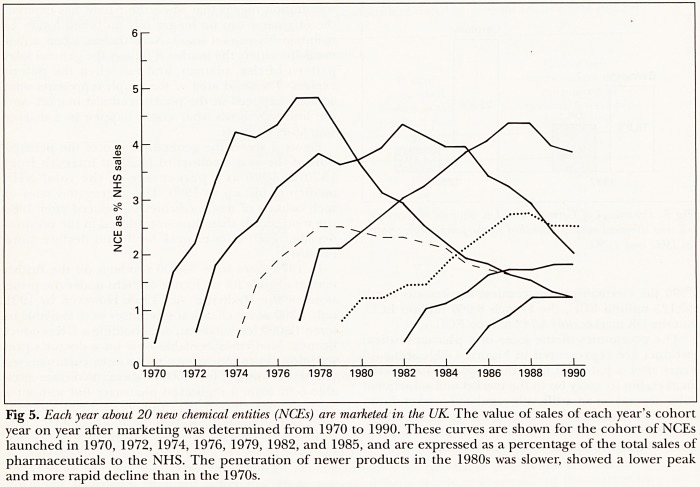
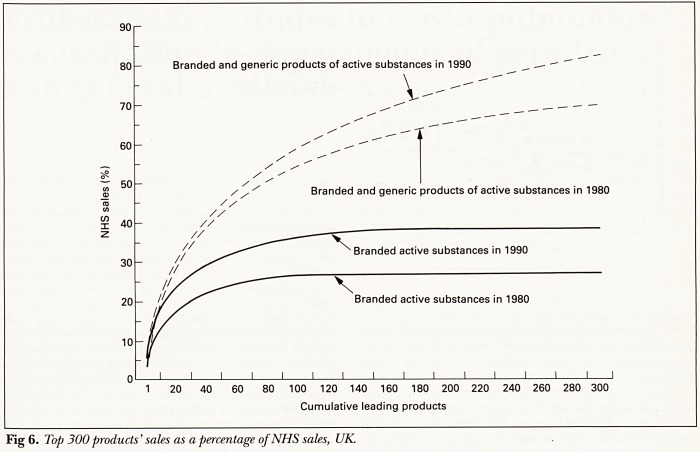
We review the pattern of prescribing medicines in the United Kingdom (UK) and compare it with that in other European markets. The prescribing of medicines in Britain has always been more conservative than in other major European markets such as France, Italy, Germany, and Spain, but the difference is becoming more marked. The conservative nature of the British prescription medicine market is indicated by three international comparisons. First, British doctors prescribe fewer items per patient per year than their counterparts in other European countries. Second, they are less likely to prescribe a product containing a new active chemical entity (NCE) than their counterparts in other countries. This resistance to the use of newer medicines has increased over the past decade. Third, British doctors rely on a progressively smaller number of active substances for a greater proportion of their prescriptions. As a result of these trends the pharmaceutical industry--at least as far as its British sales are concerned--is becoming more dependent on the sales of older products and on the occasional 'blockbuster' to finance its research. Declining uptake of new medicines, coupled with increasing pressure on doctors to prescribe cheaper generics instead of branded medicines, reduces the ability of pharmaceutical companies to fund their investment in research into as yet unconquered diseases. This trend could work against the interests of both patients and the British economy.
我们回顾了英国的药品处方模式,并将其与其他欧洲市场的模式进行比较。英国的药品处方一直比法国、意大利、德国和西班牙等其他主要欧洲市场更为保守,而且这种差异正变得愈发明显。英国处方药市场的保守性质体现在三项国际比较中。首先,英国医生每年为每位患者开具的药品数量少于其他欧洲国家的同行。其次,与其他国家的同行相比,他们开具含有新活性化学实体(NCE)产品的可能性较小。在过去十年中,这种对使用新药的抵触情绪有所增加。第三,英国医生在更大比例的处方中依赖的活性物质数量越来越少。由于这些趋势,制药行业——至少就其在英国的销售而言——越来越依赖旧产品的销售以及偶尔出现的“重磅炸弹”药物来为其研究提供资金。新药的采用率下降,再加上医生面临越来越大的压力,要求他们开具更便宜的仿制药而非品牌药,这降低了制药公司为尚未攻克的疾病研究提供资金的能力。这种趋势可能对患者和英国经济的利益都不利。