Chia Y W, Gill K P, Jameson J S, Forti A D, Henry M M, Swash M, Shorvon P J
Department of Surgery, Central Middlesex Hospital, London, UK.
J Neurol Neurosurg Psychiatry. 1996 Jan;60(1):31-5. doi: 10.1136/jnnp.60.1.31.
To study the disturbed anorectal physiology associated with constipation in multiple sclerosis.
Anorectal function in 10 patients with clinically definite multiple sclerosis and constipation has been compared with 10 normal persons and 11 patients with idiopathic constipation, without multiple sclerosis.
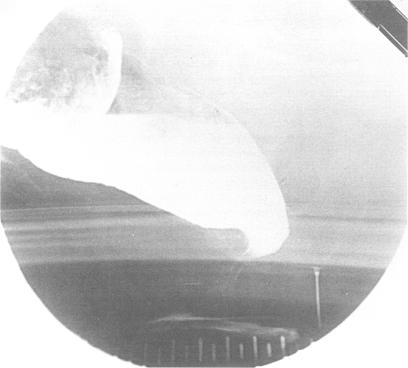
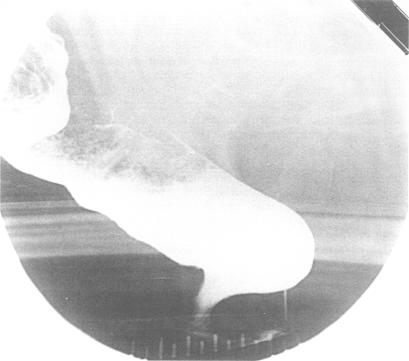
All 10 constipated patients with multiple sclerosis had difficulty evacuating barium paste during defaecography. In four of these there was complete failure of puborectalis relaxation when straining to defaecate, and in another four there was incomplete puborectalis relaxation. There was no evidence of lower motor neuron involvement of pelvic floor muscles in the multiple sclerosis group.
Paradoxical puborectalis contraction is common in patients with multiple sclerosis in whom constipation is a symptom. This may be a feature of the disturbed voluntary sphincter control mechanism, analogous to detrusor sphincter dyssnergia in the bladder.
研究多发性硬化症中与便秘相关的肛门直肠生理紊乱。
将10例临床确诊为多发性硬化症且伴有便秘的患者的肛门直肠功能与10名正常人和11例无多发性硬化症的特发性便秘患者进行了比较。
所有10例患有多发性硬化症的便秘患者在排粪造影时排出钡糊都有困难。其中4例在用力排便时耻骨直肠肌完全不能松弛,另外4例耻骨直肠肌松弛不完全。在多发性硬化症组中没有证据表明盆底肌肉存在下运动神经元受累情况。
矛盾性耻骨直肠肌收缩在以便秘为症状的多发性硬化症患者中很常见。这可能是自主括约肌控制机制紊乱的一个特征,类似于膀胱中的逼尿肌括约肌协同失调。