Kaludov N K, Bowman T L, Sikorski E M, Hurt M M
Department of Biological Science, Florida State University, Tallahassee 32306-3050, USA.
Proc Natl Acad Sci U S A. 1996 Apr 30;93(9):4465-70. doi: 10.1073/pnas.93.9.4465.
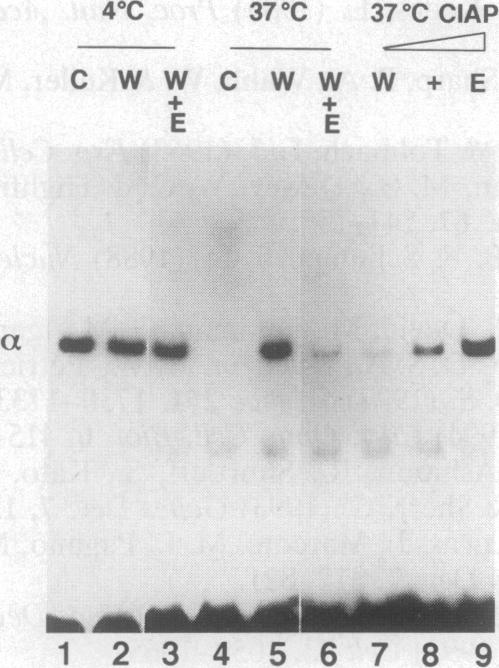
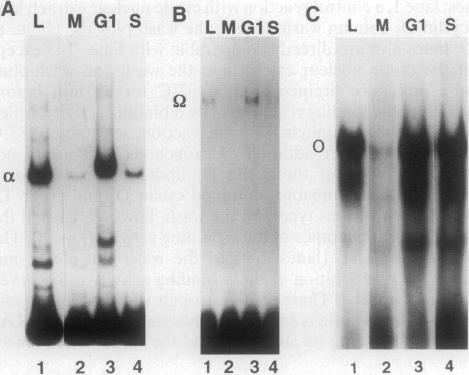
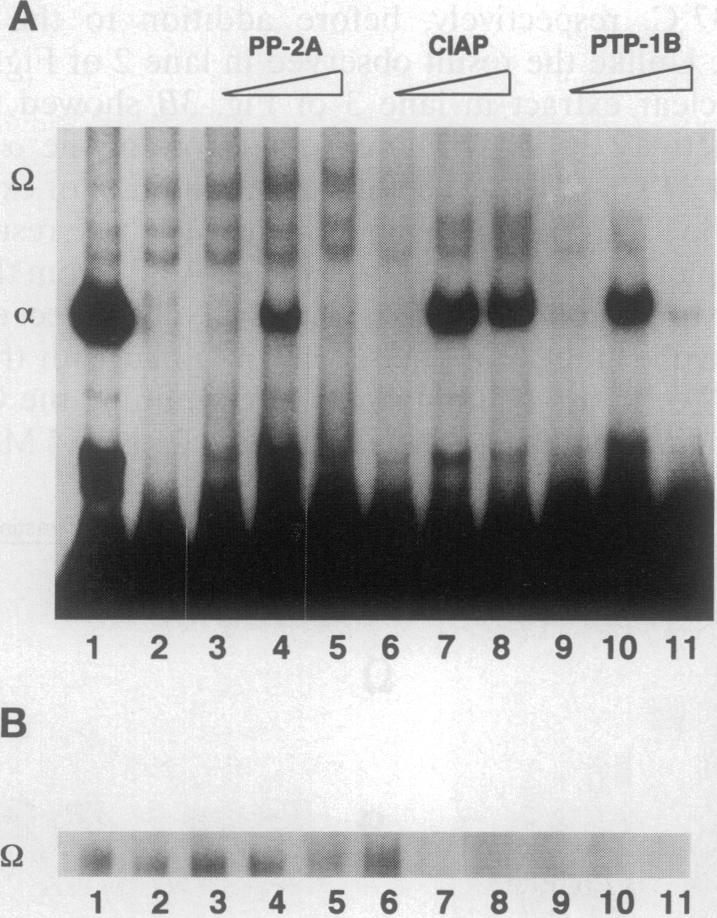
The histone gene family in mammals consists of 15-20 genes for each class of nucleosomal histone protein. These genes are classified as either replication-dependent or -independent in regard to their expression in the cell cycle. The expression of the replication-dependent histone genes increases dramatically as the cell prepares to enter S phase. Using mouse histone genes, we previously identified a coding region activating sequence (CRAS) involved in the upregulation of at least two (H2a and H3) and possibly all nucleosomal replication-dependent histone genes. Mutation of two seven-nucleotide elements, alpha and omega, within the H3 CRAS causes a decrease in expression in stably transfected Chinese hamster ovary cells comparable with the effect seen upon deletion of the entire CRAS. Further, nuclear proteins interact in a highly specific manner with nucleotides within these sequences. Mutation of these elements abolishes DNA/protein interactions in vitro. Here we report that the interactions of nuclear factors with these elements are differentially regulated in the cell cycle and that protein interactions with these elements are dependent on the phosphorylation/dephosphorylation state of the nuclear factors.
哺乳动物中的组蛋白基因家族,对于每一类核小体组蛋白而言,都由15 - 20个基因组成。就这些基因在细胞周期中的表达情况而言,它们被分类为复制依赖型或复制非依赖型。随着细胞准备进入S期,复制依赖型组蛋白基因的表达会急剧增加。利用小鼠组蛋白基因,我们之前鉴定出了一个编码区激活序列(CRAS),它参与至少两个(H2a和H3)以及可能所有核小体复制依赖型组蛋白基因的上调。H3 CRAS内两个七核苷酸元件α和ω的突变,会导致稳定转染的中国仓鼠卵巢细胞中的表达下降,这与删除整个CRAS时的效果相当。此外,核蛋白以高度特异性的方式与这些序列中的核苷酸相互作用。这些元件的突变会在体外消除DNA/蛋白质相互作用。在此我们报告,核因子与这些元件的相互作用在细胞周期中受到差异调节,并且蛋白质与这些元件的相互作用依赖于核因子的磷酸化/去磷酸化状态。