Nishihara K, Yagyu T, Sakata K, Nakashima K, Suzuki T
Department of Surgery II, Yamaguchi University School of Medicine, Japan.
Ann Surg. 1996 Apr;223(4):370-6. doi: 10.1097/00000658-199604000-00005.
The author's evaluated the clinical significance of the development of reversed portal flow after abdominal surgery other than portosystemic shunt procedure.
There have been several reports in regard to reversed portal flow demonstrated by pulsed Doppler ultrasonography, most of which were related to portal hypertension. To the authors' knowledge, this is the first report in which reversed portal flow also is present in patients who have undergone abdominal surgery other than portosystemic shunt procedure.
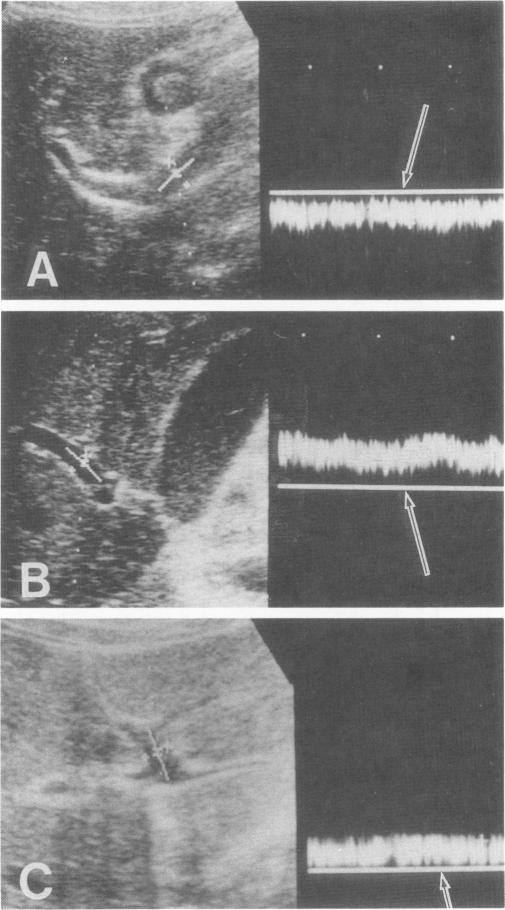
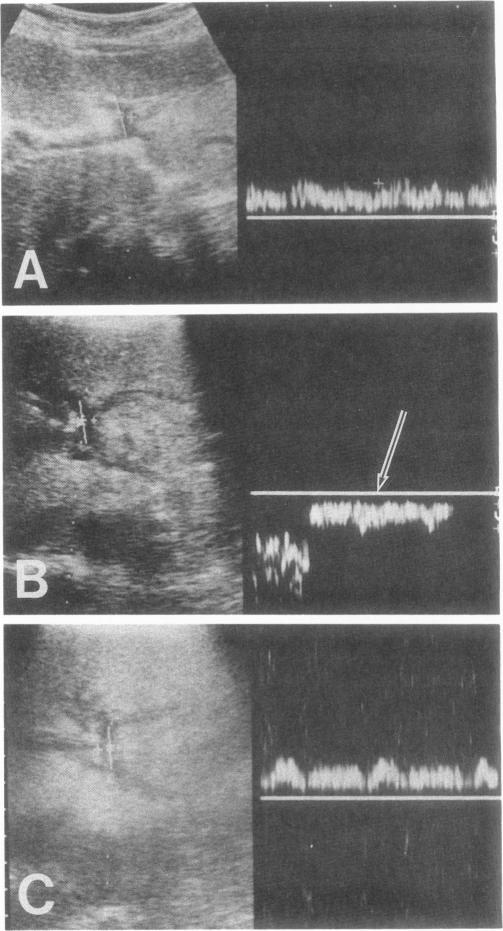
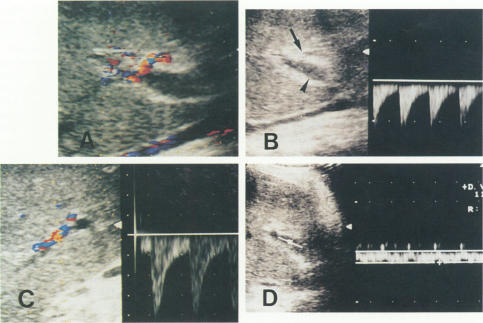
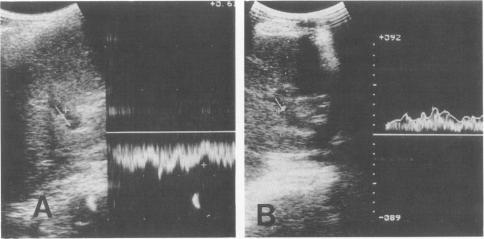
Preoperative and postoperative pulsed Doppler ultrasonographic examinations were performed in 126 patients who underwent abdominal surgery. Postoperatively, the portal flow direction was assessed in the right portal branch or the umbilical portion of the left portal branch.
Of the 126 patients, reversed portal flow developed in 10 after surgery; 9 of them died of liver failure.
The postoperative development of reversed portal flow is considered to have grave prognostic significance, indicating that the degree of postoperative liver damage is extremely critical.
作者评估了除门体分流手术外腹部手术后出现门静脉血流逆转的临床意义。
关于脉冲多普勒超声显示门静脉血流逆转已有多篇报道,其中大多数与门静脉高压有关。据作者所知,这是首篇报道除门体分流手术外腹部手术后患者也出现门静脉血流逆转的研究。
对126例行腹部手术的患者进行术前和术后脉冲多普勒超声检查。术后,评估右门静脉分支或左门静脉分支脐部的门静脉血流方向。
126例患者中,10例术后出现门静脉血流逆转;其中9例死于肝功能衰竭。
术后出现门静脉血流逆转被认为具有严重的预后意义,表明术后肝损伤程度极其严重。