Rincón M, Anguita J, Nakamura T, Fikrig E, Flavell R A
Section of Immunobiology, Yale University School of Medicine, New Haven, Connecticut 06520-8011, USA.
J Exp Med. 1997 Feb 3;185(3):461-9. doi: 10.1084/jem.185.3.461.
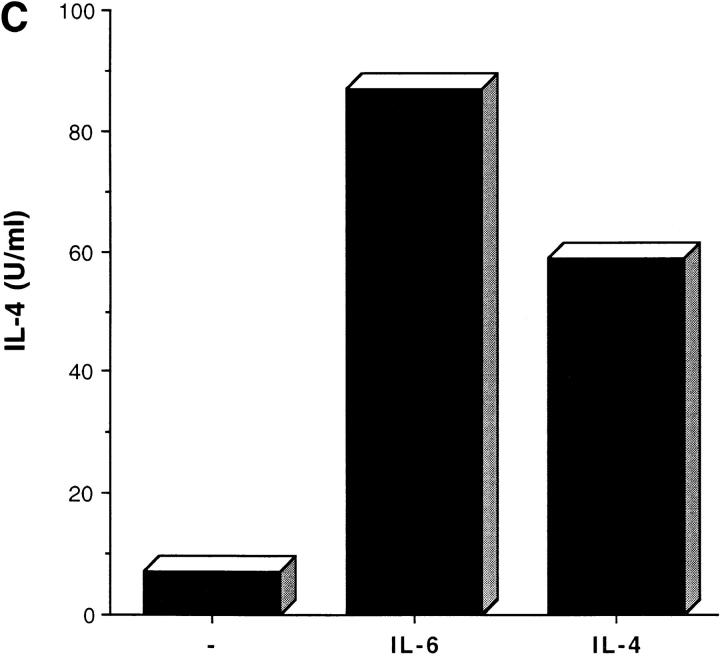
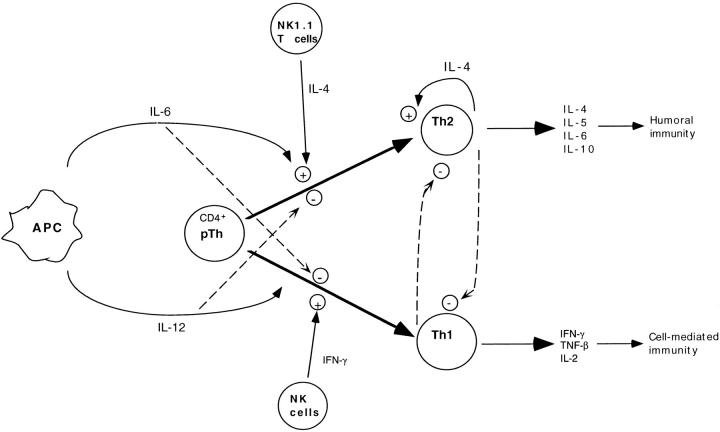
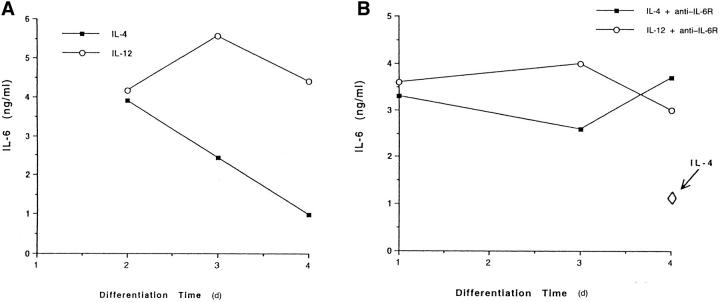
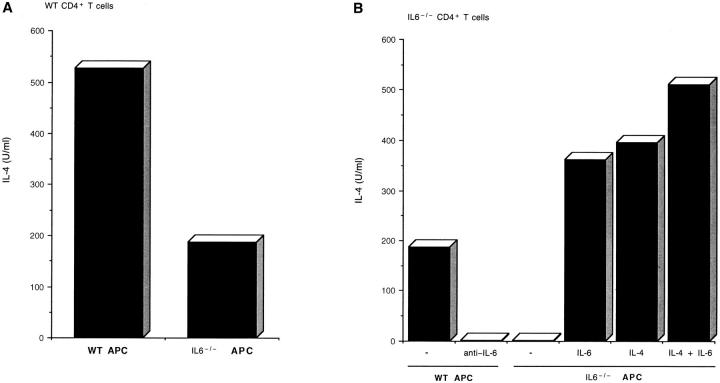
Interleukin (IL)-4 is the most potent factor that causes naive CD4+ T cells to differentiate to the T helper cell (Th) 2 phenotype, while IL-12 and interferon gamma trigger the differentiation of Th1 cells. However, the source of the initial polarizing IL-4 remains unclear. Here, we show that IL-6, probably secreted by antigen-presenting cells, is able to polarize naive CD4+ T cells to effector Th2 cells by inducing the initial production of IL-4 in CD4+ T cells. These results show that the nature of the cytokine (IL-12 or IL-6), which is produced by antigen-presenting cells in response to a particular pathogen, is a key factor in determining the nature of the immune response.
白细胞介素(IL)-4是促使初始CD4+ T细胞分化为辅助性T细胞(Th)2表型的最有效因子,而IL-12和干扰素γ则触发Th1细胞的分化。然而,初始极化IL-4的来源仍不清楚。在此,我们表明,可能由抗原呈递细胞分泌的IL-6能够通过诱导CD4+ T细胞中IL-4的初始产生,将初始CD4+ T细胞极化为效应Th2细胞。这些结果表明,抗原呈递细胞针对特定病原体产生的细胞因子(IL-12或IL-6)的性质是决定免疫反应性质的关键因素。