Grobler L J, Gaines R W, Kempff P G
Spine Diagnostic and Treatment Center, Department of Orthopaedic Surgery, University of Iowa Hospitals and Clinics, Iowa City 52242, USA.
Iowa Orthop J. 1997;17:20-31.
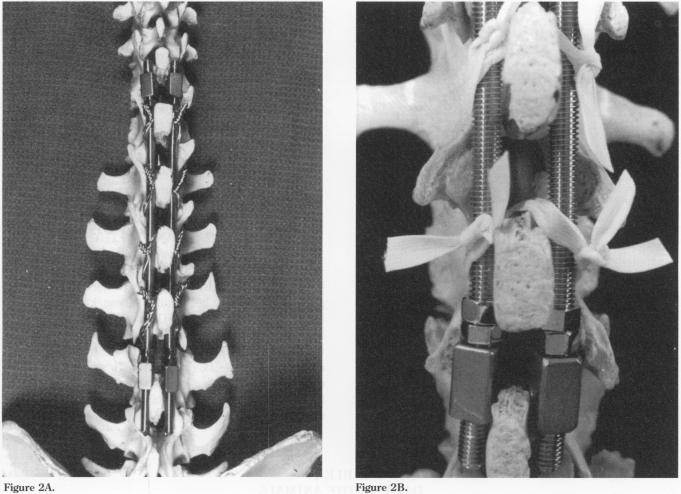
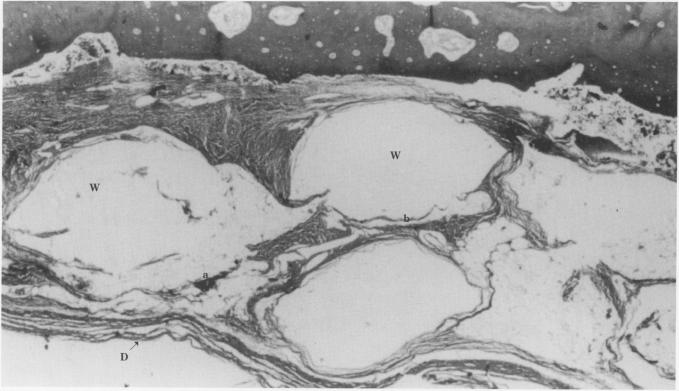
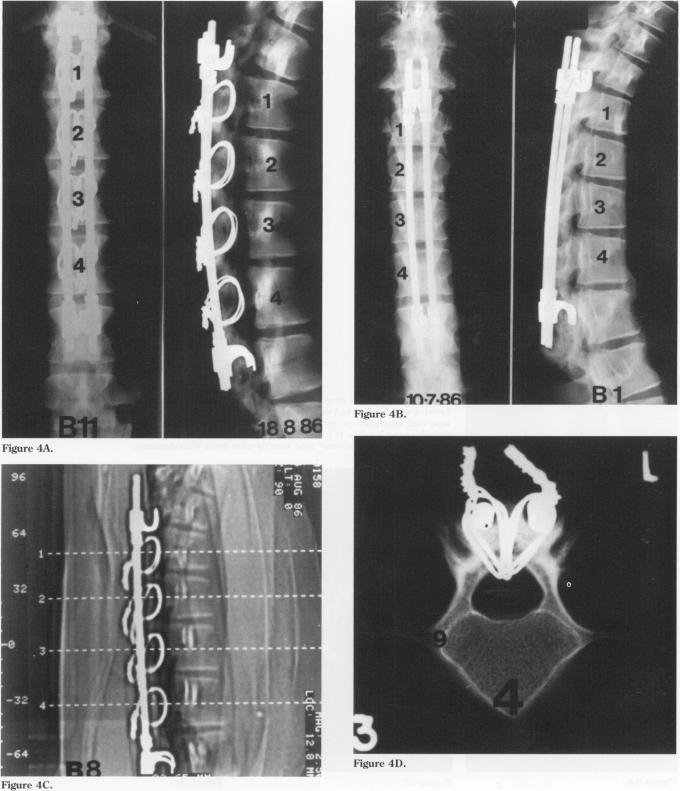
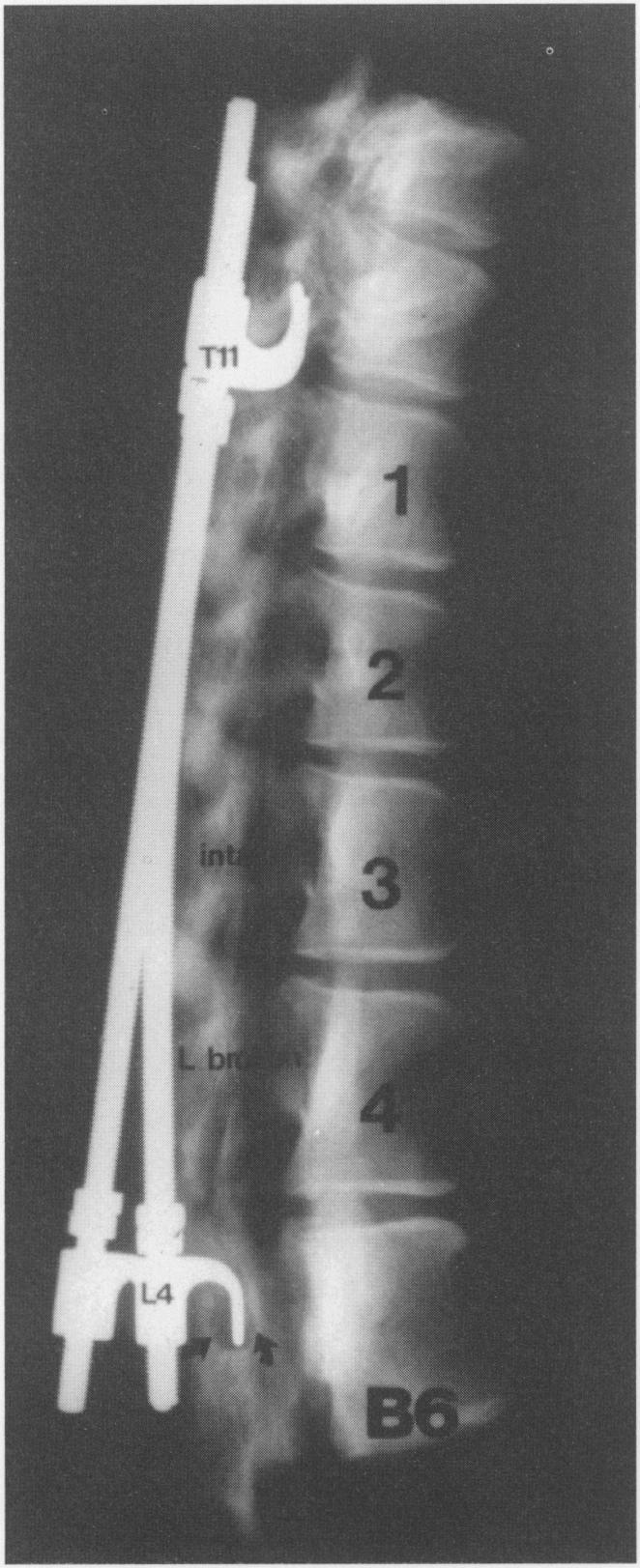
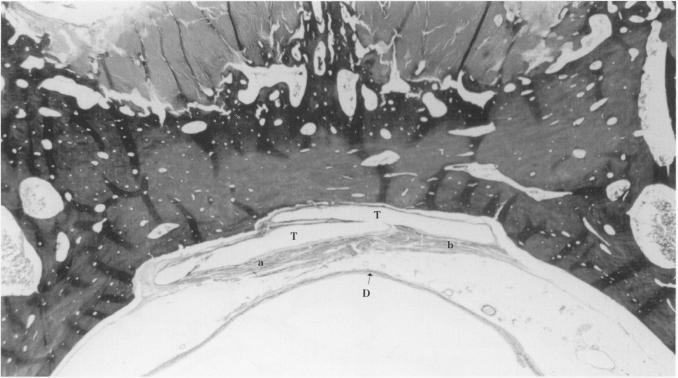
The development of segmental instrumentation has been a major advancement in the treatment of spinal problems, but the use of sublaminar stainless steel wire (SSW) has not been without untoward effects. This study reports a comparison of Mersilene* tape (MT) and stainless steel wire (SSW) used for sublaminar fixation in the Chagma baboon (Papio Ursinus). A similar comparative study has not been reported, although the local effects of sublaminar SSW in the spinal canal have previously been described. The adult Chagma baboon was selected as the experimental animal due to its partial upright posture and spinal anatomy, similar to that of the human. Six levels of the thoracolumbar spine were instrumented with custom designed Harrington hooks and regular one-quarter inch threaded rods used as a distraction system. The four intervening laminae were fixed to the rods using doubled-over, eighteen gauge sublaminar SSW in six cases and five millimeter MT in six cases. Computed axial tomography used to measure the AP diameter of the bony spinal canal revealed the AP space occupied by the SSW and MT to be 32 percent and 14.8 percent respectively. In the MT group, the overlying dura mater was found to be totally intact and revealed no signs of abnormal tissue response. A well-formed connective tissue membrane consisting of dense connective tissue surrounded the MT and was found to consist of more mature fibers than that found in the SSW group. The dura-implant interface was examined histologically and a distinct membrane was identified between the dura and the superficial aspect of the MT's, as well as intervening between the two MT's. Following removal of the MT, in contrast to the SSW, it was apparent that the underlying dura was not injured, most probably due to the soft consistency of the Mersilene* tape and the well-formed overlying membrane. On clinical grounds the fixation in both groups was adequate but the MT group formed a well-circumscribed membrane that made removal of the MT easier and potentially safer. The AP space occupied by the spinal implant was also found to be less with MT as opposed to SSW.
节段性内固定器械的发展是脊柱疾病治疗中的一项重大进步,但使用椎板下不锈钢丝(SSW)并非没有不良影响。本研究报告了在东非狒狒(山魈)中用于椎板下固定的Mersilene带(MT)和不锈钢丝(SSW)的比较情况。尽管之前已经描述了椎板下SSW在椎管内的局部影响,但尚未有类似的比较研究报道。选择成年东非狒狒作为实验动物是因为其部分直立姿势和脊柱解剖结构与人类相似。使用定制设计的哈灵顿钩和常规的四分之一英寸螺纹杆作为撑开系统,对胸腰椎的六个节段进行内固定。在六个病例中,使用双股18号椎板下SSW将四个中间椎板固定于杆上,在另外六个病例中则使用5毫米的MT。通过计算机轴向断层扫描测量骨性椎管的前后径,结果显示SSW和MT占据的前后间隙分别为32%和14.8%。在MT组中,发现覆盖其上的硬脑膜完全完整,未显示出异常组织反应的迹象。由致密结缔组织构成的结构良好的结缔组织膜围绕着MT,并且发现其纤维比SSW组的更成熟。对硬脑膜-植入物界面进行组织学检查,在硬脑膜与MT的表面之间以及两个MT之间发现了一层明显的膜。与SSW不同,去除MT后,很明显其下方的硬脑膜未受损伤,这很可能是由于Mersilene带质地柔软且其上覆盖有结构良好的膜。基于临床情况,两组的固定都足够,但MT组形成了一个界限清楚的膜,这使得MT的取出更容易且可能更安全。与SSW相比,还发现MT占据的脊柱植入物前后间隙更小。