Burgess R W, Deitcher D L, Schwarz T L
Department of Molecular and Cellular Physiology, Stanford University, Stanford, California 94305-5426, USA.
J Cell Biol. 1997 Aug 25;138(4):861-75. doi: 10.1083/jcb.138.4.861.
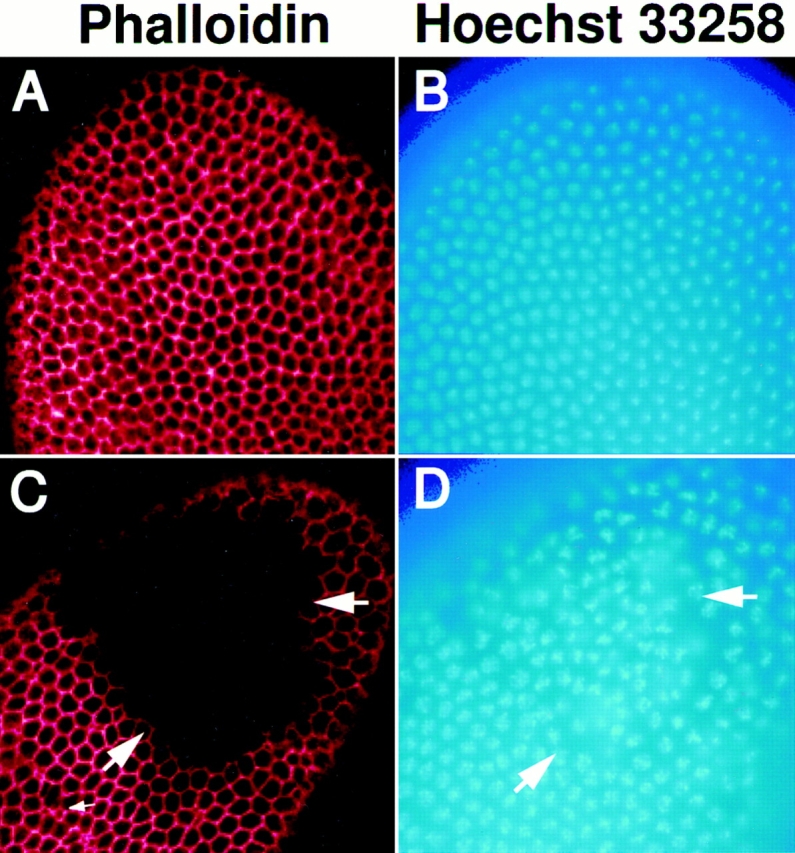
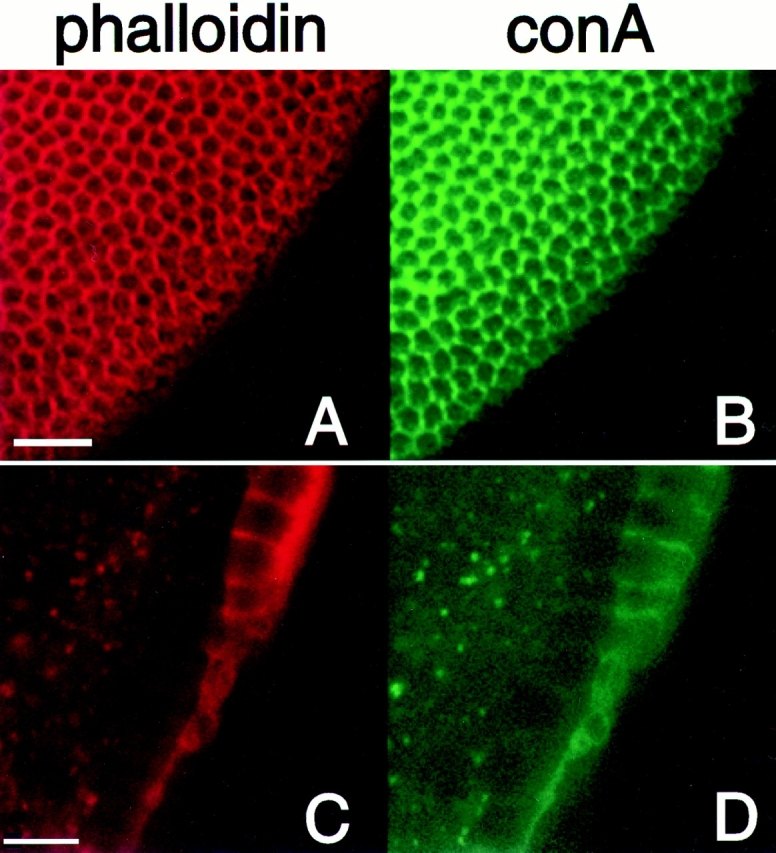
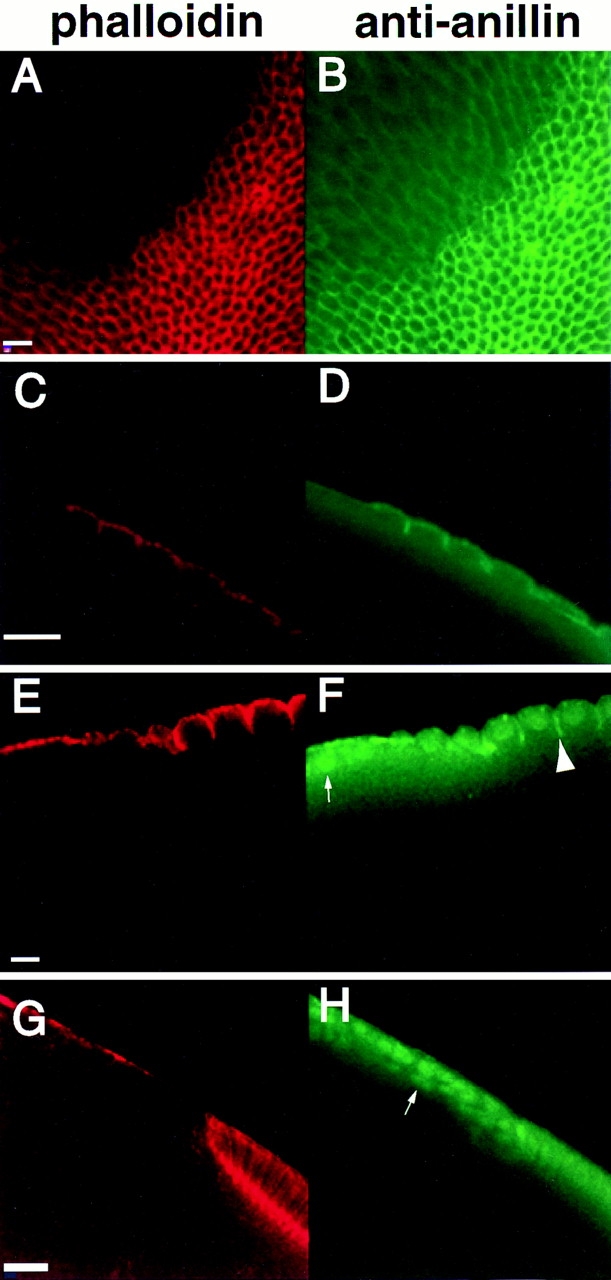
Syntaxins are membrane proteins involved in vesicle trafficking and are required for the release of neurotransmitter at nerve terminals. The presence of syntaxins on target membranes has been hypothesized to confer specificity to targeting and fusion via interactions with complementary vesicle-associated proteins, the synaptobrevins or VAMPS. We have mutagenized syntaxin1 in Drosophila and have found that it links the mechanism of synaptic transmission to a distinct cell biological process: the cellularization of early embryos. This specialized form of cell division separates the 6,000 nuclei of the syncytial blastoderm into separate cells through the invagination of the surface membrane of the embryo. During this process, syntaxin1 protein is present on the newly forming lateral cell surfaces and invaginating cleavage furrows. This protein is derived both from maternal deposition of mRNA and protein and from early zygotic transcription. To analyze syntaxin1's role in early development, female germ line mosaics mutant for syntaxin1 expression were generated by mitotic recombination to reduce the maternal contribution. Visualizing the actin cytoskeleton and glycosylated surface proteins reveals that embryos with insufficient syntaxin1 have large acellular patches. The patches do not appear until cellularization begins, and the process fails entirely within these regions. These results provide genetic evidence that membrane trafficking is required for the cellularization of the syncytial blastoderm. We propose that the invagination of the surface membrane proceeds by the fusion of intracellular membrane vesicles with the surface. This reaction uses the same syntaxin1 protein as is required for neurotransmitter secretion at synapses. Thus, a single syntaxin can participate in trafficking steps that are functionally as distinct as synaptic transmission and cell division.
Syntaxins是参与囊泡运输的膜蛋白,是神经末梢释放神经递质所必需的。据推测,靶膜上Syntaxins的存在通过与互补的囊泡相关蛋白(即突触小泡蛋白或VAMPs)相互作用,赋予靶向和融合特异性。我们对果蝇中的Syntaxin1进行了诱变,发现它将突触传递机制与一个独特的细胞生物学过程联系起来:早期胚胎的细胞化。这种特殊形式的细胞分裂通过胚胎表面膜的内陷,将合胞体胚盘的6000个细胞核分隔成独立的细胞。在此过程中,Syntaxin1蛋白存在于新形成的外侧细胞表面和内陷的分裂沟中。这种蛋白既来源于mRNA和蛋白质的母体沉积,也来源于早期合子转录。为了分析Syntaxin1在早期发育中的作用,通过有丝分裂重组产生了Syntaxin1表达缺失的雌性生殖系嵌合体,以减少母体的贡献。观察肌动蛋白细胞骨架和糖基化表面蛋白发现,Syntaxin1不足的胚胎有大的无细胞斑块。这些斑块直到细胞化开始才出现,并且在这些区域整个过程完全失败。这些结果提供了遗传学证据,表明膜运输是合胞体胚盘细胞化所必需的。我们提出,表面膜的内陷是通过细胞内膜泡与表面融合进行的。这个反应使用的Syntaxin1蛋白与突触处神经递质分泌所需的相同。因此,单一的Syntaxin可以参与功能上截然不同的运输步骤,如突触传递和细胞分裂。