Castelli J C, Hassel B A, Wood K A, Li X L, Amemiya K, Dalakas M C, Torrence P F, Youle R J
Biochemistry Section, Surgical Neurology Branch, National Institute of Neurological Disorders and Stroke, National Institutes of Health, Bethesda, Maryland 20892, USA.
J Exp Med. 1997 Sep 15;186(6):967-72. doi: 10.1084/jem.186.6.967.
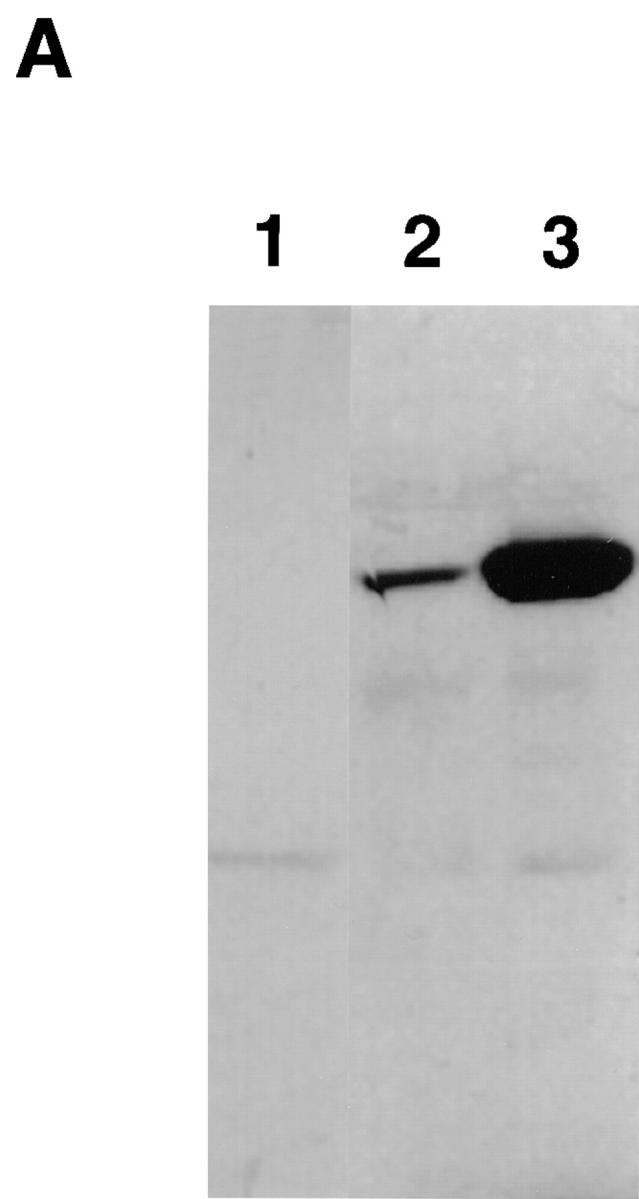
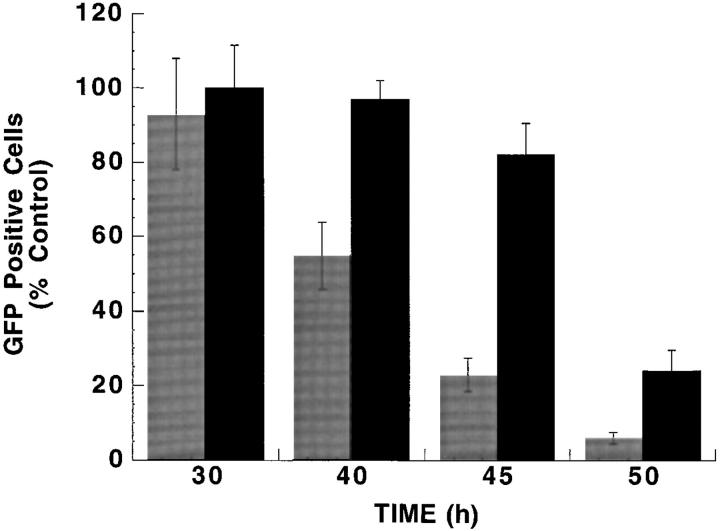
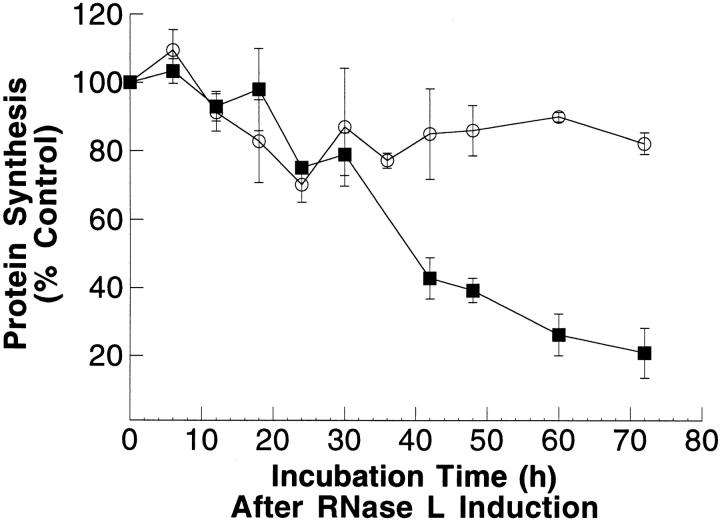
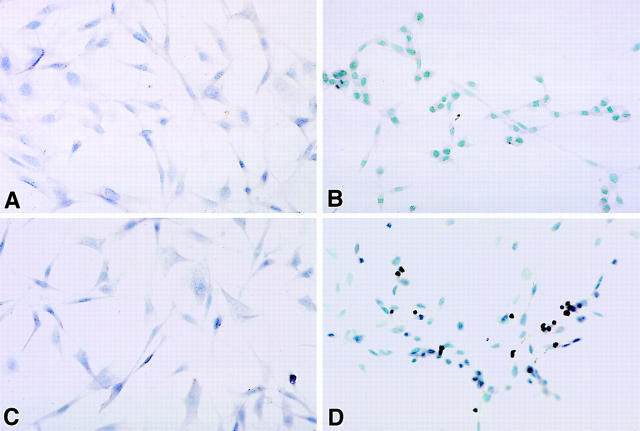
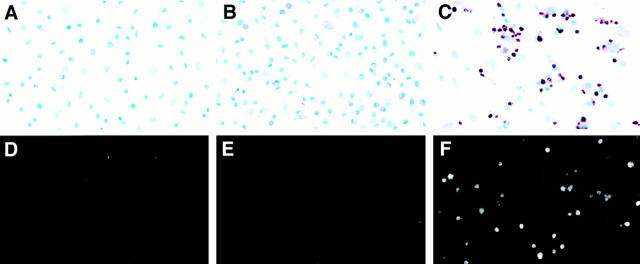
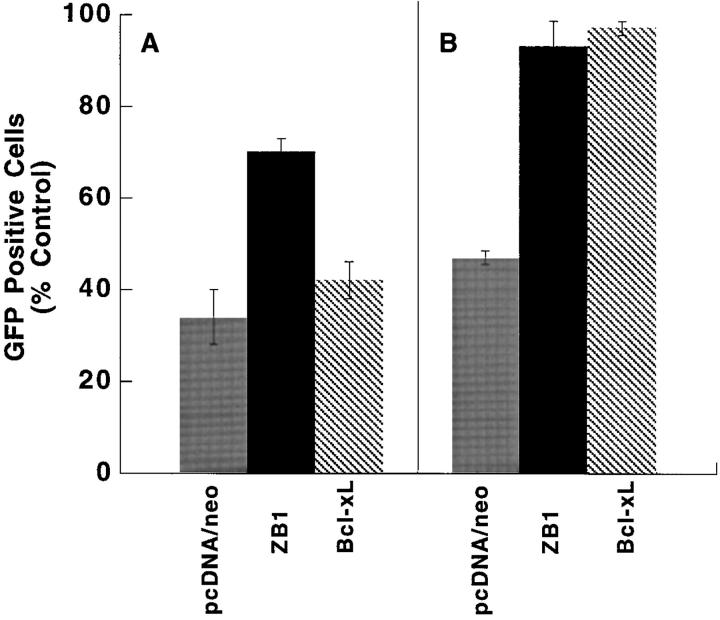
The 2-5A system contributes to the antiviral effect of interferons through the synthesis of 2-5A and its activation of the ribonuclease, RNase L. RNase L degrades viral and cellular RNA after activation by unique, 2'-5' phosphodiester-linked, oligoadenylates [2-5A, (pp)p5' A2'(P5'A2')]n, n >=2. Because both the 2-5A system and apoptosis can serve as viral defense mechanisms and RNA degradation occurs during both processes, we investigated the potential role of RNase L in apoptosis. Overexpression of human RNase L by an inducible promoter in NIH3T3 fibroblasts decreased cell viability and triggered apoptosis. Activation of endogenous RNase L, specifically with 2-5A or with dsRNA, induced apoptosis. Inhibition of RNase L with a dominant negative mutant suppressed poly (I).poly (C)-induced apoptosis in interferon-primed fibroblasts. Moreover, inhibition of RNase L suppressed apoptosis induced by poliovirus. Thus, increased RNase L levels induced apoptosis and inhibition of RNase L activity blocked viral-induced apoptosis. Apoptosis may be one of the antiviral mechanisms regulated by the 2-5A system.
2-5A系统通过合成2-5A及其对核糖核酸酶RNase L的激活作用,对干扰素的抗病毒效应产生影响。在被独特的2'-5'磷酸二酯键连接的寡聚腺苷酸[2-5A, (pp)p5'A2'(P5'A2')]n(n≥2)激活后,RNase L会降解病毒和细胞RNA。由于2-5A系统和细胞凋亡都可作为病毒防御机制,且RNA降解在这两个过程中都会发生,因此我们研究了RNase L在细胞凋亡中的潜在作用。通过诱导型启动子在NIH3T3成纤维细胞中过表达人RNase L会降低细胞活力并引发细胞凋亡。用2-5A或双链RNA特异性激活内源性RNase L可诱导细胞凋亡。用显性负性突变体抑制RNase L可抑制聚肌苷酸-聚胞苷酸(poly (I).poly (C))在经干扰素预处理的成纤维细胞中诱导的细胞凋亡。此外,抑制RNase L可抑制脊髓灰质炎病毒诱导的细胞凋亡。因此,RNase L水平升高会诱导细胞凋亡,而抑制RNase L活性则会阻断病毒诱导的细胞凋亡。细胞凋亡可能是2-5A系统调节的抗病毒机制之一。