Mundel P, Heid H W, Mundel T M, Krüger M, Reiser J, Kriz W
Department of Anatomy and Cell Biology, University of Heidelberg, Germany.
J Cell Biol. 1997 Oct 6;139(1):193-204. doi: 10.1083/jcb.139.1.193.
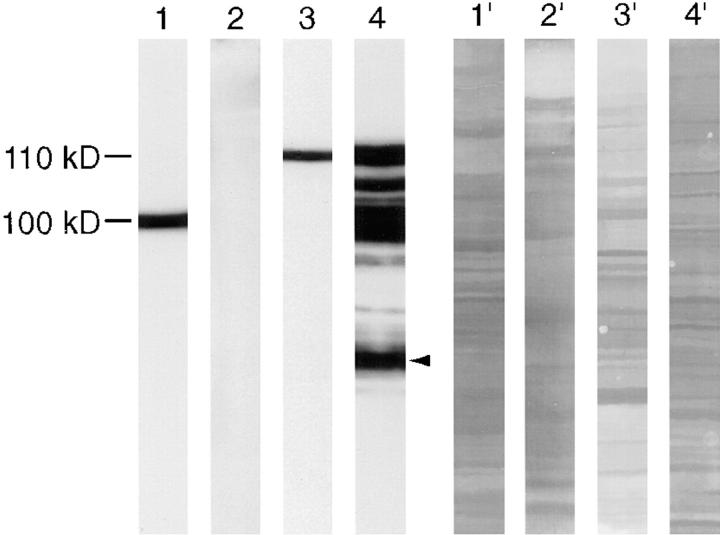
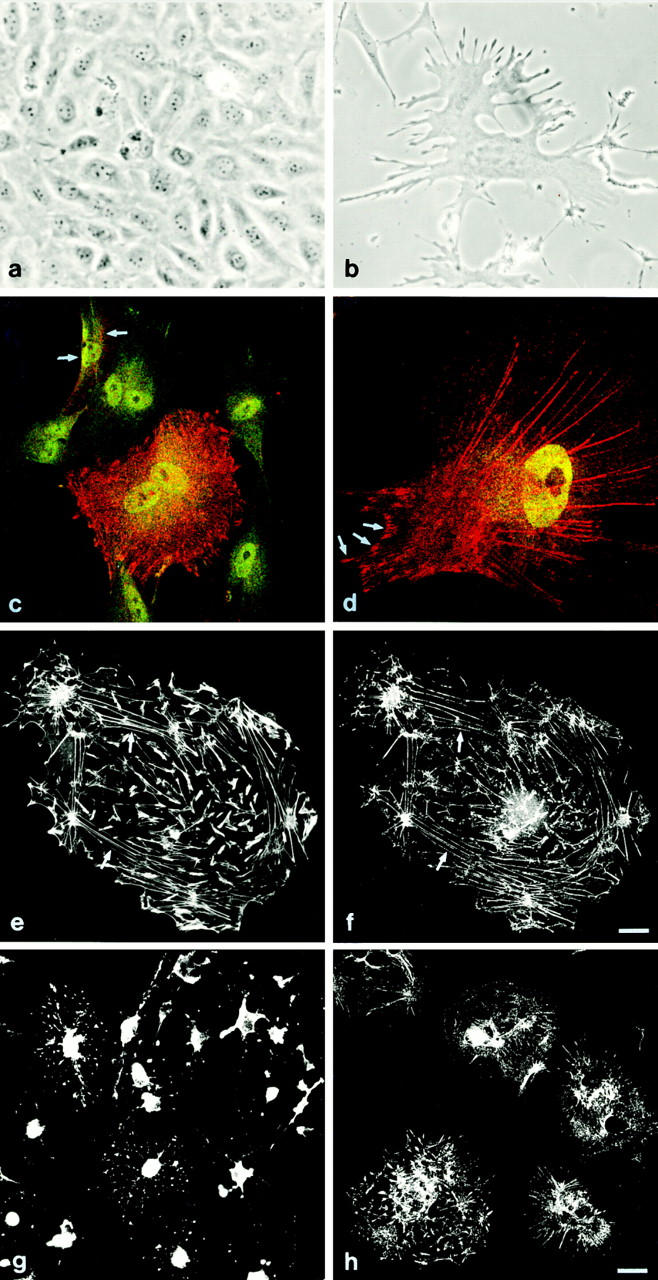
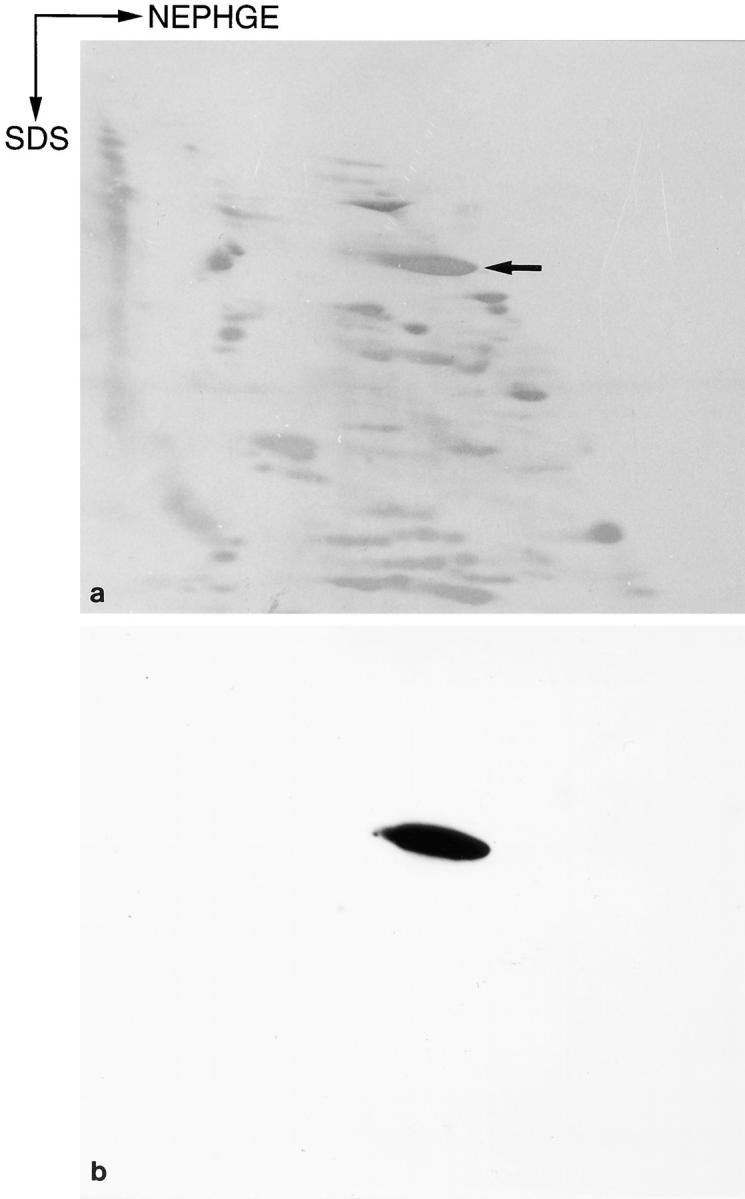
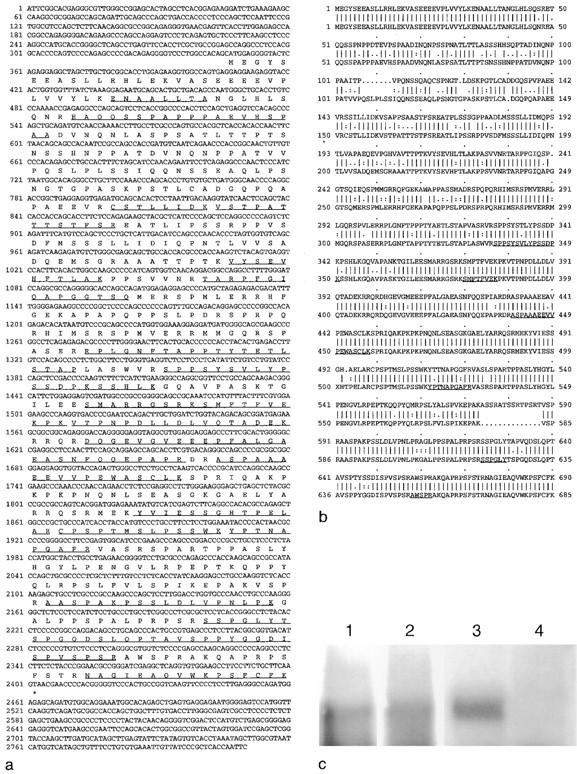
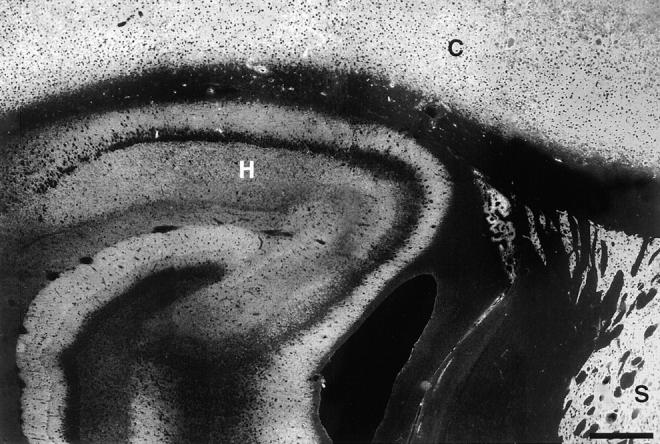
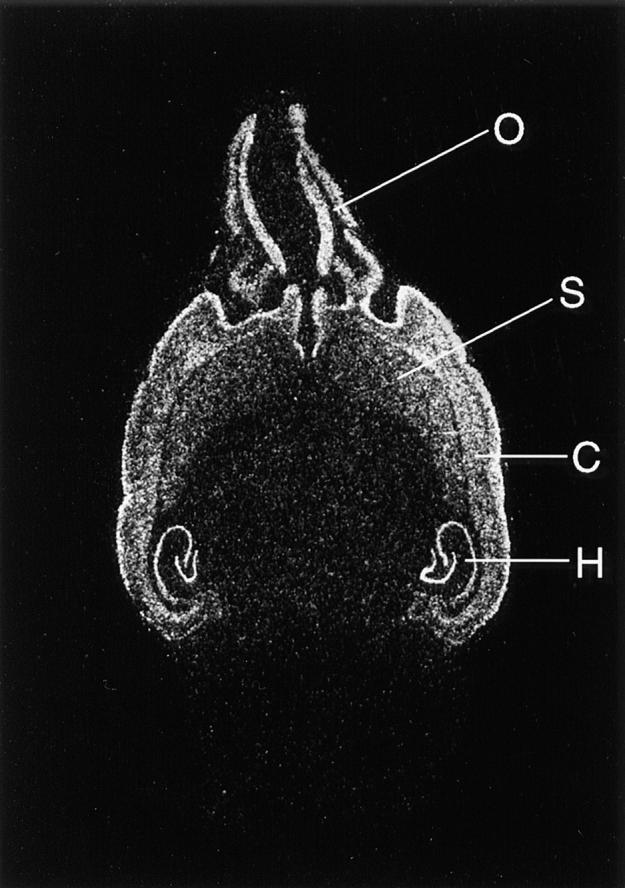
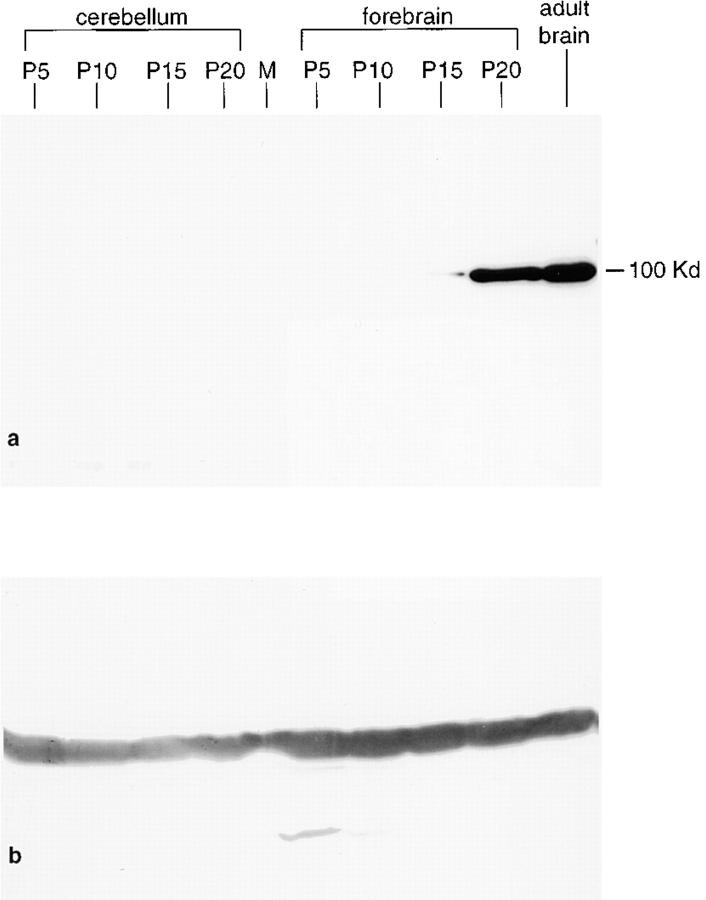
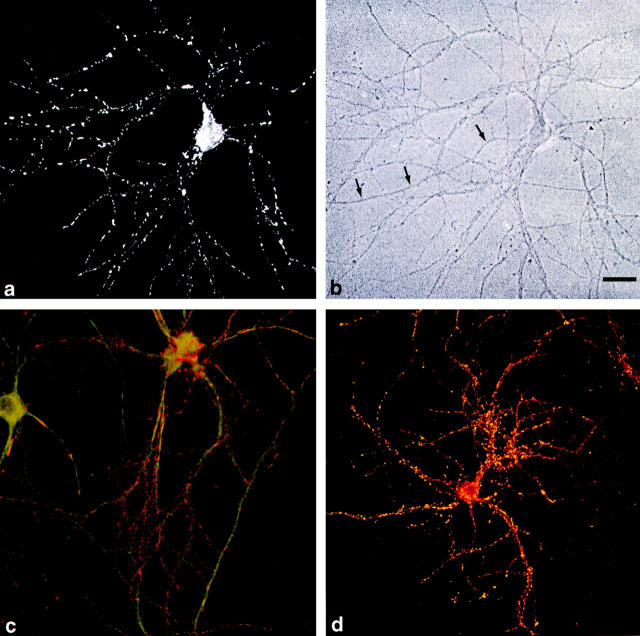
Synaptopodin is an actin-associated protein of differentiated podocytes that also occurs as part of the actin cytoskeleton of postsynaptic densities (PSD) and associated dendritic spines in a subpopulation of exclusively telencephalic synapses. Amino acid sequences determined in purified rat kidney and forebrain synaptopodin and derived from human and mouse brain cDNA clones show no significant homology to any known protein. In particular, synaptopodin does not contain functional domains found in receptor-clustering PSD proteins. The open reading frame of synaptopodin encodes a polypeptide with a calculated Mr of 73.7 kD (human)/74.0 kD (mouse) and an isoelectric point of 9.38 (human)/9. 27 (mouse). Synaptopodin contains a high amount of proline ( approximately 20%) equally distributed along the protein, thus virtually excluding the formation of any globular domain. Sequence comparison between human and mouse synaptopodin revealed 84% identity at the protein level. In both brain and kidney, in vivo and in vitro, synaptopodin gene expression is differentiation dependent. During postnatal maturation of rat brain, synaptopodin is first detected by Western blot analysis at day 15 and reaches maximum expression in the adult animal. The exclusive synaptopodin synthesis in the telencephalon has been confirmed by in situ hybridization, where synaptopodin mRNA is only found in perikarya of the olfactory bulb, cerebral cortex, striatum, and hippocampus, i.e., the expression is restricted to areas of high synaptic plasticity. From these results and experiments with cultured cells we conclude that synaptopodin represents a novel kind of proline-rich, actin-associated protein that may play a role in modulating actin-based shape and motility of dendritic spines and podocyte foot processes.
突触素是一种在分化的足细胞中与肌动蛋白相关的蛋白质,在仅端脑突触的一个亚群中,它也是突触后致密物(PSD)及相关树突棘的肌动蛋白细胞骨架的一部分。在纯化的大鼠肾脏和前脑突触素中测定的氨基酸序列,以及从人和小鼠脑cDNA克隆推导的氨基酸序列,与任何已知蛋白质均无显著同源性。特别是,突触素不包含在受体聚集的PSD蛋白中发现的功能结构域。突触素的开放阅读框编码一种计算分子量为73.7 kD(人)/74.0 kD(小鼠)、等电点为9.38(人)/9.27(小鼠)的多肽。突触素含有大量脯氨酸(约20%),沿蛋白质均匀分布,因此几乎排除了任何球状结构域的形成。人和小鼠突触素之间的序列比较显示,在蛋白质水平上有84%的同一性。在脑和肾脏中,无论体内还是体外,突触素基因表达均依赖于分化。在大鼠脑出生后的成熟过程中,通过蛋白质印迹分析在第15天首次检测到突触素,并在成年动物中达到最大表达。原位杂交已证实端脑中有独特的突触素合成,其中突触素mRNA仅在嗅球、大脑皮层、纹状体和海马体的核周体中发现,即表达仅限于高突触可塑性区域。从这些结果以及对培养细胞的实验中我们得出结论,突触素代表一种新型的富含脯氨酸、与肌动蛋白相关的蛋白质,可能在调节基于肌动蛋白的树突棘和足细胞足突的形状及运动中发挥作用。