Llorente A, Rapak A, Schmid S L, van Deurs B, Sandvig K
Institute for Cancer Research, The Norwegian Radium Hospital, Montebello, 0310 Oslo, Norway.
J Cell Biol. 1998 Feb 9;140(3):553-63. doi: 10.1083/jcb.140.3.553.
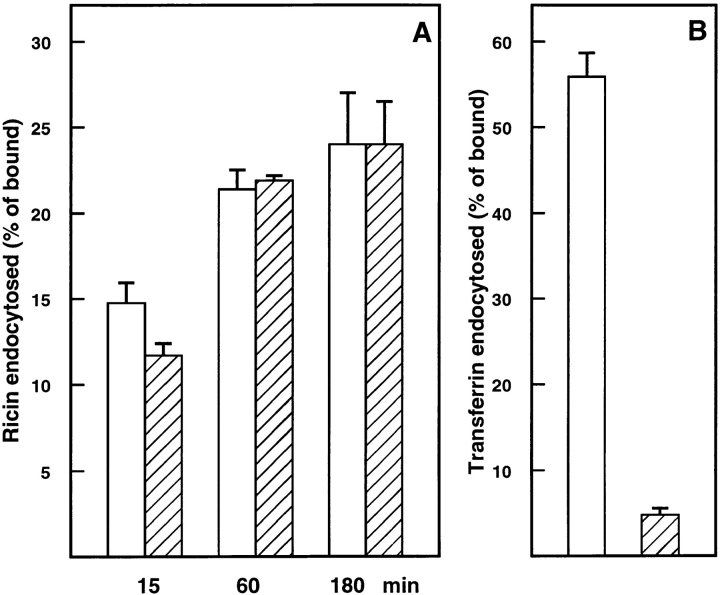
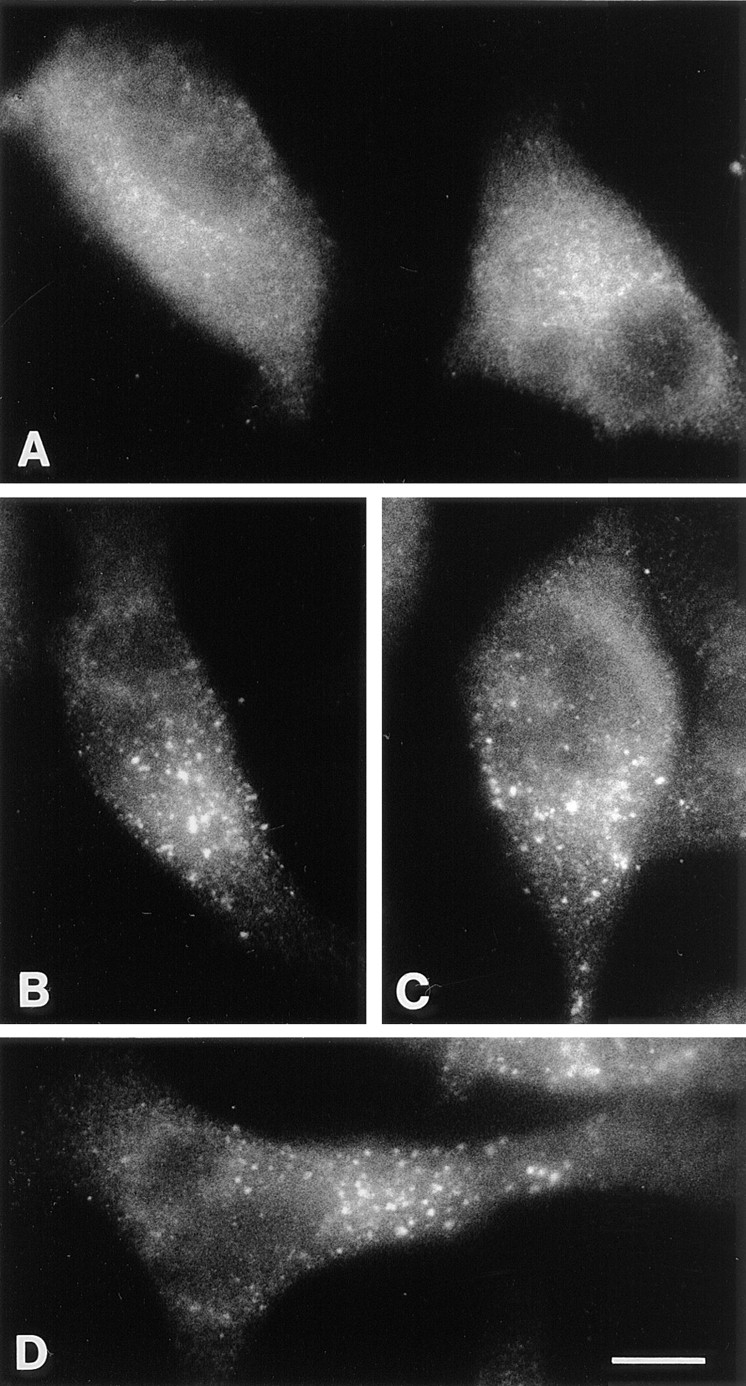
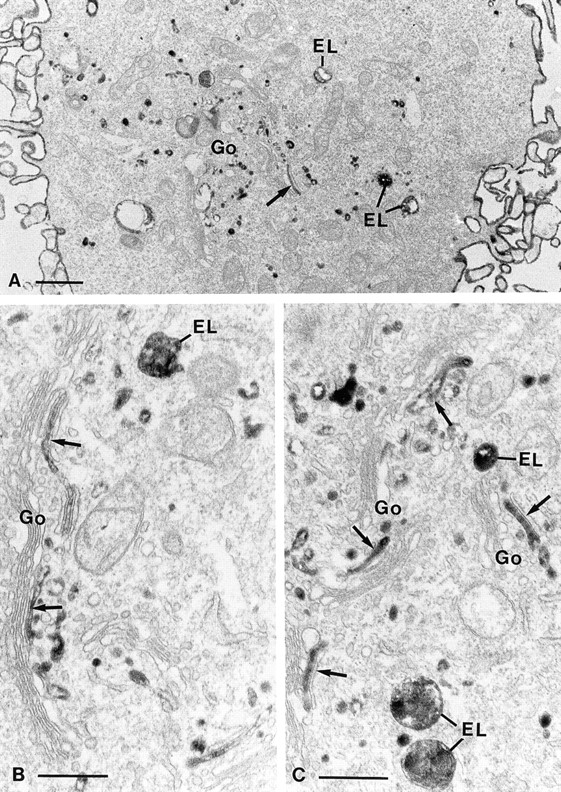
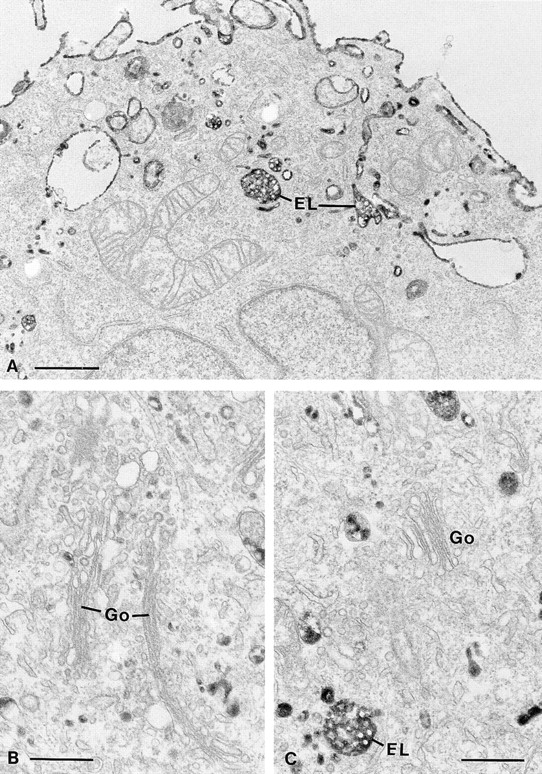
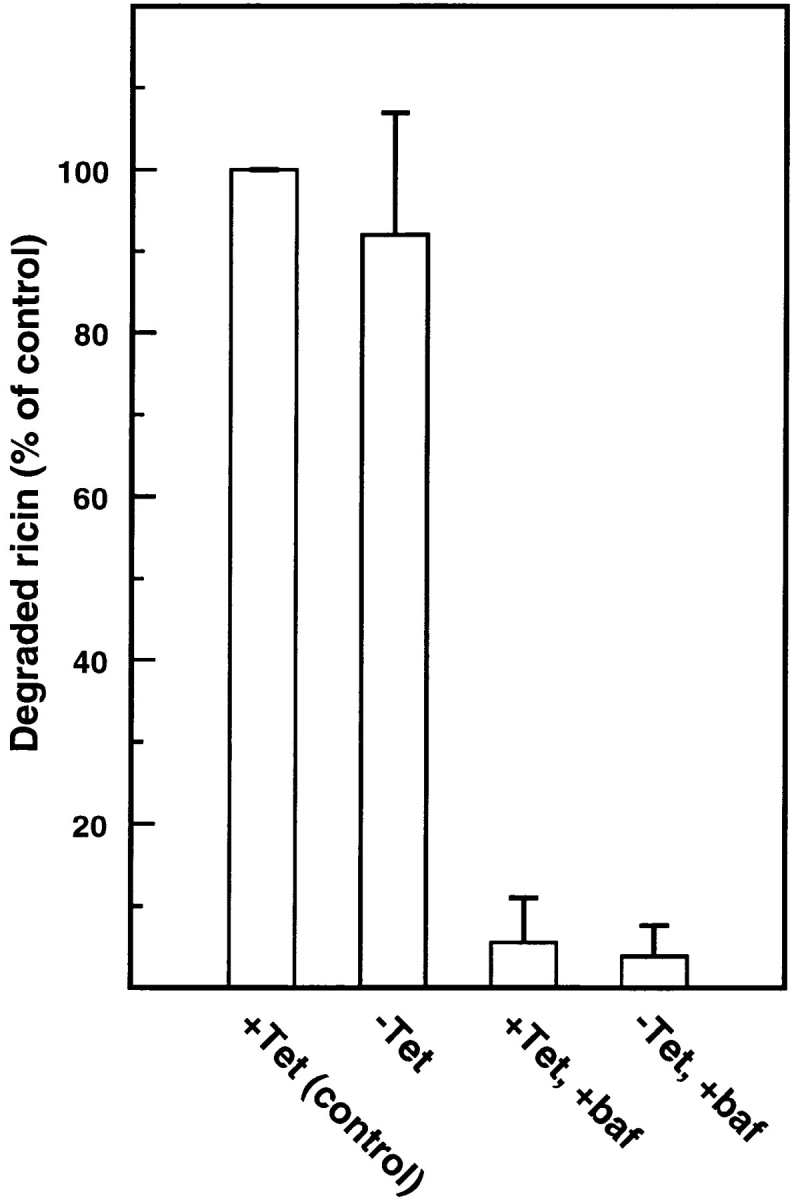
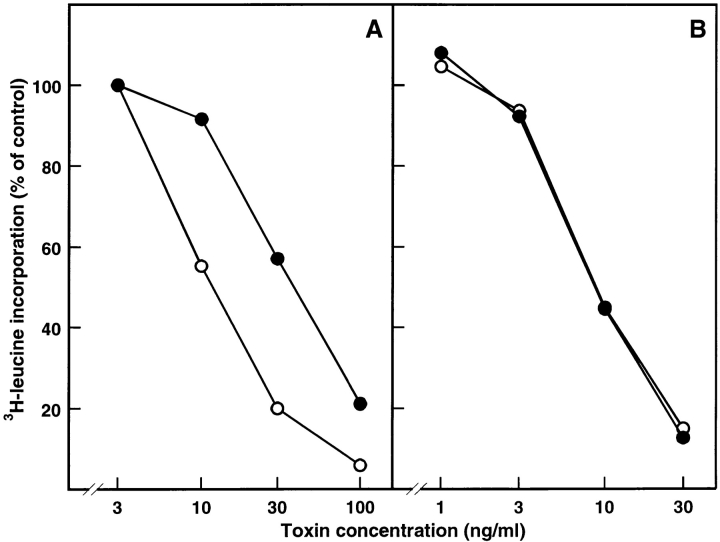
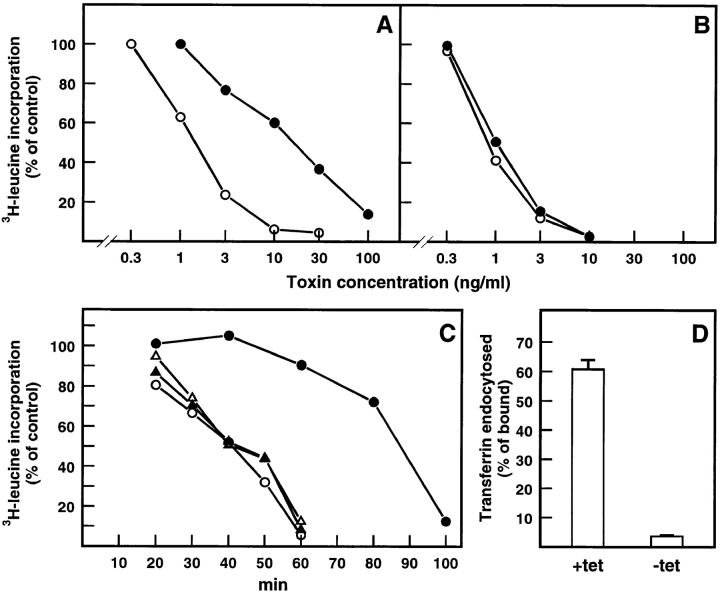
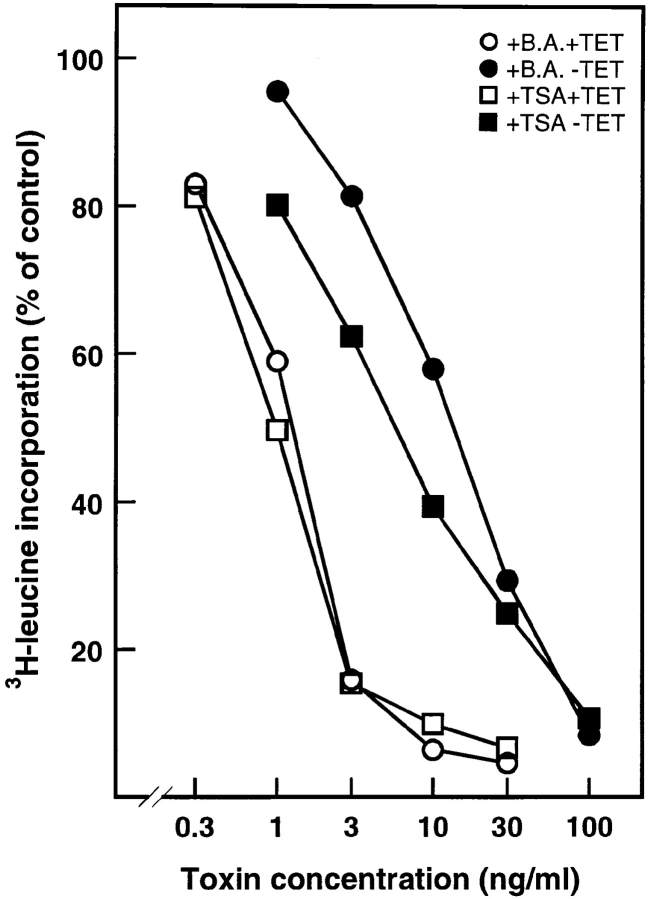
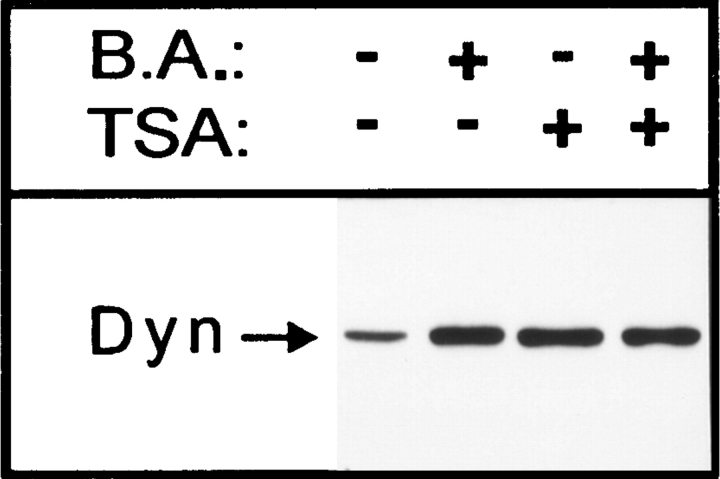
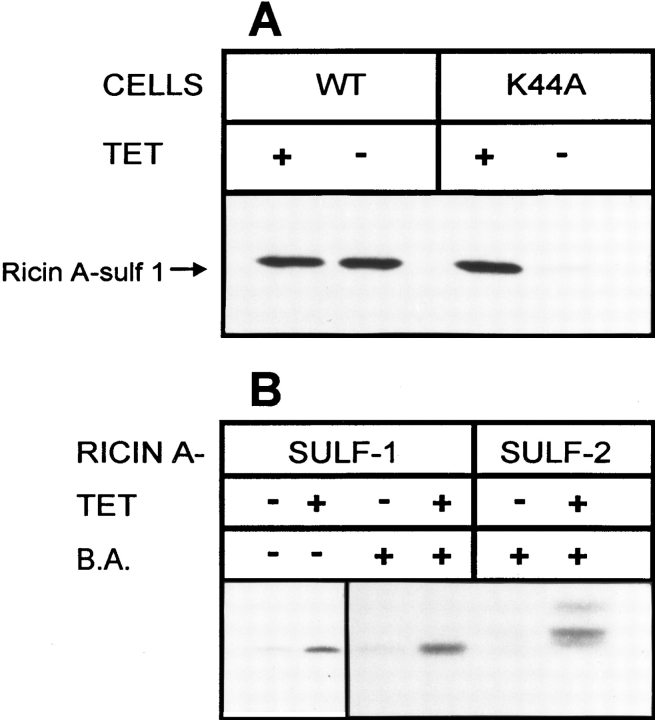
Endocytosis and intracellular transport of ricin were studied in stable transfected HeLa cells where overexpression of wild-type (WT) or mutant dynamin is regulated by tetracycline. Overexpression of the temperature-sensitive mutant dynG273D at the nonpermissive temperature or the dynK44A mutant inhibits clathrin-dependent endocytosis (Damke, H., T. Baba, A.M. van der Blieck, and S.L. Schmid. 1995. J. Cell Biol. 131: 69-80; Damke, H., T. Baba, D.E. Warnock, and S.L. Schmid. 1994. J. Cell Biol. 127:915-934). Under these conditions, ricin was endocytosed at a normal level. Surprisingly, overexpression of both mutants made the cells less sensitive to ricin. Butyric acid and trichostatin A treatment enhanced dynamin overexpression and increased the difference in toxin sensitivity between cells with normal and mutant dynamin. Intoxication with ricin seems to require toxin transport to the Golgi apparatus (Sandirg, K., and B. van Deurs. 1996. Physiol. Rev. 76:949-966), and this process was monitored by measuring the incorporation of radioactive sulfate into a modified ricin molecule containing a tyrosine sulfation site. The sulfation of ricin was much greater in cells expressing dynWT than in cells expressing dynK44A. Ultrastructural analysis using a ricin-HRP conjugate confirmed that transport to the Golgi apparatus was severely inhibited in cells expressing dynK44A. In contrast, ricin transport to lysosomes as measured by degradation of 125I-ricin was essentially unchanged in cells expressing dynK44A. These data demonstrate that although ricin is internalized by clathrin-independent endocytosis in cells expressing mutant dynamin, there is a strong and apparently selective inhibition of ricin transport to the Golgi apparatus. Also, in cells with mutant dynamin, there is a redistribution of the mannose-6-phosphate receptor.
在稳定转染的HeLa细胞中研究了蓖麻毒素的内吞作用和细胞内运输,其中野生型(WT)或突变型发动蛋白的过表达受四环素调控。在非允许温度下温度敏感突变体dynG273D或dynK44A突变体的过表达抑制网格蛋白依赖性内吞作用(Damke, H., T. Baba, A.M. van der Blieck, and S.L. Schmid. 1995. J. Cell Biol. 131: 69 - 80; Damke, H., T. Baba, D.E. Warnock, and S.L. Schmid. 1994. J. Cell Biol. 127:915 - 934)。在这些条件下,蓖麻毒素以正常水平被内吞。令人惊讶的是,两种突变体的过表达使细胞对蓖麻毒素的敏感性降低。丁酸和曲古抑菌素A处理增强了发动蛋白的过表达,并增加了正常和突变型发动蛋白细胞之间毒素敏感性的差异。蓖麻毒素中毒似乎需要毒素运输到高尔基体(Sandirg, K., and B. van Deurs. 1996. Physiol. Rev. 76:949 - 966),并且通过测量放射性硫酸盐掺入含有酪氨酸硫酸化位点的修饰蓖麻毒素分子中来监测这个过程。在表达dynWT的细胞中蓖麻毒素的硫酸化比在表达dynK44A的细胞中要大得多。使用蓖麻毒素 - HRP偶联物的超微结构分析证实,在表达dynK44A的细胞中运输到高尔基体的过程受到严重抑制。相比之下,通过125I - 蓖麻毒素降解测量的蓖麻毒素向溶酶体的运输在表达dynK44A的细胞中基本未改变。这些数据表明,尽管在表达突变型发动蛋白的细胞中蓖麻毒素通过非网格蛋白依赖性内吞作用内化,但蓖麻毒素向高尔基体的运输存在强烈且明显的选择性抑制。此外,在具有突变型发动蛋白的细胞中,甘露糖 - 6 - 磷酸受体发生了重新分布。