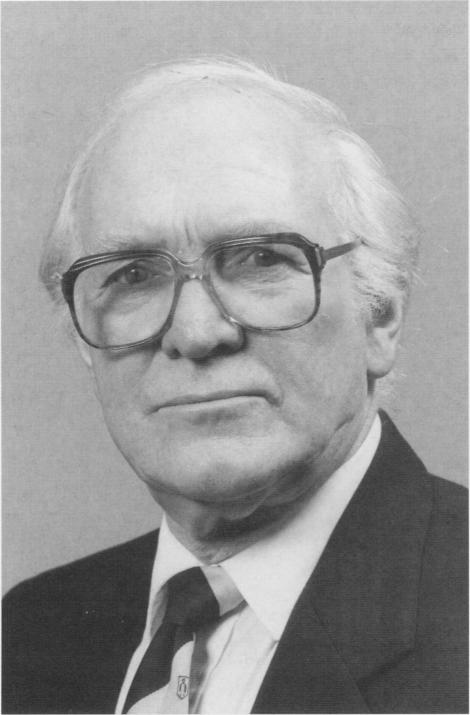
Stapleton M P
Faculty of Medicine, University of Calgary, AB, Canada.
Tex Heart Inst J. 1997;24(4):336-42.
The history of cardiology encompasses some of the most revered names in medical history, many belonging to physicians who have advanced knowledge beyond their time. However, there have been countless others whose work in the basic sciences has paid large dividends to clinical cardiology. The original example of such an individual is William Harvey, whose reasoned experimentation led to the understanding of the circulation of blood. Another such man, Sir James Black, has contributed to basic scientific and clinical knowledge in cardiology, both as a physician and as a basic scientist. His invention of propranolol, the beta adrenergic receptor antagonist that revolutionized the medical management of angina pectoris, is considered to be one of the most important contributions to clinical medicine and pharmacology of the 20th century. His method of research, his discoveries about adrenergic pharmacology, and his clarification of the mechanisms of cardiac action are all strengths of his work. In 1988, he was awarded the Nobel Prize in Medicine. Sir James's conclusions and method of research have continued to influence work in clinical pharmacology and cardiovascular medicine. Thus, the development of propranolol runs parallel to most other great achievements in medicine: the genius of a few builds on the accomplishments of many, and the discovery influences thinking long after the breakthrough has occurred.
心脏病学的历史涵盖了医学史上一些最受尊崇的人物,其中许多人是超越其时代推进知识的内科医生。然而,还有无数其他人在基础科学方面的工作为临床心脏病学带来了巨大回报。这样一个人的典型例子是威廉·哈维,他经过合理的实验,使人们对血液循环有了认识。另一个这样的人是詹姆斯·布莱克爵士,他作为内科医生和基础科学家,都为心脏病学的基础科学和临床知识做出了贡献。他发明的普萘洛尔,即β肾上腺素能受体拮抗剂,彻底改变了心绞痛的药物治疗,被认为是20世纪临床医学和药理学最重要的贡献之一。他的研究方法、他对肾上腺素能药理学的发现以及他对心脏作用机制的阐明都是他工作的优点。1988年,他被授予诺贝尔医学奖。詹姆斯爵士的结论和研究方法继续影响着临床药理学和心血管医学的工作。因此,普萘洛尔的发展与医学上大多数其他伟大成就并行:少数天才建立在许多人的成就之上,而且这一发现的影响在突破发生很久之后仍在影响着人们的思维。