Mack M, Luckow B, Nelson P J, Cihak J, Simmons G, Clapham P R, Signoret N, Marsh M, Stangassinger M, Borlat F, Wells T N, Schlöndorff D, Proudfoot A E
Medizinische Poliklinik, Ludwig-Maximilians-University of Munich, 80336 Munich, Germany.
J Exp Med. 1998 Apr 20;187(8):1215-24. doi: 10.1084/jem.187.8.1215.
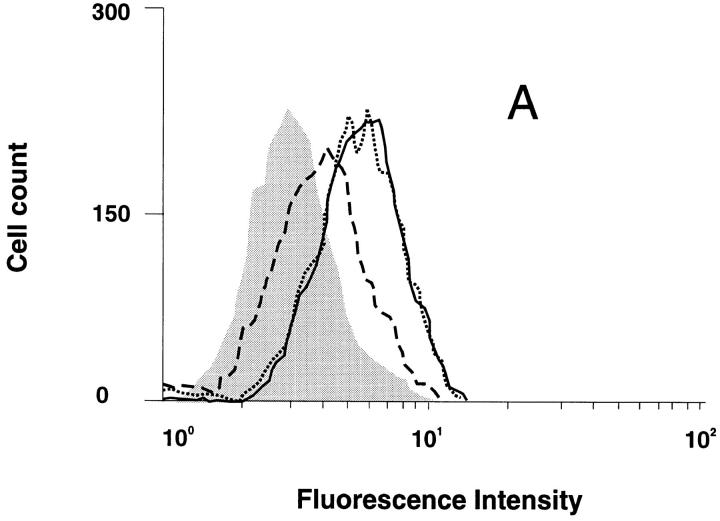
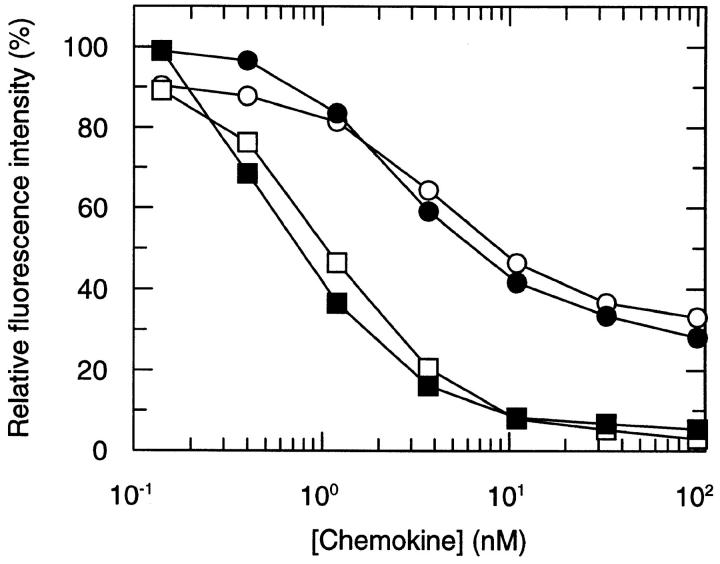
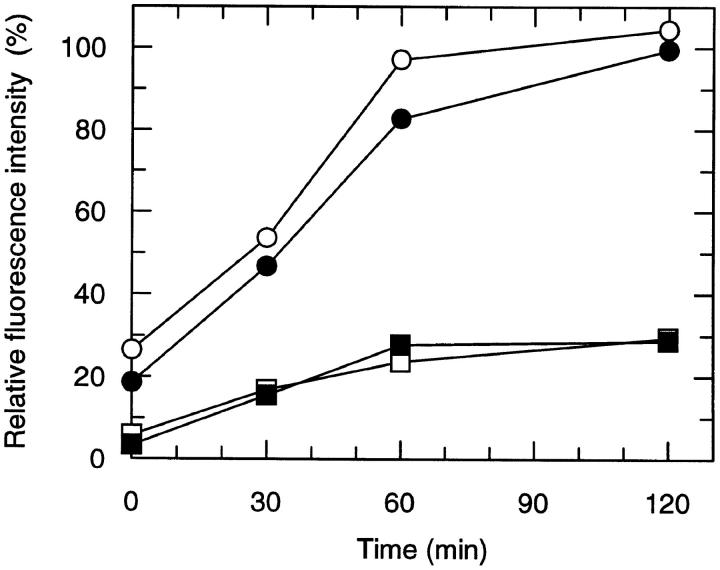
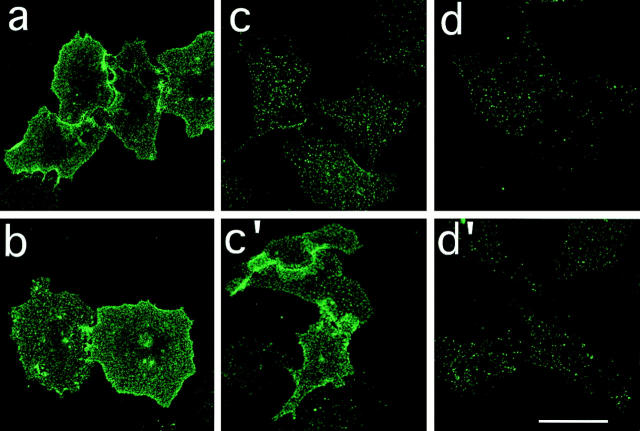
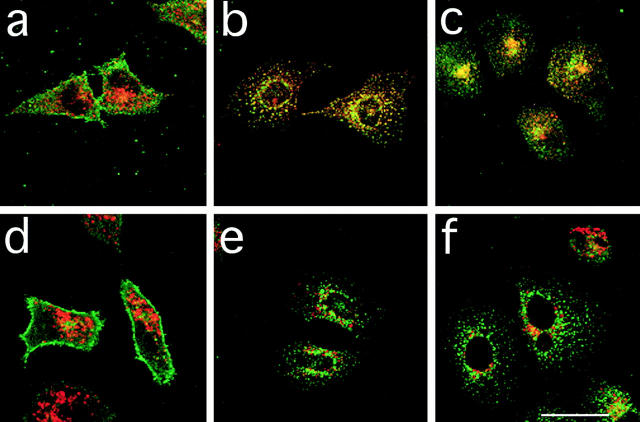
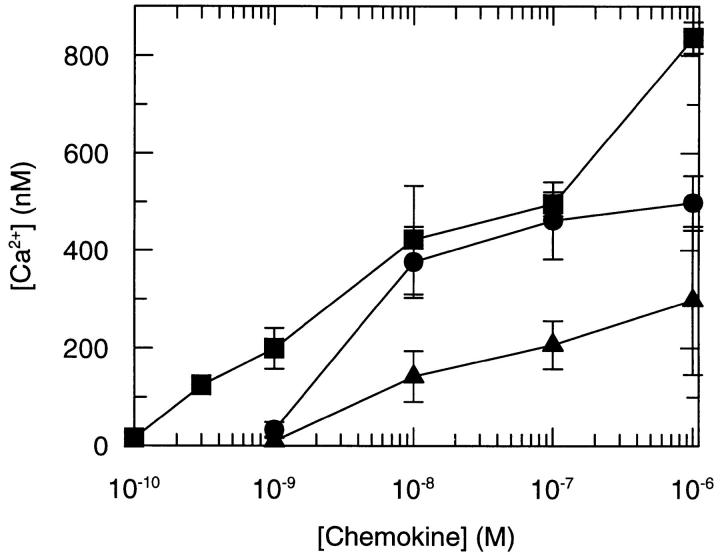
CCR5, a chemokine receptor expressed on T cells and macrophages, is the principal coreceptor for M-tropic HIV-1 strains. Recently, we described an NH2-terminal modification of the CCR5 ligand regulated on activation, normal T cell expressed and secreted (RANTES), aminooxypentane-RANTES (AOP-RANTES), that showed potent inhibition of macrophage infection by HIV-1 under conditions where RANTES was barely effective. To investigate the mechanism of AOP-RANTES inhibition of HIV infectivity we examined the surface expression of CCR5 using a monoclonal anti-CCR5 antibody, MC-1. We demonstrate that AOP-RANTES rapidly caused >90% decrease in cell surface expression of CCR5 on lymphocytes, monocytes/ macrophages, and CCR5 transfected Chinese hamster ovary (CHO) cells. RANTES also caused a loss of cell surface CCR5, although its effect was less than with AOP-RANTES. Significantly, AOP-RANTES inhibited recycling of internalized CCR5 to the cell surface, whereas RANTES did not. When peripheral blood mononuclear cells are cultured for prolonged periods of time in the presence of RANTES, CCR5 expression is comparable to that seen on cells treated with control medium, whereas there is no CCR5 surface expression on cells cultured in the presence of AOP-RANTES. Immunofluorescence indicated that both AOP-RANTES and RANTES induced downmodulation of cell surface CCR5, and that the receptor was redistributed into endocytic organelles containing the transferrin receptor. When RANTES was removed, the internalized receptor was recycled to the cell surface; however, the receptor internalized in the presence of AOP-RANTES was retained in endosomes. Using human osteosarcoma (GHOST) 34/CCR5 cells, the potency of AOP-RANTES and RANTES to inhibit infection by the M-tropic HIV-1 strain, SF 162, correlated with the degree of downregulation of CCR5 induced by the two chemokines. These differences between AOP-RANTES and RANTES in their effect on receptor downregulation and recycling suggest a mechanism for the potent inhibition of HIV infection by AOP-RANTES. Moreover, these results support the notion that receptor internalization and inhibition of receptor recycling present new targets for therapeutic agents to prevent HIV infection.
CCR5是一种在T细胞和巨噬细胞上表达的趋化因子受体,是M嗜性HIV-1毒株的主要共受体。最近,我们描述了一种对CCR5配体——受激活调节、正常T细胞表达和分泌的趋化因子(RANTES)进行的氨基氧基戊烷修饰,即氨基氧基戊烷-RANTES(AOP-RANTES),它在RANTES几乎无效的条件下,对HIV-1感染巨噬细胞表现出强大的抑制作用。为了研究AOP-RANTES抑制HIV感染性的机制,我们使用单克隆抗CCR5抗体MC-1检测了CCR5的表面表达。我们证明,AOP-RANTES能迅速使淋巴细胞、单核细胞/巨噬细胞以及CCR5转染的中国仓鼠卵巢(CHO)细胞表面的CCR5表达减少>90%。RANTES也会导致细胞表面CCR5的丢失,尽管其作用小于AOP-RANTES。值得注意的是,AOP-RANTES抑制内化的CCR5再循环到细胞表面,而RANTES则不会。当外周血单核细胞在RANTES存在下长时间培养时,CCR5的表达与用对照培养基处理的细胞相当,而在AOP-RANTES存在下培养的细胞则没有CCR5表面表达。免疫荧光显示,AOP-RANTES和RANTES均诱导细胞表面CCR5的下调,并且该受体重新分布到含有转铁蛋白受体的内吞细胞器中。当去除RANTES时,内化的受体再循环到细胞表面;然而,在AOP-RANTES存在下内化的受体则保留在内体中。使用人骨肉瘤(GHOST)34/CCR5细胞,AOP-RANTES和RANTES抑制M嗜性HIV-1毒株SF 162感染的效力与这两种趋化因子诱导的CCR5下调程度相关。AOP-RANTES和RANTES在受体下调和再循环作用上的这些差异提示了AOP-RANTES有效抑制HIV感染的一种机制。此外,这些结果支持这样一种观点,即受体内化和受体再循环的抑制为预防HIV感染的治疗药物提供了新的靶点。