Wendel M, Sommarin Y, Heinegård D
Department of Cell and Molecular Biology, University of Lund, S-221 00 Lund, Sweden.
J Cell Biol. 1998 May 4;141(3):839-47. doi: 10.1083/jcb.141.3.839.
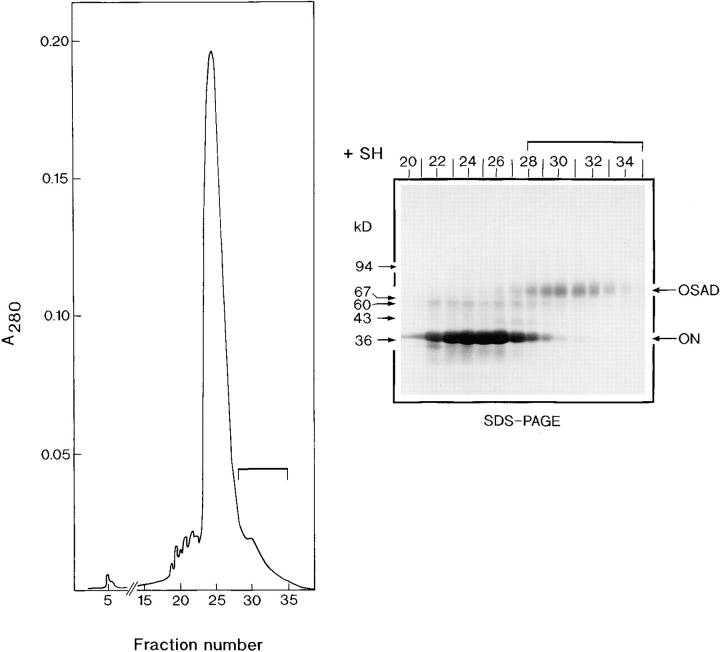
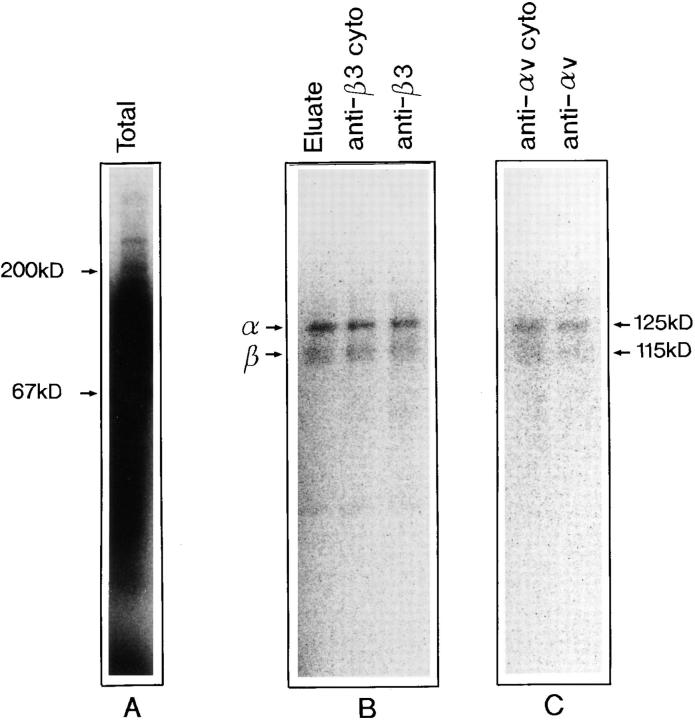
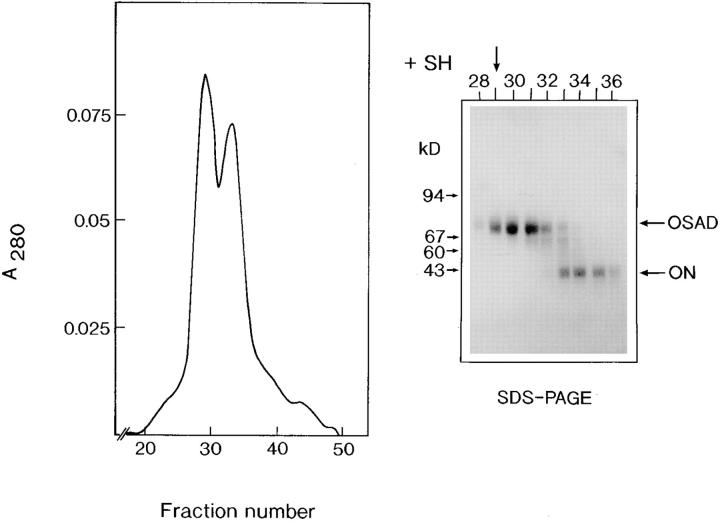
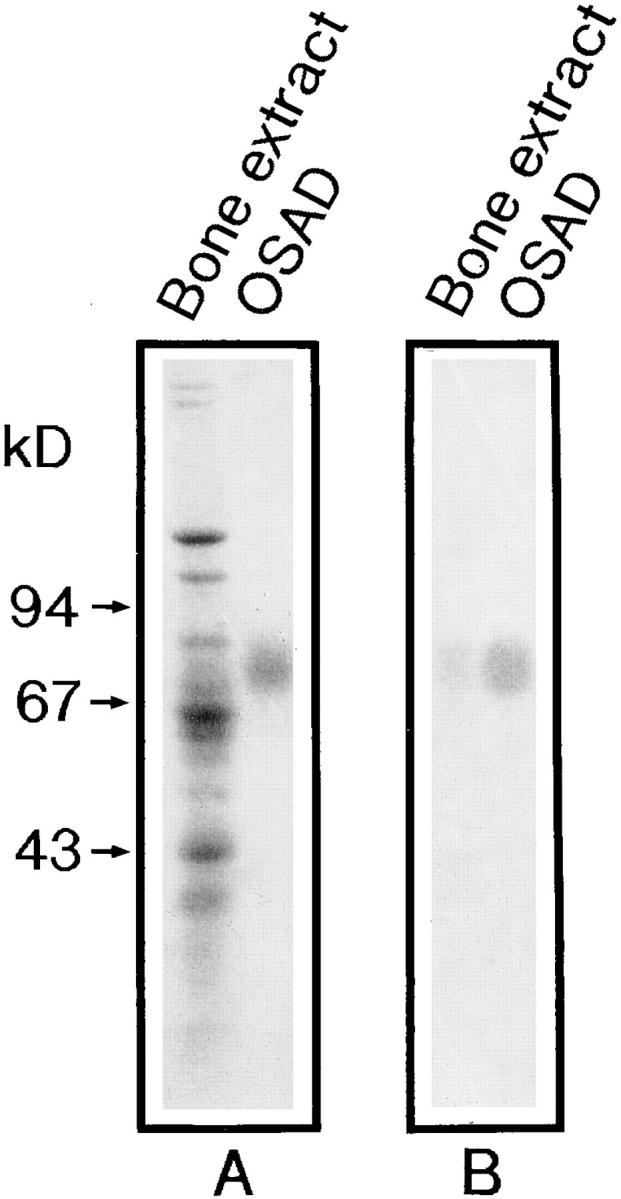
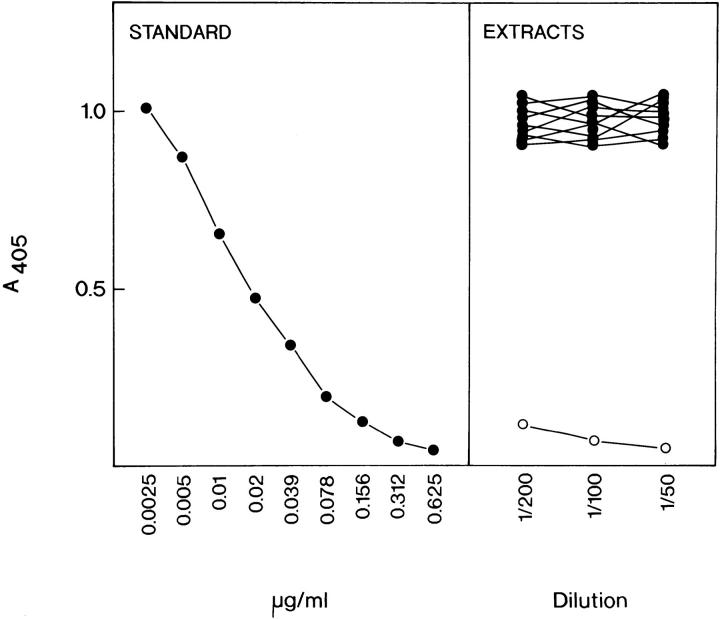
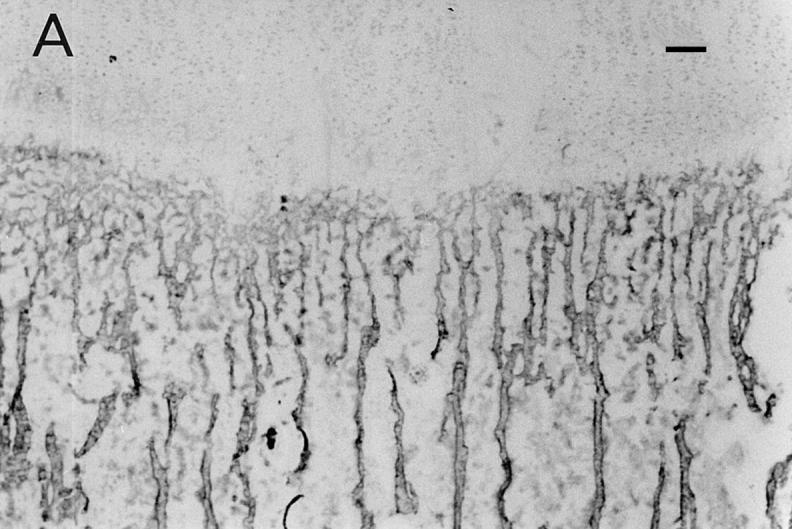
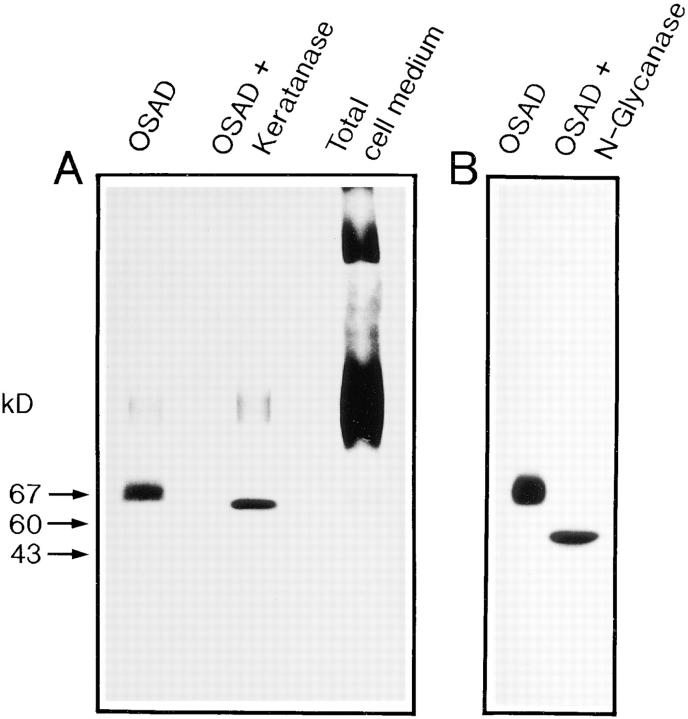
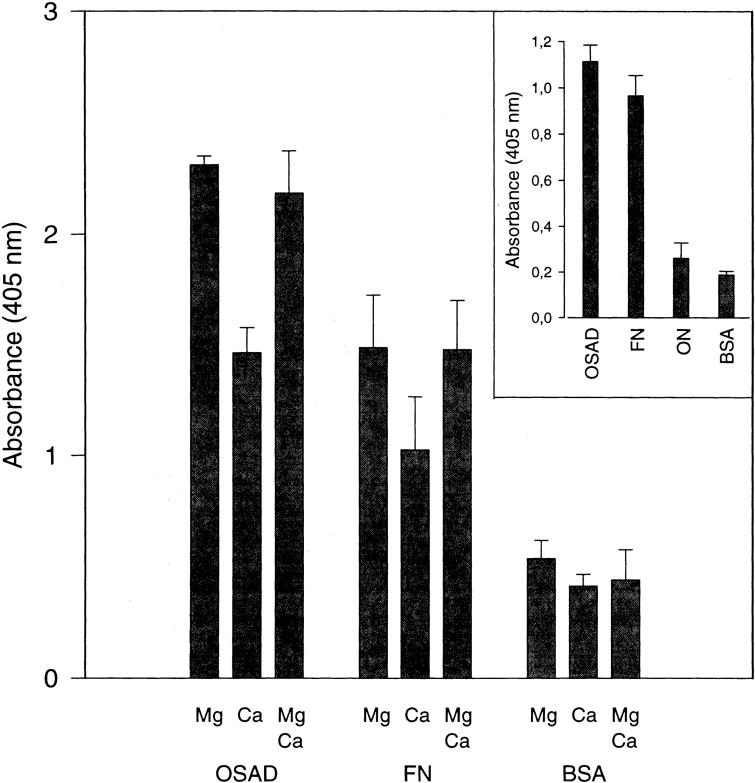
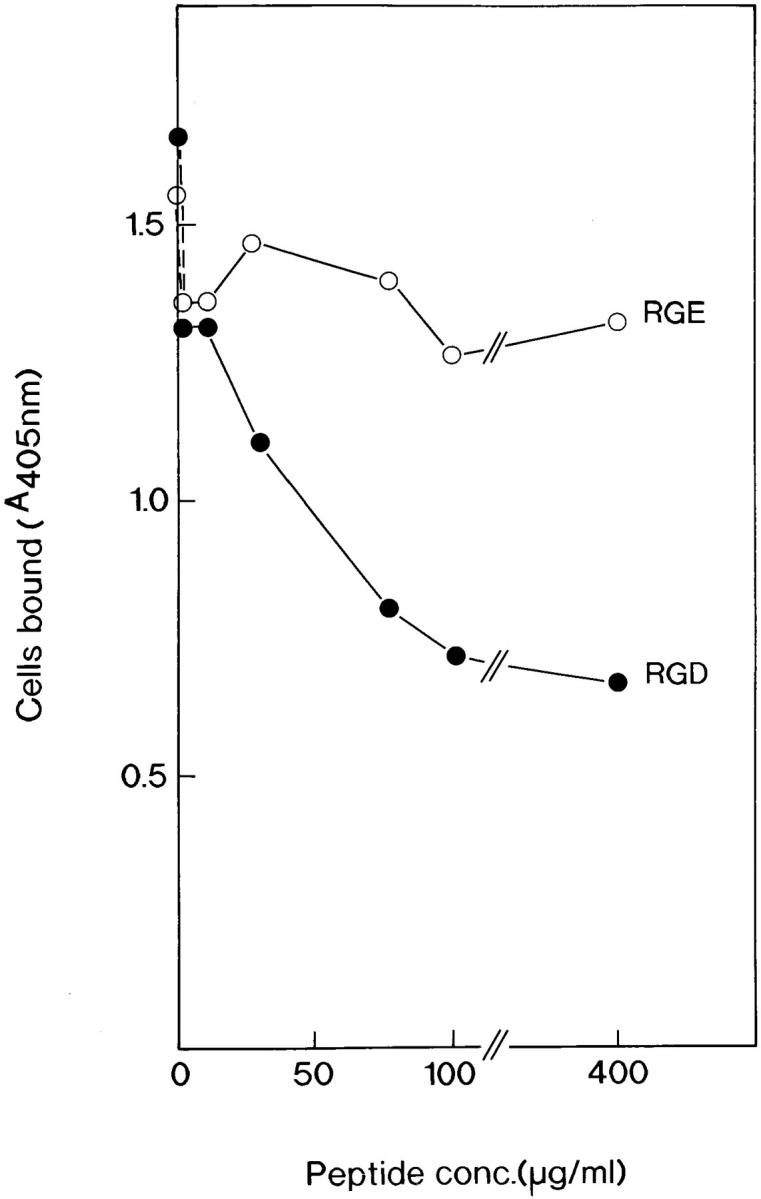
A small cell-binding proteoglycan for which we propose the name osteoadherin was extracted from bovine bone with guanidine hydrochloride-containing EDTA. It was purified to homogeneity using a combination of ion-exchange chromatography, hydroxyapatite chromatography, and gel filtration. The Mof the proteoglycan was 85, 000 as determined by SDS-PAGE. The protein is rich in aspartic acid, glutamic acid, and leucine. Two internal octapeptides from the proteoglycan contained the sequences Glu-Ile-Asn-Leu-Ser-His-Asn-Lys and Arg-Asp-Leu-Tyr-Phe-Asn-Lys-Ile. These sequences are not previously described, and support the notion that osteoadherin belongs to the family of leucine-rich repeat proteins. A monospecific antiserum was raised in rabbits. An enzyme-linked immunosorbent assay was developed, and showed the osteoadherin content of bone extracts to be 0.4 mg/g of tissue wet weight, whereas none was found in extracts of various other bovine tissues. Metabolic labeling of primary bovine osteoblasts followed by immunoprecipitation showed the cells to synthesize and secrete the proteoglycan. Digesting the immunoprecipitated osteoadherin with N-glycosidase reduced its apparent size to 47 kD, thus showing the presence of several N-linked oligosaccharides. Digestion with keratanase indicated some of the oligosaccharides to be extended to keratan sulfate chains. In immunohistochemical studies of the bovine fetal rib growth plate, osteoadherin was exclusively identified in the primary bone spongiosa. Osteoadherin binds to hydroxyapatite. A potential function of this proteoglycan is to bind cells, since we showed it to be as efficient as fibronectin in promoting osteoblast attachment in vitro. The binding appears to be mediated by the integrin alphavbeta3, since this was the only integrin isolated by osteoadherin affinity chromatography of surface-iodinated osteoblast extracts.
一种我们提议命名为骨黏附素的小细胞结合蛋白聚糖,是用含盐酸胍的乙二胺四乙酸从牛骨中提取出来的。通过离子交换色谱、羟基磷灰石色谱和凝胶过滤相结合的方法将其纯化至同质。通过十二烷基硫酸钠 - 聚丙烯酰胺凝胶电泳测定,该蛋白聚糖的分子量为85,000。该蛋白质富含天冬氨酸、谷氨酸和亮氨酸。来自该蛋白聚糖的两个内部八肽包含序列Glu - Ile - Asn - Leu - Ser - His - Asn - Lys和Arg - Asp - Leu - Tyr - Phe - Asn - Lys - Ile。这些序列以前未被描述过,支持了骨黏附素属于富含亮氨酸重复蛋白家族的观点。在兔子体内产生了单特异性抗血清。开发了一种酶联免疫吸附测定法,结果显示骨提取物中骨黏附素的含量为0.4毫克/克组织湿重,而在其他各种牛组织的提取物中未发现。对原代牛成骨细胞进行代谢标记后进行免疫沉淀,结果显示细胞能合成并分泌该蛋白聚糖。用N - 糖苷酶消化免疫沉淀的骨黏附素,其表观大小降至47kD,从而表明存在多个N - 连接的寡糖。用角蛋白酶消化表明一些寡糖被延伸为硫酸角质素链。在牛胎儿肋骨生长板的免疫组织化学研究中,骨黏附素仅在初级骨松质中被鉴定出来。骨黏附素与羟基磷灰石结合。这种蛋白聚糖的一个潜在功能是结合细胞,因为我们发现它在体外促进成骨细胞附着方面与纤连蛋白一样有效。这种结合似乎是由整合素αvβ3介导的,因为这是通过表面碘化的成骨细胞提取物的骨黏附素亲和色谱分离出的唯一整合素。