O'Grady P, Thai T C, Saito H
Dana-Farber Cancer Institute and Department of Biological Chemistry and Molecular Pharmacology, Harvard Medical School, Boston, Massachusetts 02115, USA.
J Cell Biol. 1998 Jun 29;141(7):1675-84. doi: 10.1083/jcb.141.7.1675.
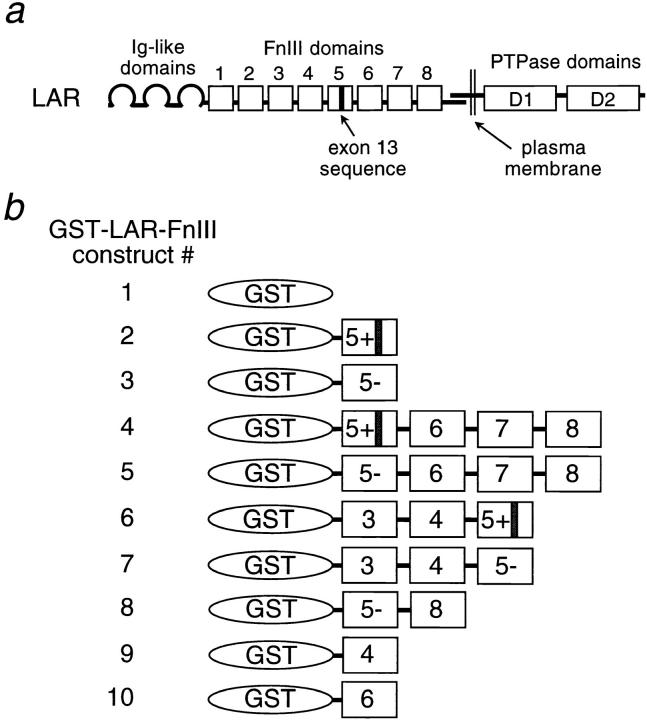
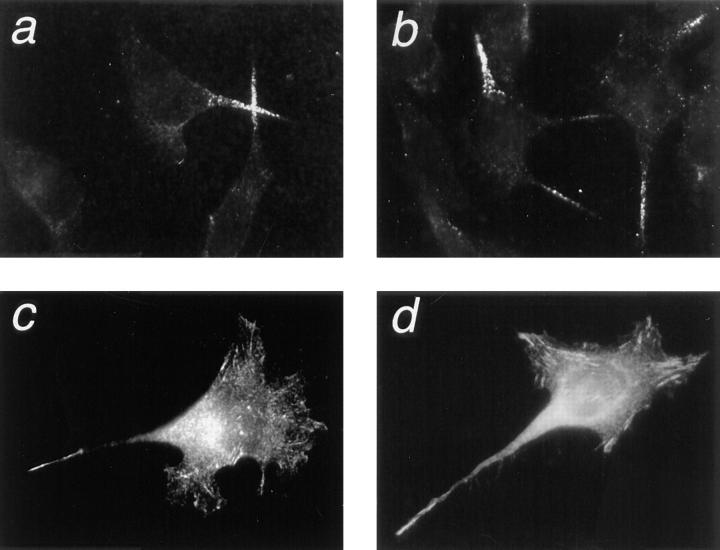
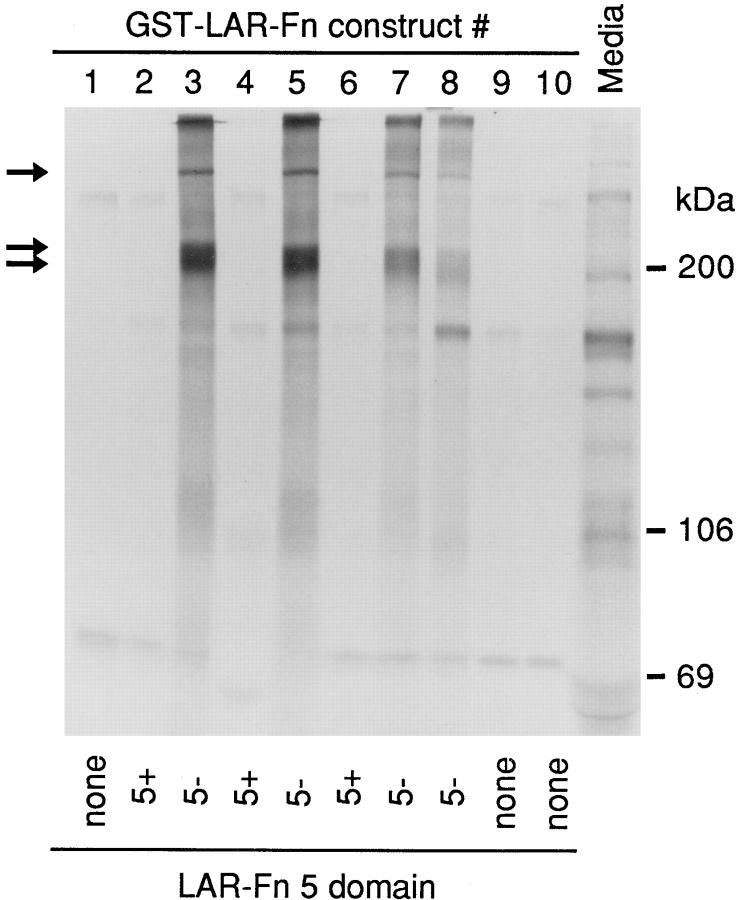
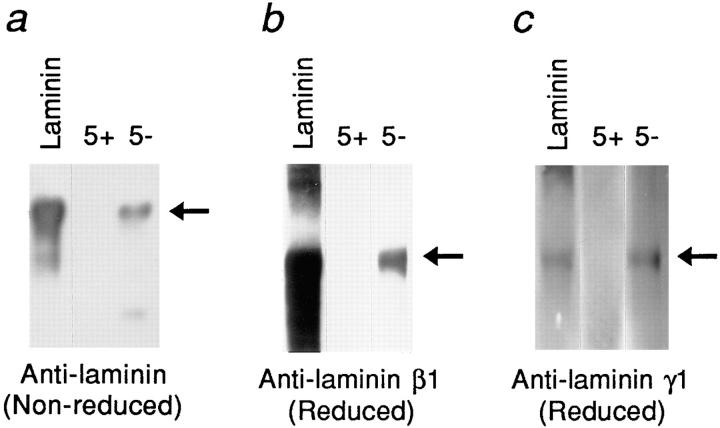
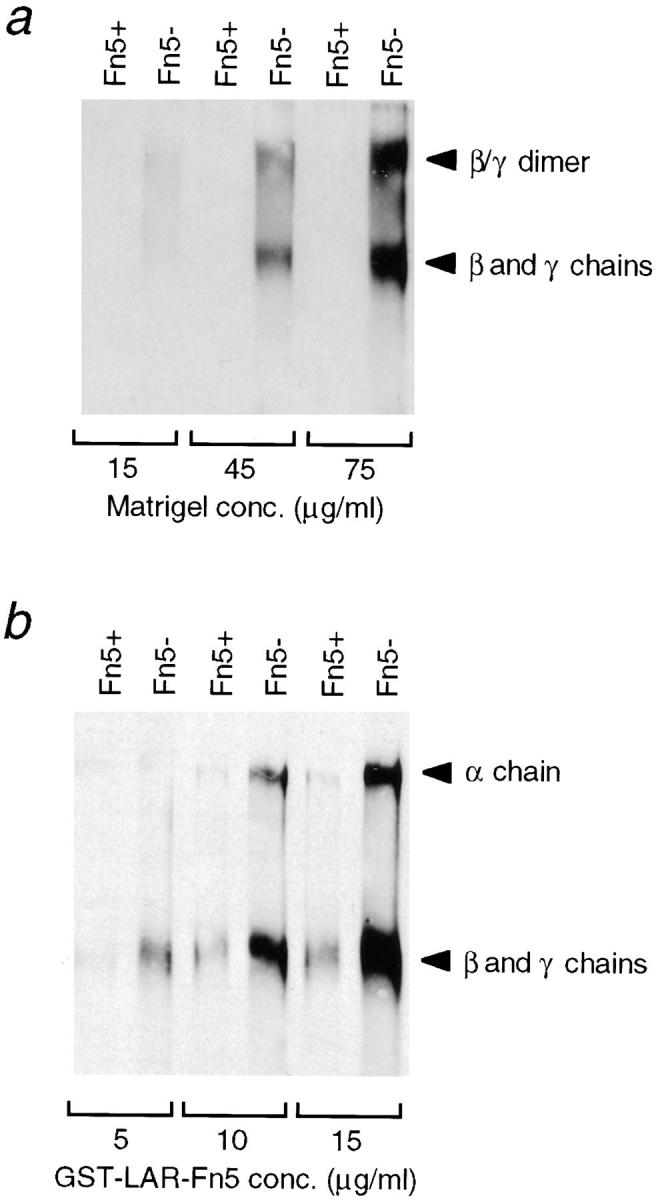
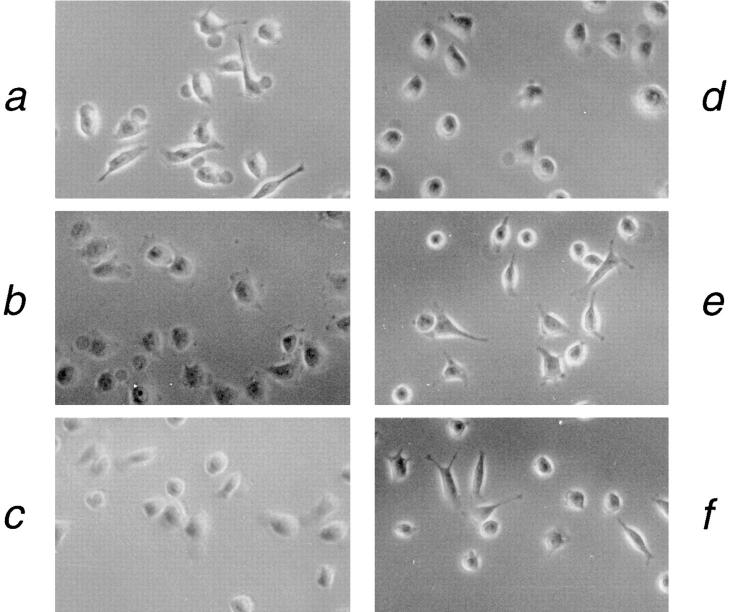
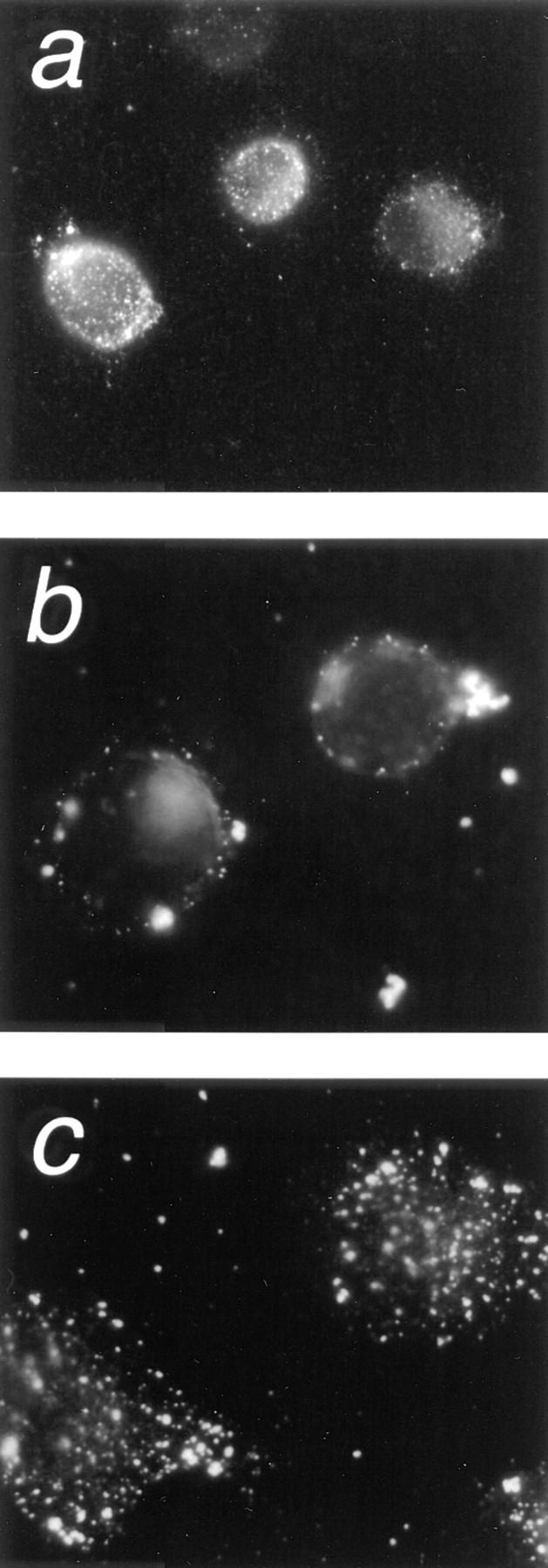
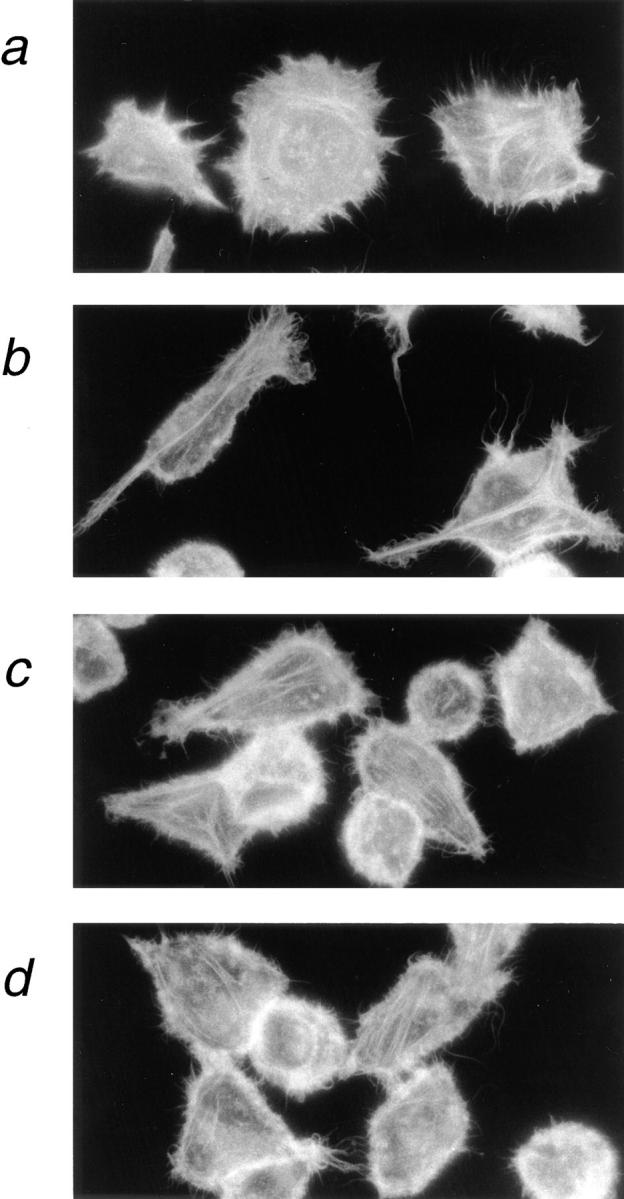
Leukocyte antigen-related protein (LAR) is a prototype for a family of transmembrane protein tyrosine phosphatases whose extracellular domain is composed of three Ig and several fibronectin type III (FnIII) domains. Complex alternative splicing of the LAR-FnIII domains 4-8 has been observed. The extracellular matrix laminin-nidogen complex was identified as a ligand for the LAR-FnIII domain 5 (Fn5) using a series of GST-LAR-FnIII domain fusion proteins and testing them in in vitro ligand-binding assays. LAR- laminin-nidogen binding was regulated by alternative splicing of a small exon within the LAR-Fn5 so that inclusion of this exon sequence resulted in disruption of the laminin-nidogen-binding activity. Long cellular processes were observed when HeLa cells were plated on laminin-nidogen, but not when plated on a fibronectin surface. Indirect immunofluorescent antibody staining revealed high expression of LAR in a punctate pattern, throughout the length of these cellular processes observed on laminin-nidogen. Antibody-induced cross-linking of LAR inhibited formation of these cellular processes, and inhibition was correlated with changes in cellular actin cytoskeletal structure. Thus, LAR-laminin-nidogen binding may play a role in regulating cell signaling induced by laminin-nidogen, resulting in cell morphological changes.
白细胞抗原相关蛋白(LAR)是一类跨膜蛋白酪氨酸磷酸酶家族的原型,其胞外结构域由三个免疫球蛋白(Ig)和几个纤连蛋白III型(FnIII)结构域组成。已观察到LAR-FnIII结构域4-8存在复杂的可变剪接。利用一系列谷胱甘肽S-转移酶(GST)-LAR-FnIII结构域融合蛋白,并在体外配体结合试验中对其进行测试,确定细胞外基质层粘连蛋白-巢蛋白复合物是LAR-FnIII结构域5(Fn5)的配体。LAR与层粘连蛋白-巢蛋白的结合受LAR-Fn5内一个小外显子可变剪接的调控,因此该外显子序列的包含会导致层粘连蛋白-巢蛋白结合活性的破坏。当HeLa细胞接种在层粘连蛋白-巢蛋白上时可观察到长的细胞突起,而接种在纤连蛋白表面时则没有。间接免疫荧光抗体染色显示,在层粘连蛋白-巢蛋白上观察到的这些细胞突起的全长中,LAR以点状模式高表达。抗体诱导的LAR交联抑制了这些细胞突起的形成,并且抑制作用与细胞肌动蛋白细胞骨架结构的变化相关。因此,LAR与层粘连蛋白-巢蛋白的结合可能在调节由层粘连蛋白-巢蛋白诱导的细胞信号传导中发挥作用,从而导致细胞形态变化。