Molloy S S, Thomas L, Kamibayashi C, Mumby M C, Thomas G
Vollum Institute, Oregon Health Sciences University, Portland, Oregon 97201, USA.
J Cell Biol. 1998 Sep 21;142(6):1399-411. doi: 10.1083/jcb.142.6.1399.
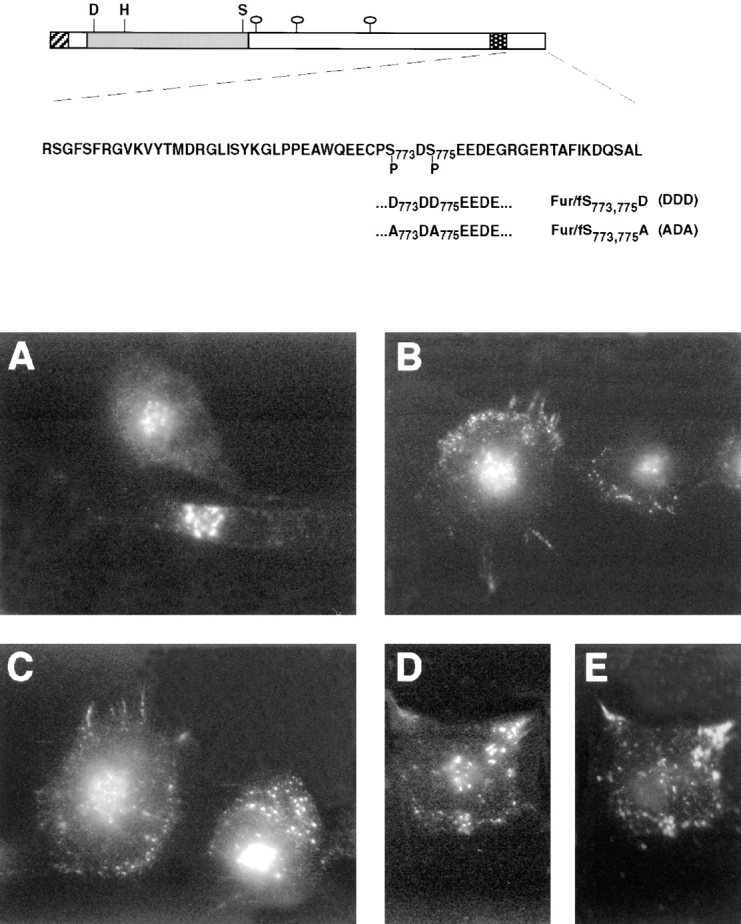
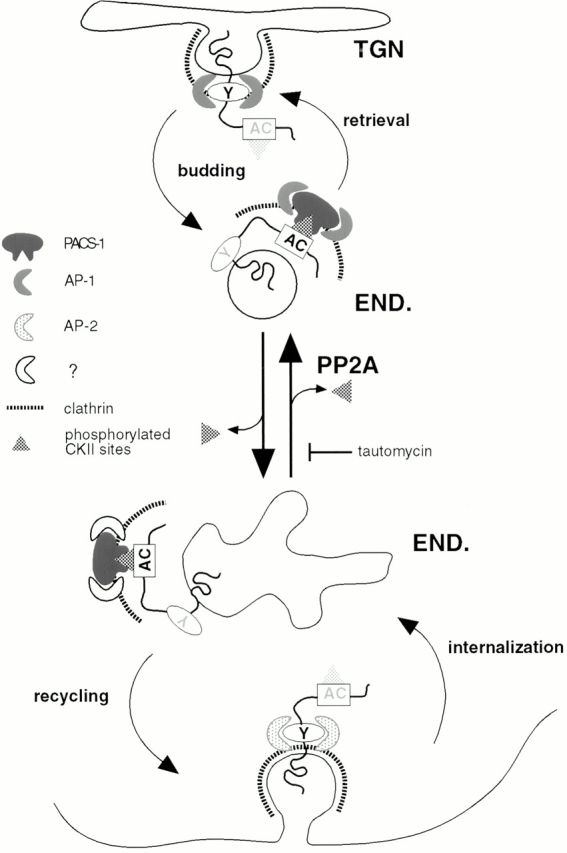
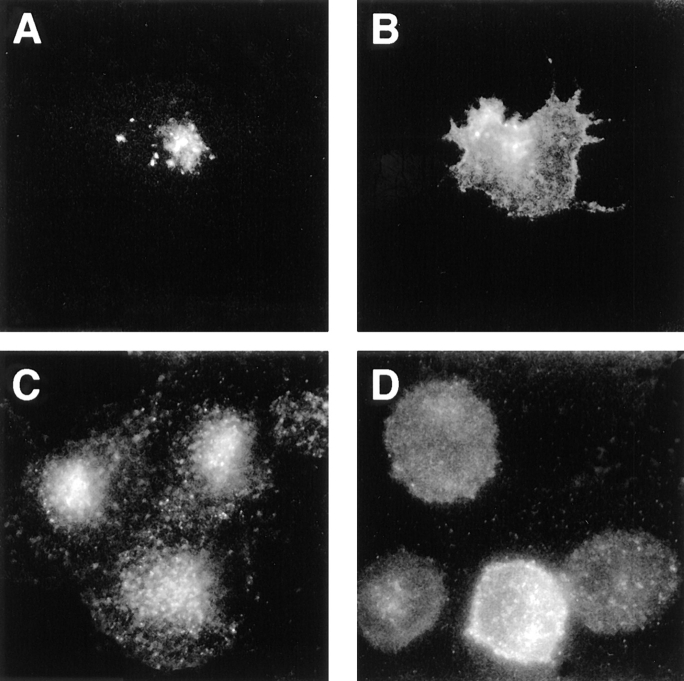
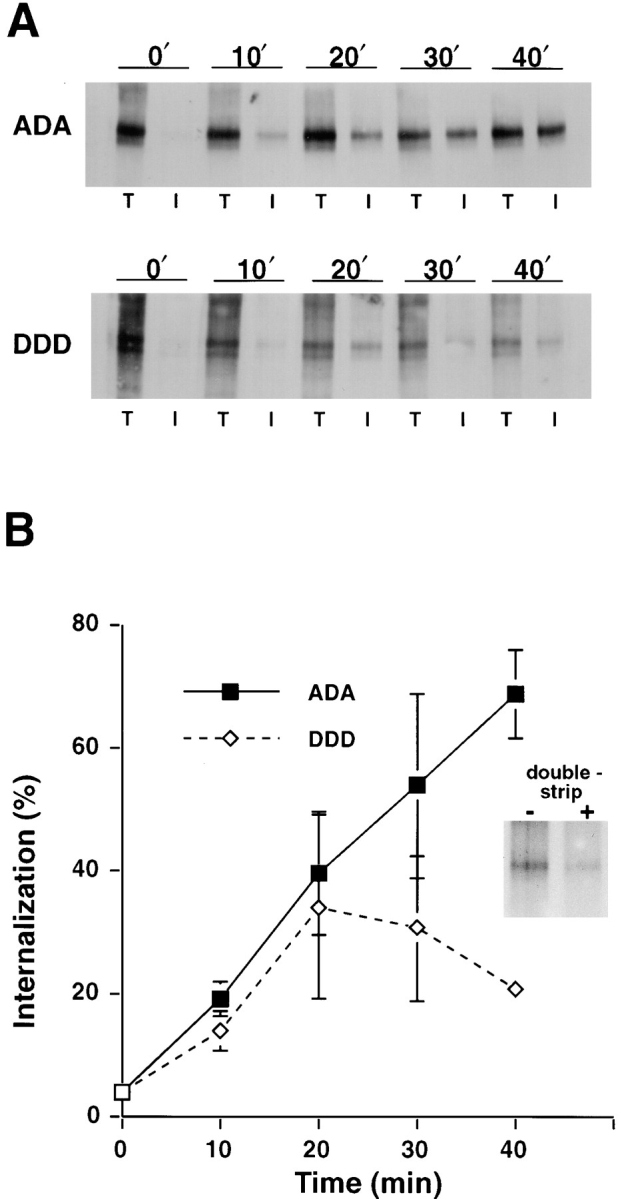
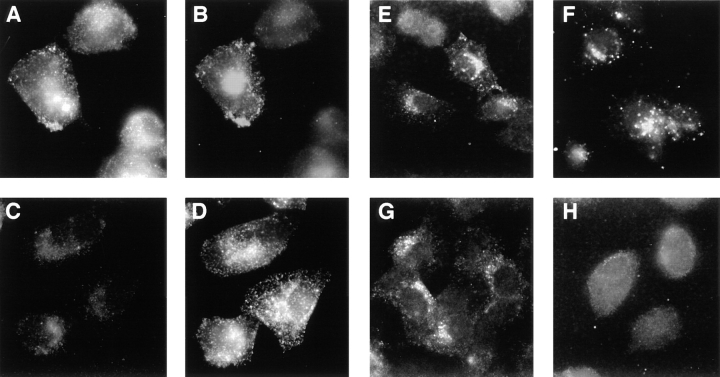
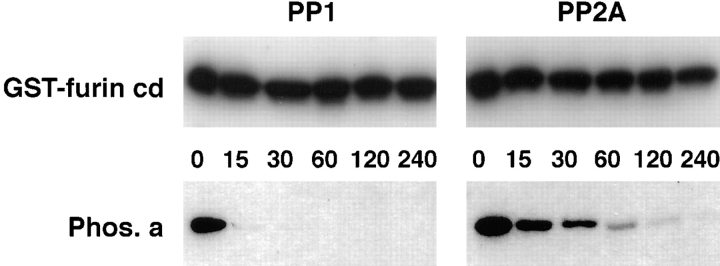
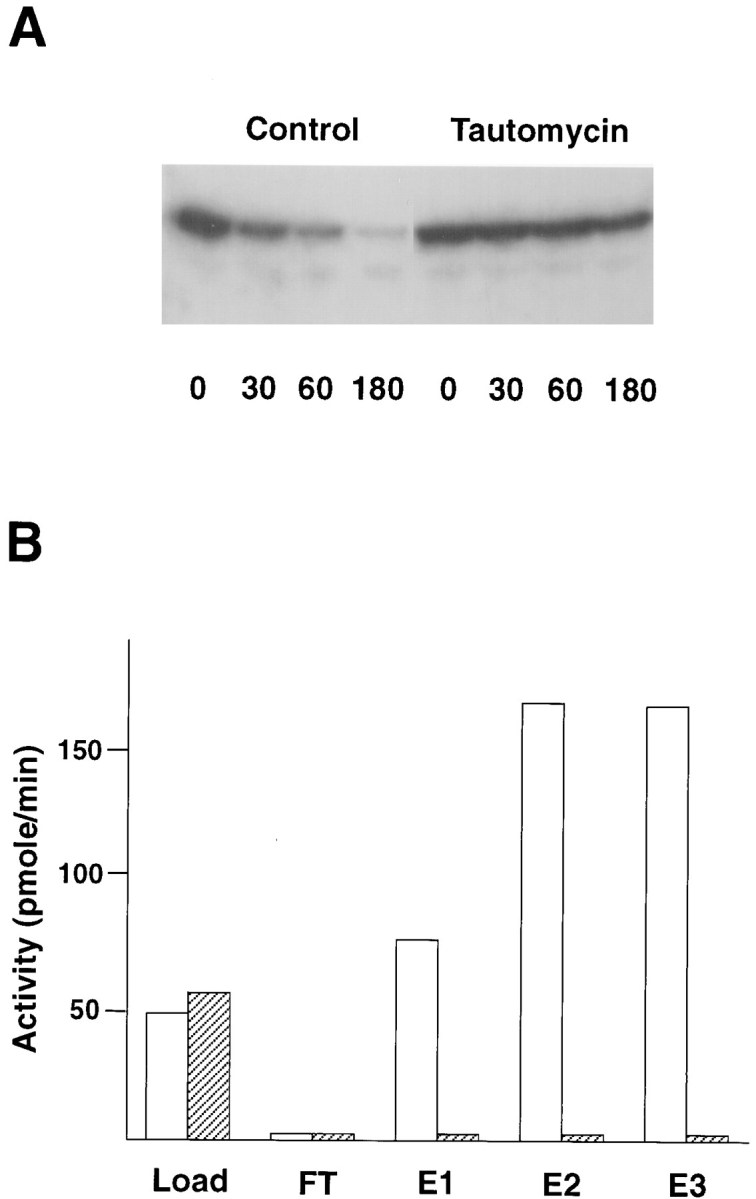
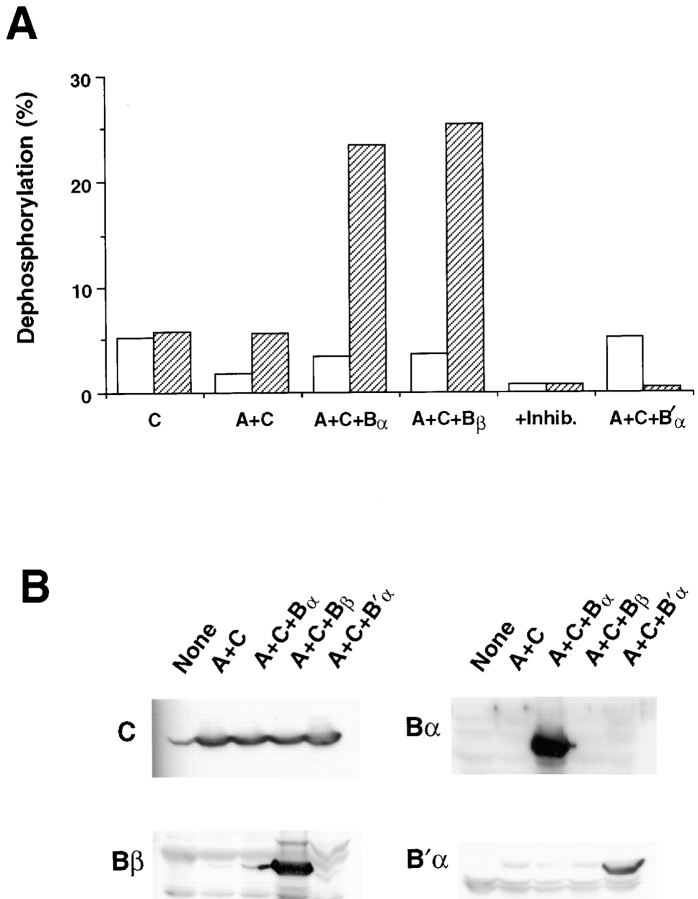
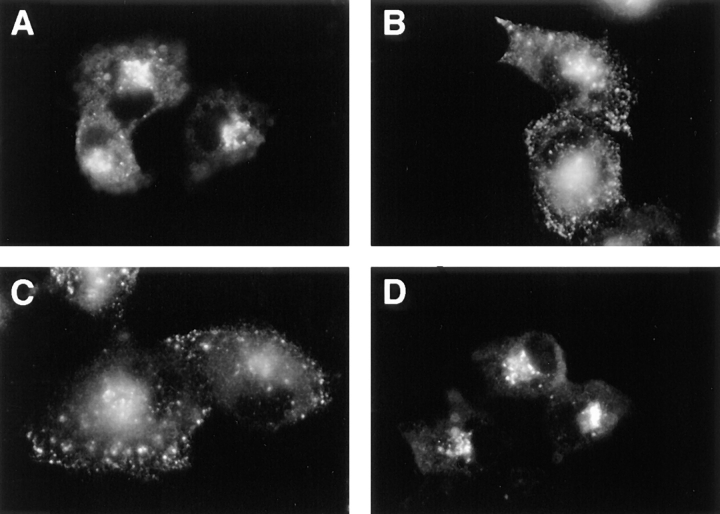
The regulated sorting of proteins within the trans-Golgi network (TGN)/endosomal system is a key determinant of their biological activity in vivo. For example, the endoprotease furin activates of a wide range of proproteins in multiple compartments within the TGN/endosomal system. Phosphorylation of its cytosolic domain by casein kinase II (CKII) promotes the localization of furin to the TGN and early endosomes whereas dephosphorylation is required for efficient transport between these compartments (Jones, B.G., L. Thomas, S.S. Molloy, C.D. Thulin, M.D. Fry, K.A. Walsh, and G. Thomas. 1995. EMBO [Eur. Mol. Biol. Organ.] J. 14:5869-5883). Here we show that phosphorylated furin molecules internalized from the cell surface are retained in a local cycling loop between early endosomes and the plasma membrane. This cycling loop requires the phosphorylation state-dependent furin-sorting protein PACS-1, and mirrors the trafficking pathway described recently for the TGN localization of furin (Wan, L., S.S. Molloy, L. Thomas, G. Liu, Y. Xiang, S.L. Ryback, and G. Thomas. 1998. Cell. 94:205-216). We also demonstrate a novel role for protein phosphatase 2A (PP2A) in regulating protein localization in the TGN/endosomal system. Using baculovirus recombinants expressing individual PP2A subunits, we show that the dephosphorylation of furin in vitro requires heterotrimeric phosphatase containing B family regulatory subunits. The importance of this PP2A isoform in directing the routing of furin from early endosomes to the TGN was established using SV-40 small t antigen as a diagnostic tool in vivo. The role of both CKII and PP2A in controlling multiple sorting steps in the TGN/endosomal system indicates that the distribution of itinerant membrane proteins may be acutely regulated via signal transduction pathways.
反式高尔基体网络(TGN)/内体系统中蛋白质的有序分选是其在体内生物学活性的关键决定因素。例如,内切蛋白酶弗林蛋白酶可激活TGN/内体系统多个区室中的多种前体蛋白。酪蛋白激酶II(CKII)对其胞质结构域的磷酸化促进了弗林蛋白酶定位于TGN和早期内体,而在这些区室之间进行有效转运则需要去磷酸化(Jones, B.G., L. Thomas, S.S. Molloy, C.D. Thulin, M.D. Fry, K.A. Walsh, and G. Thomas. 1995. EMBO [Eur. Mol. Biol. Organ.] J. 14:5869 - 5883)。在此我们表明,从细胞表面内化的磷酸化弗林蛋白酶分子保留在早期内体与质膜之间的局部循环环中。这个循环环需要磷酸化状态依赖性的弗林蛋白酶分选蛋白PACS - 1,并且反映了最近描述的弗林蛋白酶TGN定位的运输途径(Wan, L., S.S. Molloy, L. Thomas, G. Liu, Y. Xiang, S.L. Ryback, and G. Thomas. 1998. Cell. 94:205 - 216)。我们还证明了蛋白磷酸酶2A(PP2A)在调节TGN/内体系统中蛋白质定位方面的新作用。使用表达单个PP2A亚基的杆状病毒重组体,我们表明体外弗林蛋白酶的去磷酸化需要含有B家族调节亚基的异三聚体磷酸酶。使用SV - 40小t抗原作为体内诊断工具,确定了这种PP2A同工型在指导弗林蛋白酶从早期内体到TGN的转运中的重要性。CKII和PP2A在控制TGN/内体系统中的多个分选步骤中的作用表明,循环膜蛋白的分布可能通过信号转导途径受到严格调控。