Siddhanta U, McIlroy J, Shah A, Zhang Y, Backer J M
Department of Molecular Pharmacology, Albert Einstein College of Medicine, Bronx, New York 10461, USA.
J Cell Biol. 1998 Dec 14;143(6):1647-59. doi: 10.1083/jcb.143.6.1647.
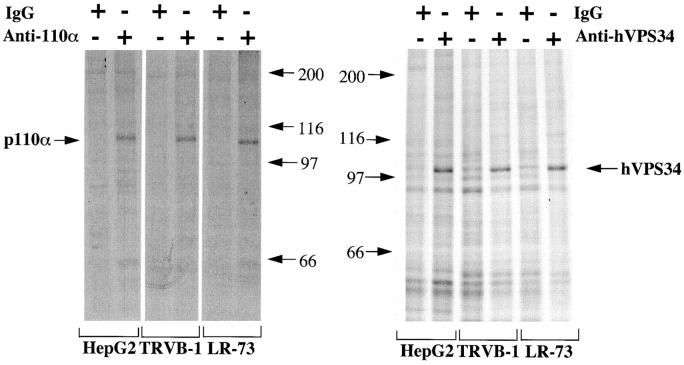
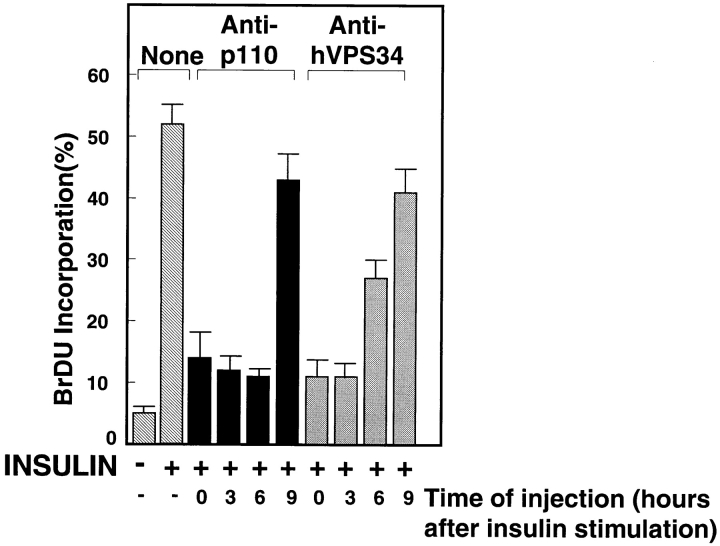
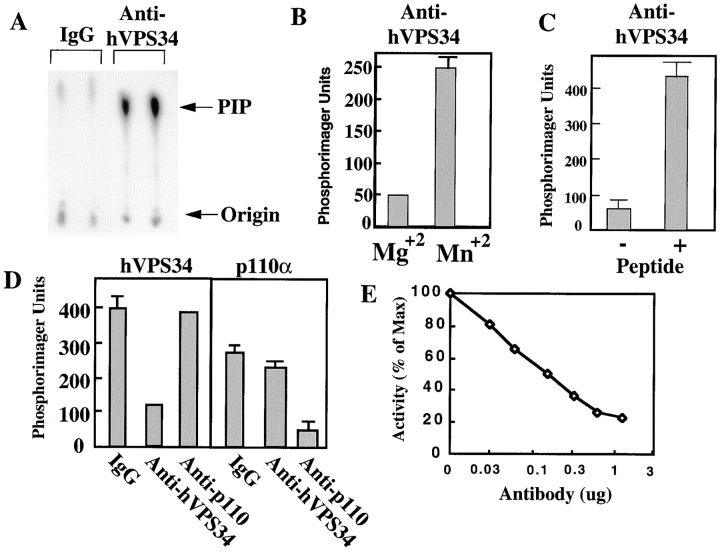
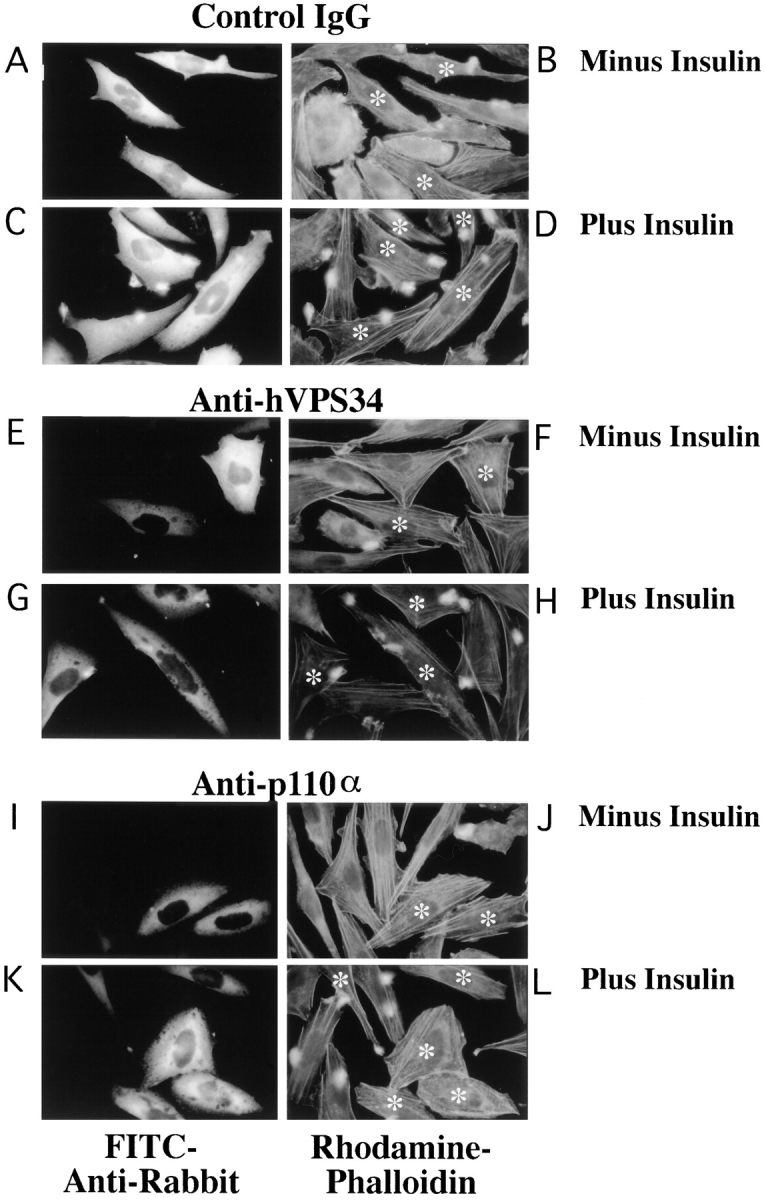
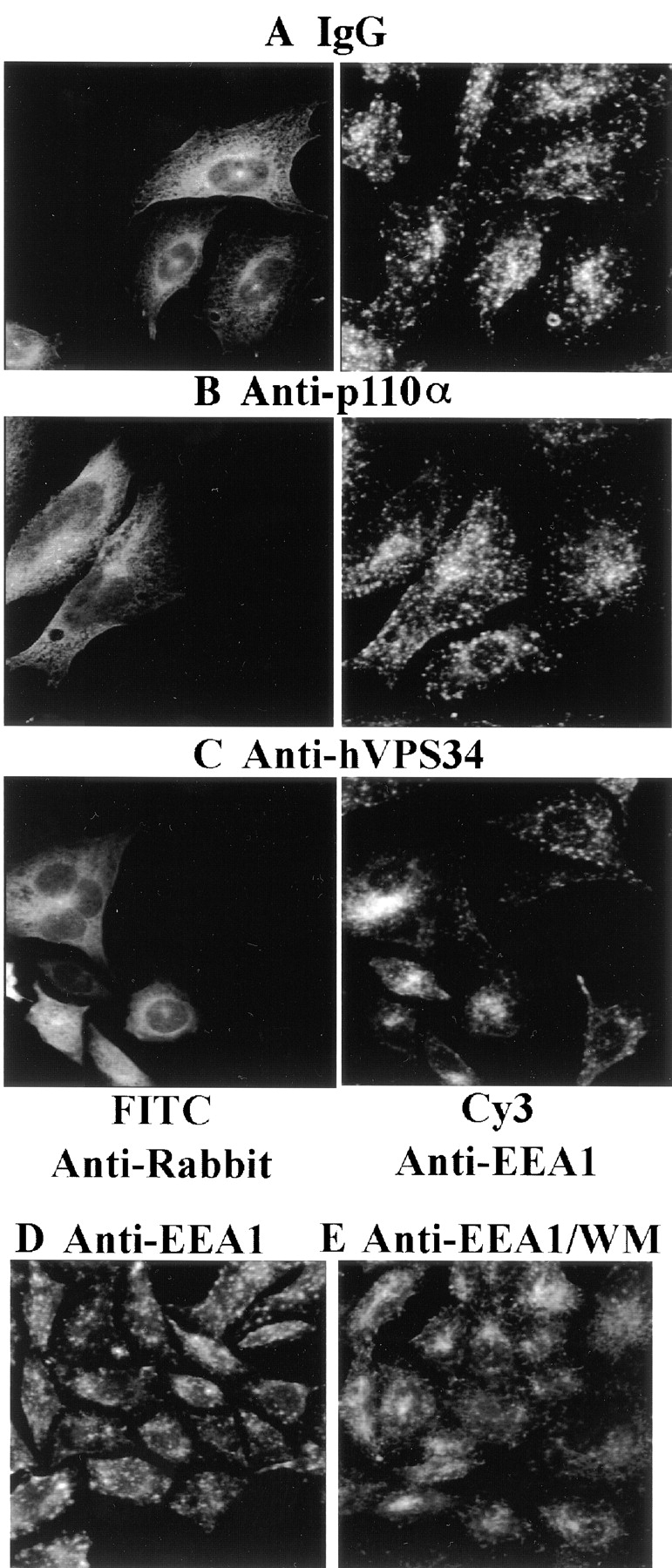
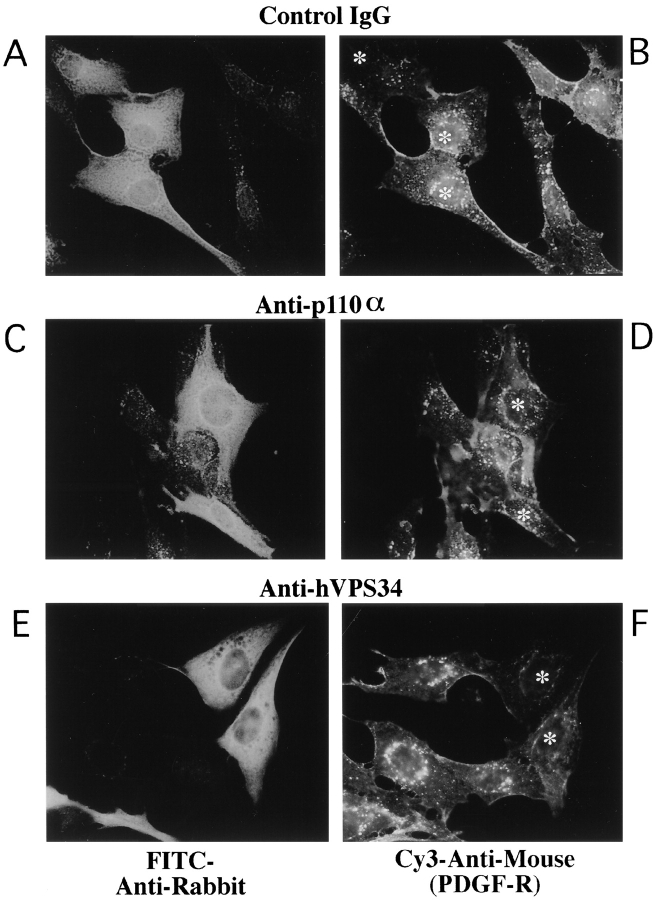
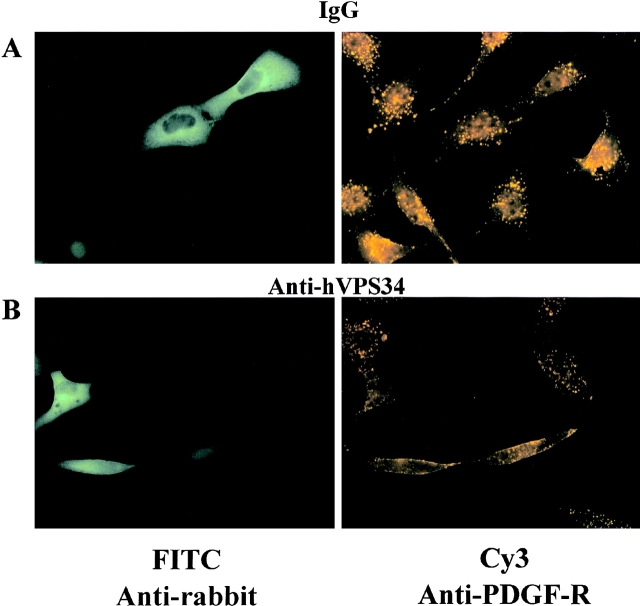
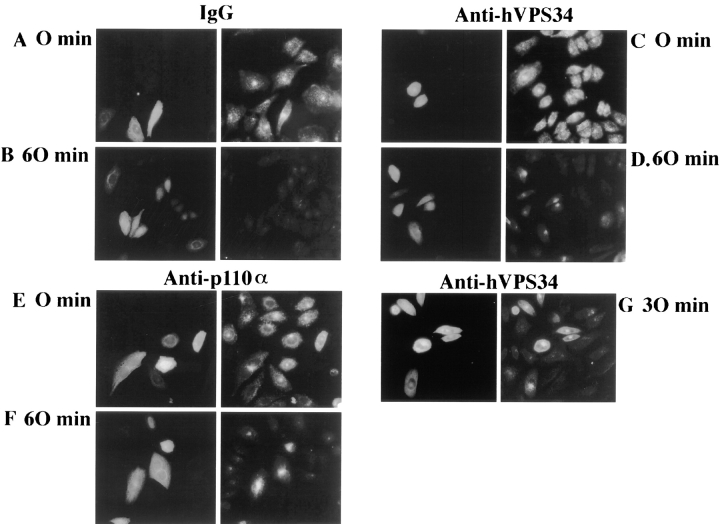
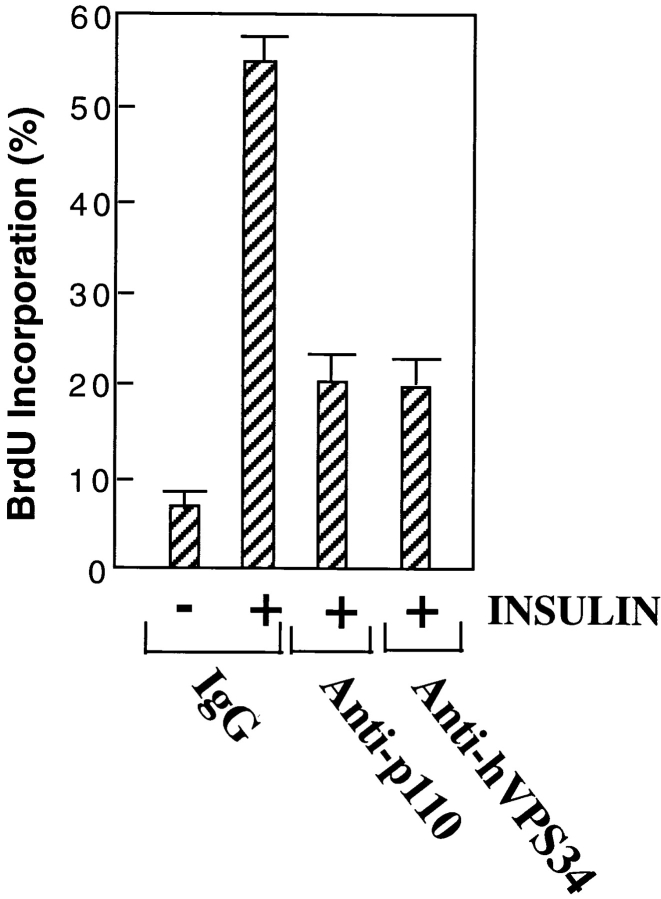
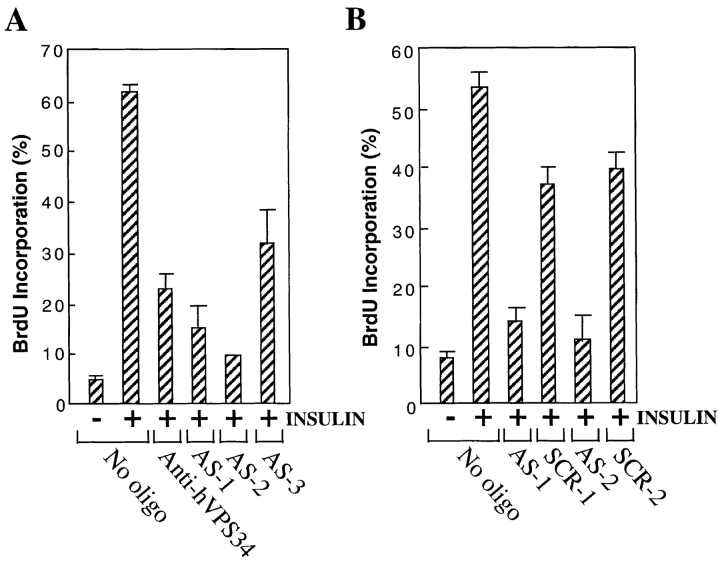
We have examined the roles of the p85/ p110alpha and hVPS34 phosphatidylinositol (PI) 3'-kinases in cellular signaling using inhibitory isoform-specific antibodies. We raised anti-hVPS34 and anti-p110alpha antibodies that specifically inhibit recombinant hVPS34 and p110alpha, respectively, in vitro. We used the antibodies to study cellular processes that are sensitive to low-dose wortmannin. The antibodies had distinct effects on the actin cytoskeleton; microinjection of anti-p110alpha antibodies blocked insulin-stimulated ruffling, whereas anti-hVPS34 antibodies had no effect. The antibodies also had different effects on vesicular trafficking. Microinjection of inhibitory anti-hVPS34 antibodies, but not anti-p110alpha antibodies, blocked the transit of internalized PDGF receptors to a perinuclear compartment, and disrupted the localization of the early endosomal protein EEA1. Microinjection of anti-p110alpha antibodies, and to a lesser extent anti-hVPS34 antibodies, reduced the rate of transferrin recycling in CHO cells. Surprisingly, both antibodies inhibited insulin-stimulated DNA synthesis by 80%. Injection of cells with antisense oligonucleotides derived from the hVPS34 sequence also blocked insulin-stimulated DNA synthesis, whereas scrambled oligonucleotides had no effect. Interestingly, the requirement for p110alpha and hVPS34 occurred at different times during the G1-S transition. Our data suggest that different PI 3'-kinases play distinct regulatory roles in the cell, and document an unexpected role for hVPS34 during insulin-stimulated mitogenesis.
我们使用抑制性亚型特异性抗体研究了p85/p110α和hVPS34磷脂酰肌醇(PI)3'-激酶在细胞信号传导中的作用。我们制备了抗hVPS34和抗p110α抗体,它们在体外分别特异性抑制重组hVPS34和p110α。我们使用这些抗体研究对低剂量渥曼青霉素敏感的细胞过程。这些抗体对肌动蛋白细胞骨架有不同影响;显微注射抗p110α抗体可阻断胰岛素刺激的 ruffling,而抗hVPS34抗体则无作用。这些抗体对囊泡运输也有不同影响。显微注射抑制性抗hVPS34抗体而非抗p110α抗体,可阻断内化的血小板衍生生长因子(PDGF)受体向核周区室的转运,并破坏早期内体蛋白EEA1的定位。显微注射抗p110α抗体以及程度较轻的抗hVPS34抗体,可降低CHO细胞中转铁蛋白循环的速率。令人惊讶的是,两种抗体均抑制胰岛素刺激的DNA合成达80%。用源自hVPS34序列的反义寡核苷酸注射细胞也可阻断胰岛素刺激的DNA合成,而乱序寡核苷酸则无作用。有趣的是,在G1-S转换过程中,对p110α和hVPS34的需求发生在不同时间。我们的数据表明,不同的PI 3'-激酶在细胞中发挥不同的调节作用,并证明了hVPS34在胰岛素刺激的有丝分裂过程中具有意想不到的作用。