Schultze J L, Michalak S, Lowne J, Wong A, Gilleece M H, Gribben J G, Nadler L M
Department of Adult Oncology, Dana-Farber Cancer Institute, Department of Medicine, Brigham and Women's Hospital and Harvard Medical School, Boston, Massachusetts 02115, USA.
J Exp Med. 1999 Jan 4;189(1):1-12. doi: 10.1084/jem.189.1.1.
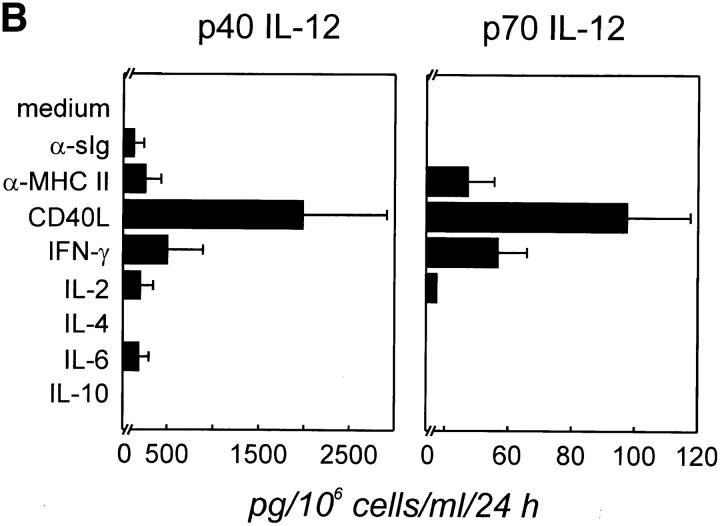
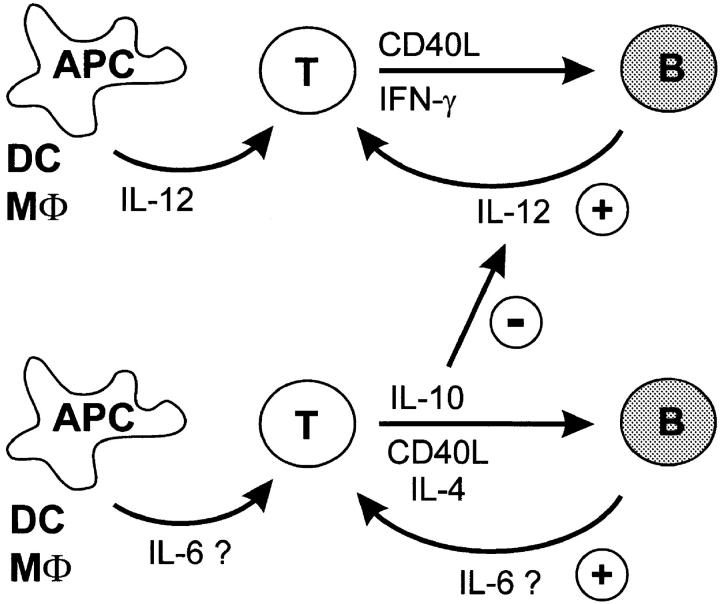
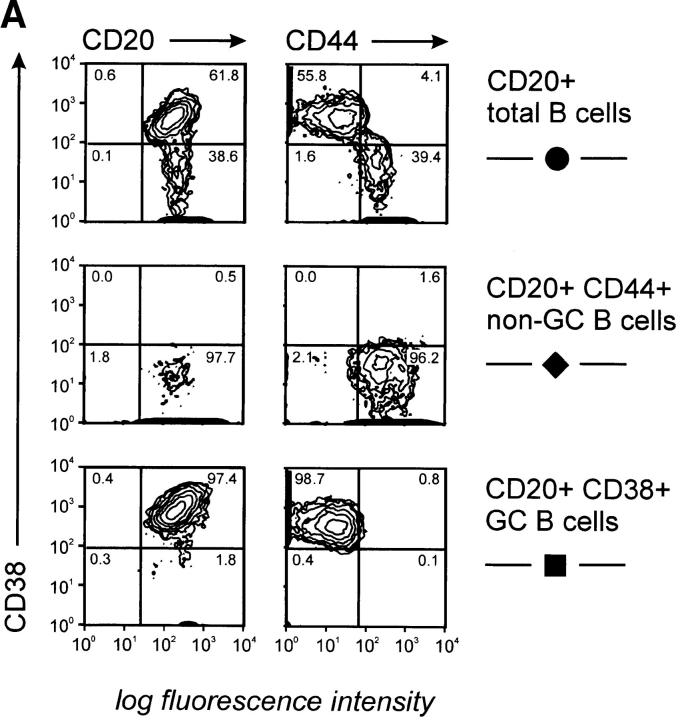
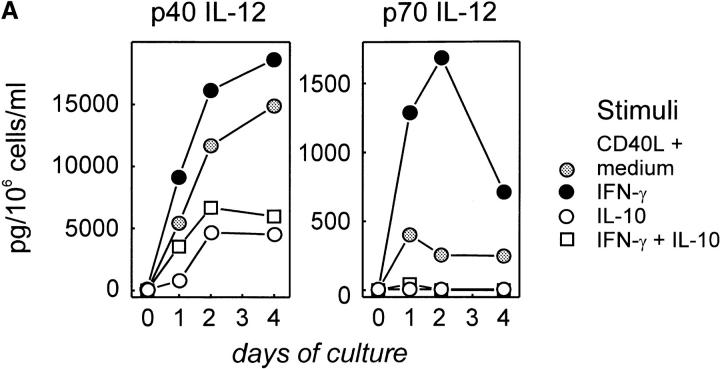
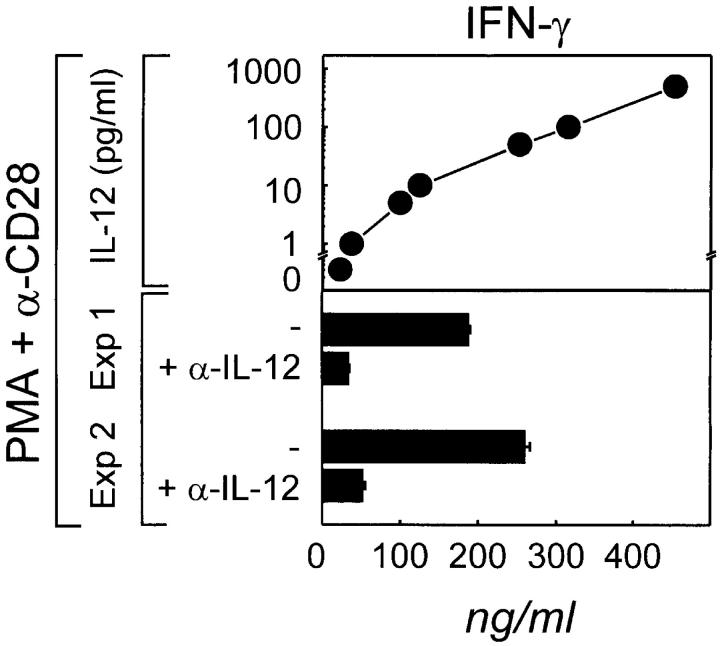
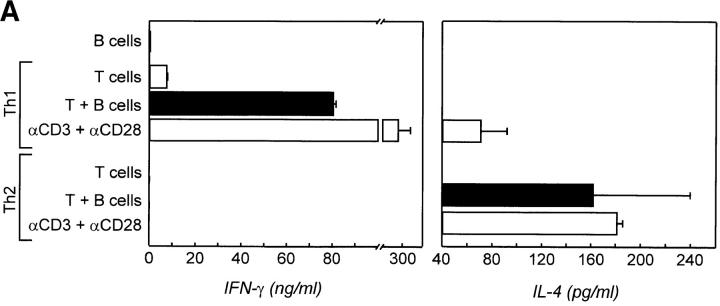
Interleukin (IL)-12 is expressed mainly in antigen-presenting cells after challenge with microbial material or after CD40 activation. Although IL-12 was cloned from human Epstein-Barr virus (EBV)-transformed B cell lines, surprisingly, CD40 ligation on murine B cells did not lead to IL-12 production, suggesting that murine B cells do not produce IL-12. Here we demonstrate that a subset of human tonsillar B cells can be induced to express and secrete bioactive IL-12. The major stimulus to produce IL-12 in human B cells was CD40 ligation. In contrast, B cell receptor cross-linking did not induce IL-12. Expression of IL-12 after CD40 activation was restricted to CD38(-)IgD+/- non-germinal center (non-GC) B cells. CD40 ligation and interferon (IFN)-gamma exhibited synergistic effects on IL-12 production, whereas IL-10 abrogated and IL-4 significantly inhibited IL-12 production by these B cells. In contrast to IL-12, production of IL-6 is conversely regulated, leading to significant increase after CD40 ligation in the presence of the T helper type 2 (Th2) cytokine IL-4. Cord blood T cells skewed towards either a Th1 or a Th2 phenotype maintained their cytokine expression pattern when restimulated with allogeneic resting B cells. Blockade of CD40 and/or IL-12 during T-B interaction significantly reduced IFN-gamma production by the T cells. This suggests a model whereby B cells produce either IL-12 or IL-6 after contact with T cells previously differentiated towards Th1 or Th2. Furthermore, IL-12 and IL-6 might provide a positive feedback during cognate T-B interactions, thereby maintaining T cells' differentiation pattern during amplification of the immune response.
白细胞介素(IL)-12主要在受到微生物物质刺激或CD40激活后由抗原呈递细胞表达。尽管IL-12是从人EB病毒(EBV)转化的B细胞系中克隆出来的,但令人惊讶的是,鼠B细胞上的CD40连接并未导致IL-12产生,这表明鼠B细胞不产生IL-12。在此我们证明,人扁桃体B细胞的一个亚群可被诱导表达并分泌具有生物活性的IL-12。人B细胞产生IL-12的主要刺激因素是CD40连接。相比之下,B细胞受体交联不会诱导IL-12。CD40激活后IL-12的表达仅限于CD38(-)IgD+/-非生发中心(非GC)B细胞。CD40连接和干扰素(IFN)-γ对IL-12产生具有协同作用,而IL-10可消除IL-12产生,IL-4则显著抑制这些B细胞产生IL-12。与IL-12相反,IL-6的产生受到相反调节,在存在2型辅助性T细胞(Th2)细胞因子IL-4的情况下,CD40连接后IL-6会显著增加。偏向Th1或Th2表型的脐血T细胞在用同种异体静止B细胞重新刺激时维持其细胞因子表达模式。T-B相互作用期间对CD40和/或IL-12的阻断显著降低了T细胞产生的IFN-γ。这提示了一种模型,即B细胞在与先前分化为Th1或Th2的T细胞接触后产生IL-12或IL-6。此外,IL-12和IL-6可能在同源T-B相互作用期间提供正反馈,从而在免疫反应放大过程中维持T细胞的分化模式。