Proft T, Moffatt S L, Berkahn C J, Fraser J D
Department of Molecular Medicine, School of Medicine, University of Auckland, 92019 Auckland, New Zealand.
J Exp Med. 1999 Jan 4;189(1):89-102. doi: 10.1084/jem.189.1.89.
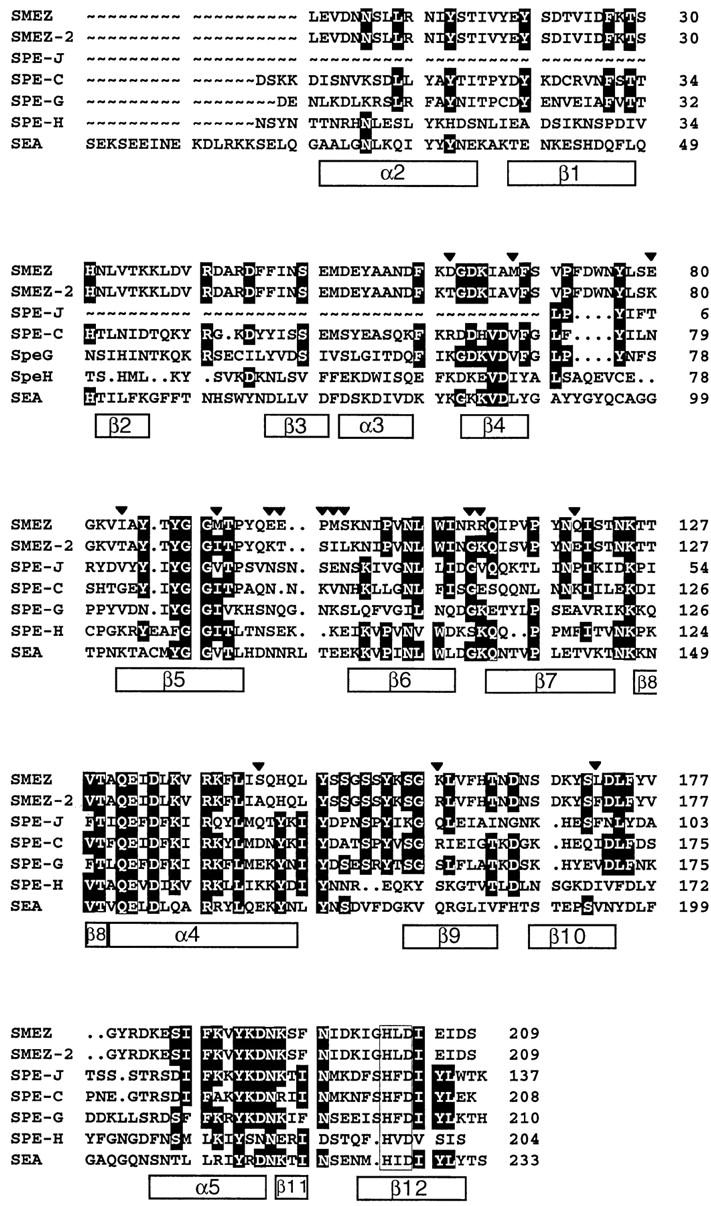
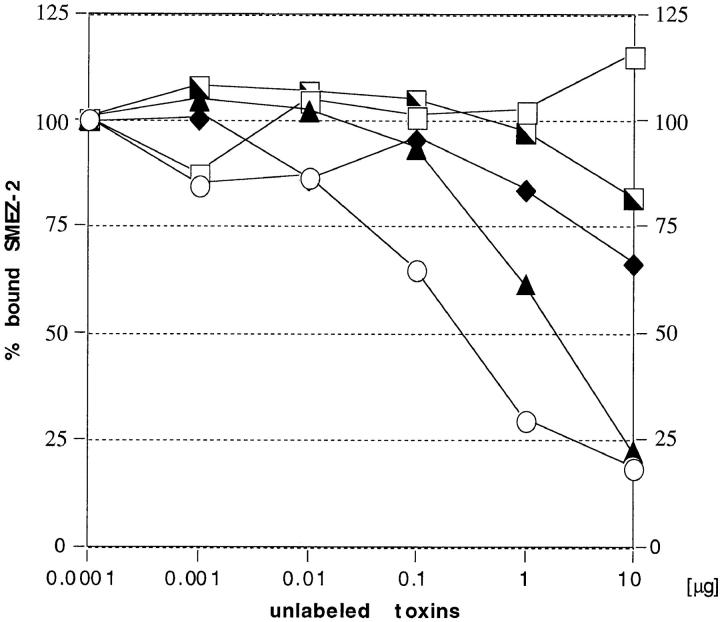
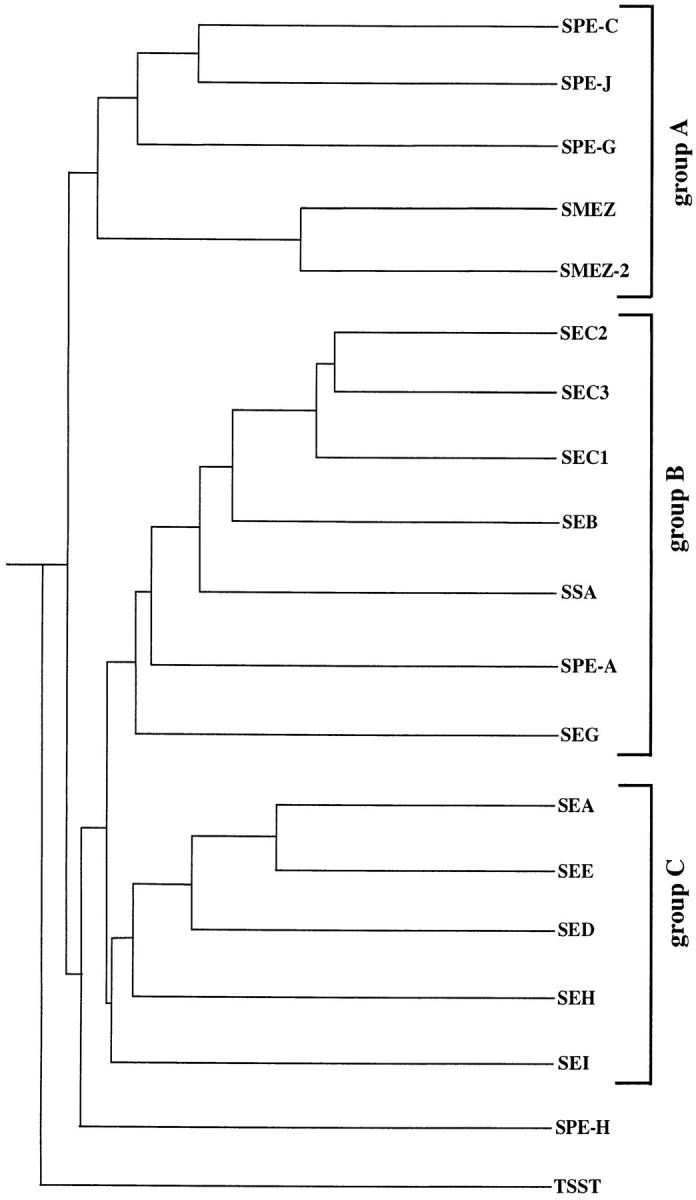
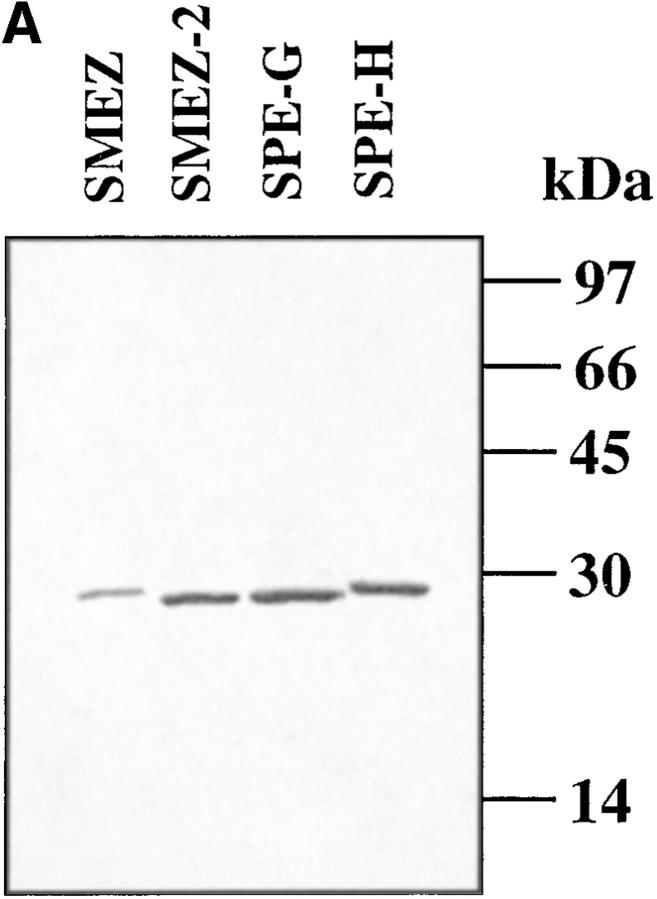
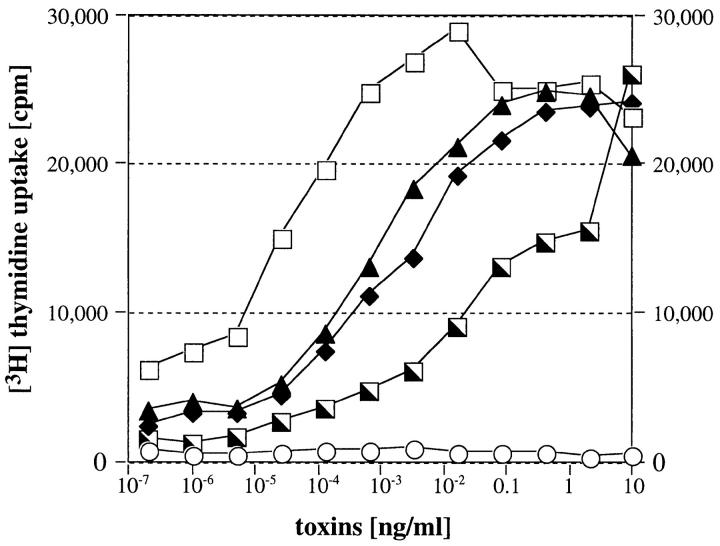
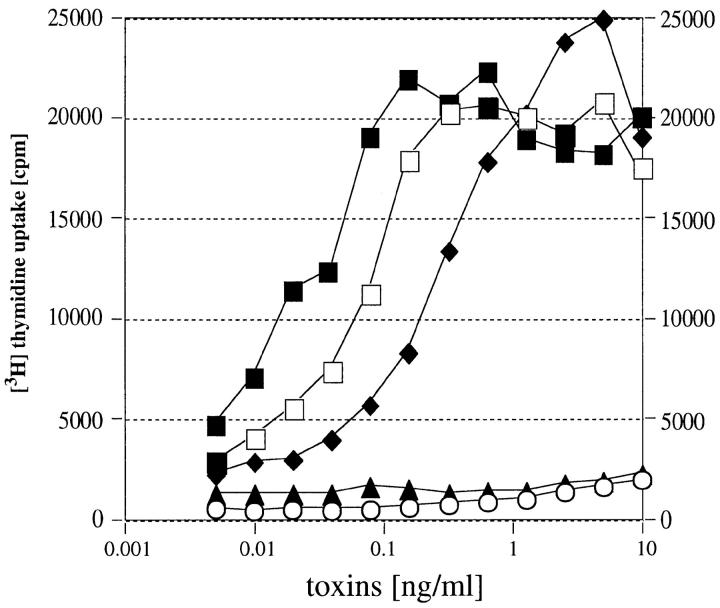
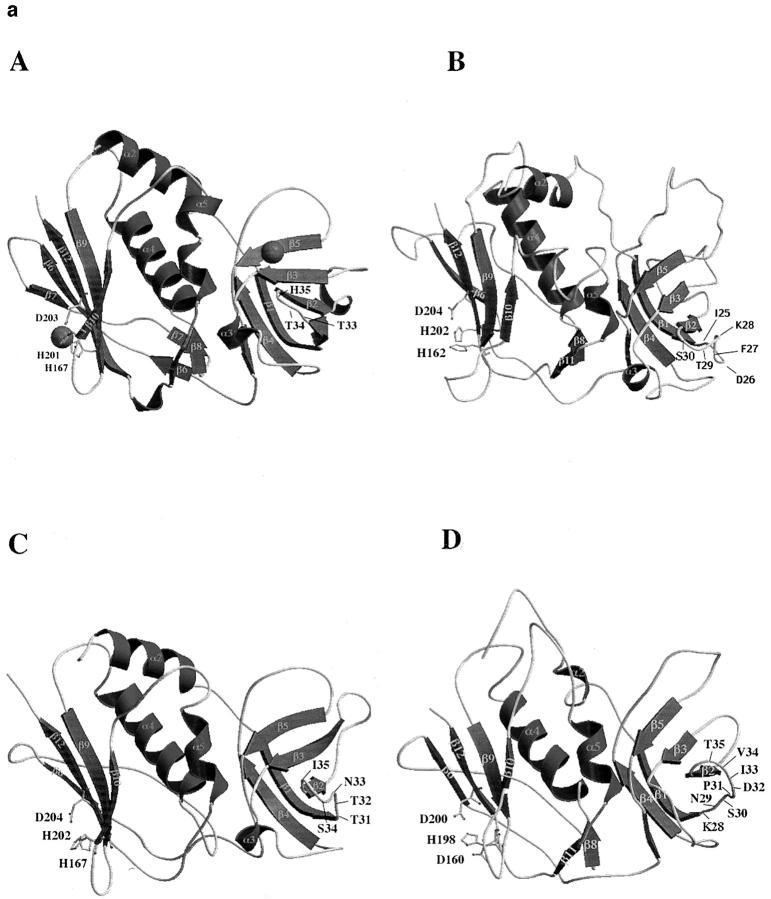
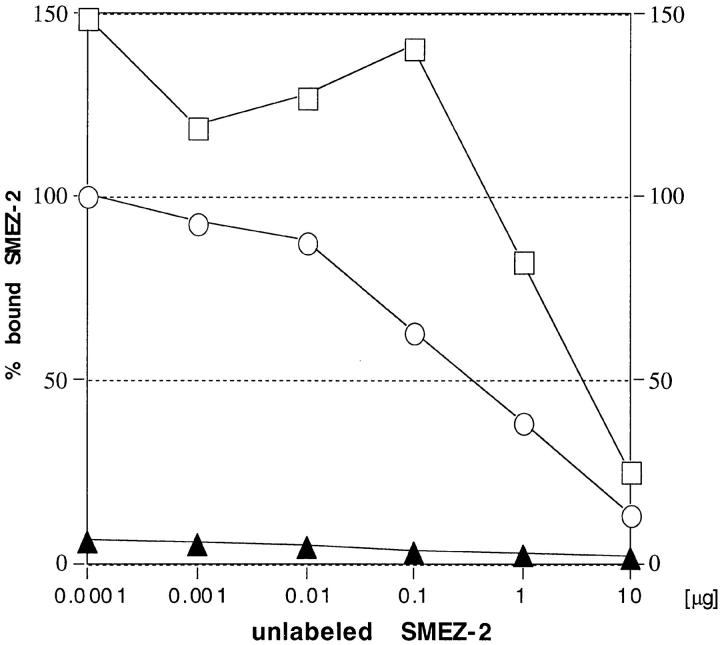
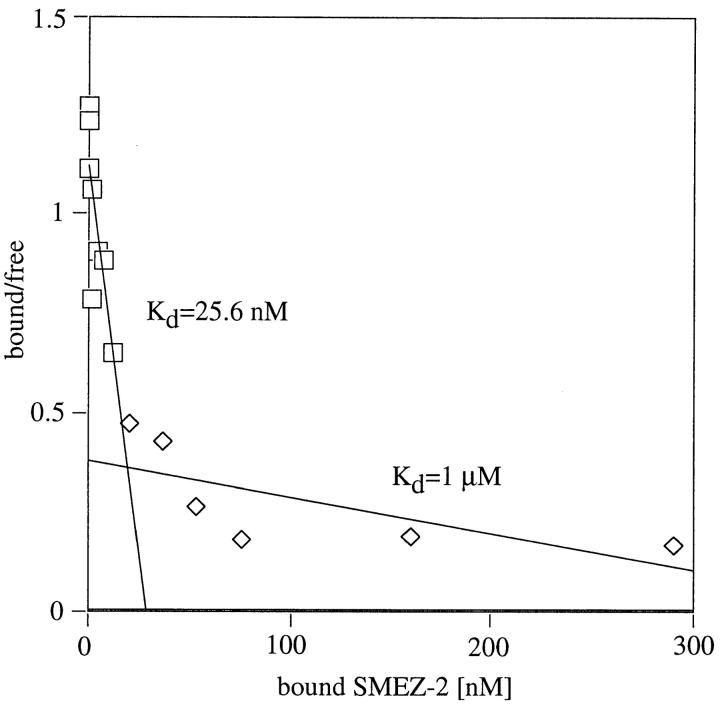
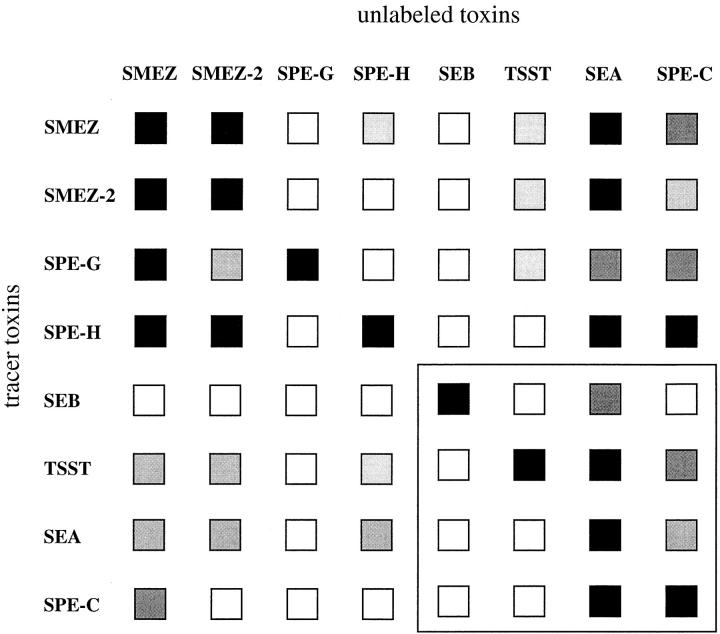
Three novel streptococcal superantigen genes (spe-g, spe-h, and spe-j) were identified from the Streptococcus pyogenes M1 genomic database at the University of Oklahoma. A fourth novel gene (smez-2) was isolated from the S. pyogenes strain 2035, based on sequence homology to the streptococcal mitogenic exotoxin z (smez) gene. SMEZ-2, SPE-G, and SPE-J are most closely related to SMEZ and streptococcal pyrogenic exotoxin (SPE)-C, whereas SPE-H is most similar to the staphylococcal toxins than to any other streptococcal toxin. Recombinant (r)SMEZ, rSMEZ-2, rSPE-G, and rSPE-H were mitogenic for human peripheral blood lymphocytes with half-maximal responses between 0.02 and 50 pg/ml (rSMEZ-2 and rSPE-H, respectively). SMEZ-2 is the most potent superantigen (SAg) discovered thus far. All toxins, except rSPE-G, were active on murine T cells, but with reduced potency. Binding to a human B-lymphoblastoid line was shown to be zinc dependent with high binding affinity of 15-65 nM. Evidence from modeled protein structures and competitive binding experiments suggest that high affinity binding of each toxin is to the major histocompatibility complex class II beta chain. Competition for binding between toxins was varied and revealed overlapping but discrete binding to subsets of class II molecules in the hierarchical order (SMEZ, SPE-C) > SMEZ-2 > SPE-H > SPE-G. The most common targets for the novel SAgs were human Vbeta2.1- and Vbeta4-expressing T cells. This might reflect a specific role for this subset of Vbetas in the immune defense of gram-positive bacteria.
从俄克拉荷马大学的化脓性链球菌M1基因组数据库中鉴定出三个新的链球菌超抗原基因(spe-g、spe-h和spe-j)。基于与链球菌促有丝分裂外毒素z(smez)基因的序列同源性,从化脓性链球菌2035菌株中分离出第四个新基因(smez-2)。SMEZ-2、SPE-G和SPE-J与SMEZ和链球菌热原性外毒素(SPE)-C关系最为密切,而SPE-H与葡萄球菌毒素的相似性高于任何其他链球菌毒素。重组(r)SMEZ、rSMEZ-2、rSPE-G和rSPE-H对人外周血淋巴细胞具有促有丝分裂作用,半数最大反应浓度在0.02至50 pg/ml之间(分别为rSMEZ-2和rSPE-H)。SMEZ-2是迄今为止发现的最有效的超抗原(SAg)。除rSPE-G外,所有毒素对小鼠T细胞均有活性,但效力降低。已证明与人类B淋巴母细胞系的结合是锌依赖性的,结合亲和力高,为15 - 65 nM。来自模拟蛋白质结构和竞争性结合实验的证据表明,每种毒素的高亲和力结合对象是主要组织相容性复合体II类β链。毒素之间的结合竞争各不相同,揭示了它们以(SMEZ、SPE-C)> SMEZ-2 > SPE-H > SPE-G的层次顺序与II类分子亚群发生重叠但离散的结合。这些新型SAg最常见的靶标是表达人Vbeta2.1和Vbeta4的T细胞。这可能反映了该Vbeta亚群在革兰氏阳性菌免疫防御中的特定作用。