Rosen D M, Lam A M, Carlton M A, Cario G M, McBride L
Sydney Women's Endosurgery Centre, St. George Private Hospital, NSW, Australia.
JSLS. 1998 Jan-Mar;2(1):25-9.
To compare the use of patient-controlled analgesia to intermittent intramuscular injections of morphine following major gynecological laparoscopic procedures in order to assess differences in level of pain, sedation, episodes of nausea and/or vomiting, hospitalization time and patient satisfaction with their postoperative analgesia.
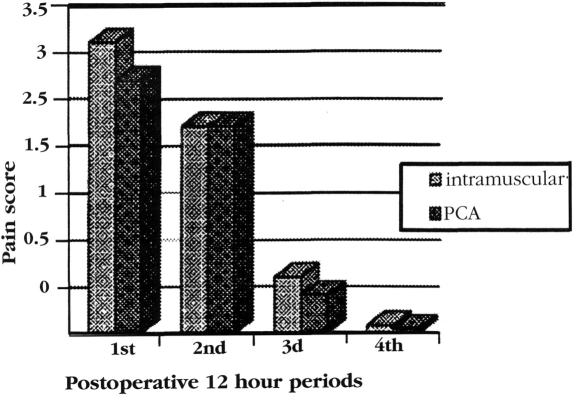
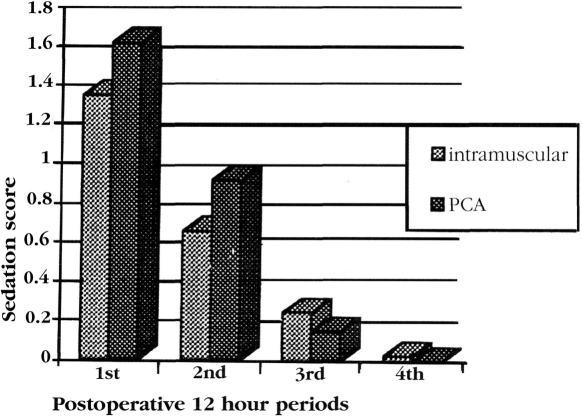
Seventy-two patients undergoing major gynecological laparoscopic surgery were randomized to receive either postoperative analgesia via intermittent intramuscular injection of morphine (Group 1) or patient controlled analgesia (PCA-Group 2). All patients received anesthesia via a standardized protocol. Postoperative pain levels were recorded via a 10 cm visual analogue scale, and sedation scores were recorded on a standard PCA form. Episodes of nausea and vomiting were also recorded on the same form.
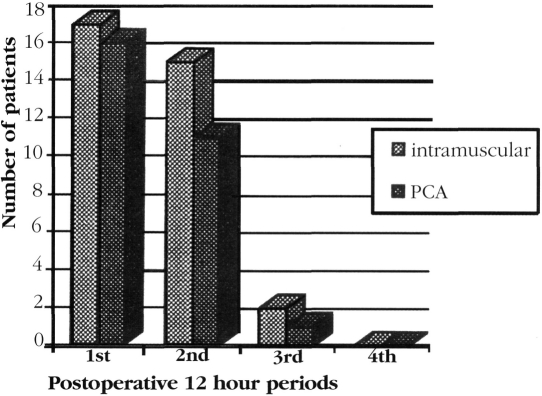
There were no statistically significant differences between intramuscular analgesia and PCA for any of the factors studied. Most significantly it was found that most patients ceased to require either form of parenteral analgesia within 24 hours of their procedure, regardless of the operating time.
It is important for the surgeon to be aware of the effects of postoperative analgesia on his or her patients' level of satisfaction. We do not recommend the use of PCA analgesia following major laparoscopic gynecological surgery.
比较在大型妇科腹腔镜手术后使用患者自控镇痛与间断肌内注射吗啡的情况,以评估疼痛程度、镇静程度、恶心和/或呕吐发作次数、住院时间以及患者对术后镇痛的满意度方面的差异。
72例行大型妇科腹腔镜手术的患者被随机分为两组,一组通过间断肌内注射吗啡进行术后镇痛(第1组),另一组采用患者自控镇痛(PCA,第2组)。所有患者均通过标准化方案接受麻醉。术后疼痛程度通过10厘米视觉模拟评分法记录,镇静评分在标准PCA表格上记录。恶心和呕吐发作次数也在同一张表格上记录。
在所研究的任何因素方面,肌内镇痛与PCA之间均无统计学显著差异。最显著的是,发现大多数患者在手术24小时内就不再需要任何一种形式的胃肠外镇痛,无论手术时间长短。
外科医生了解术后镇痛对患者满意度的影响很重要。我们不建议在大型妇科腹腔镜手术后使用PCA镇痛。