Xie H, Lim Y C, Luscinskas F W, Lichtman A H
Vascular Research Division, Department of Pathology, Brigham and Women's Hospital and Harvard Medical School, Boston, Massachusetts 02115, USA.
J Exp Med. 1999 Jun 7;189(11):1765-76. doi: 10.1084/jem.189.11.1765.
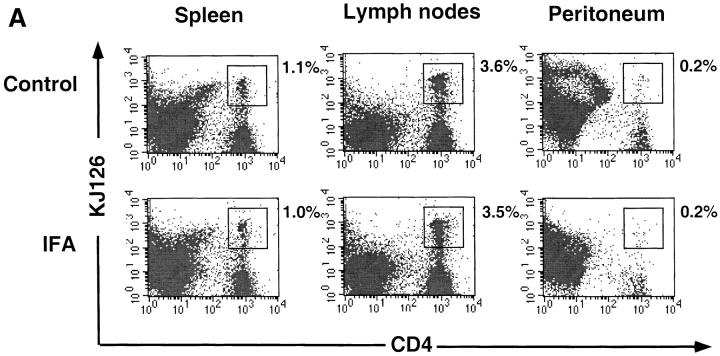
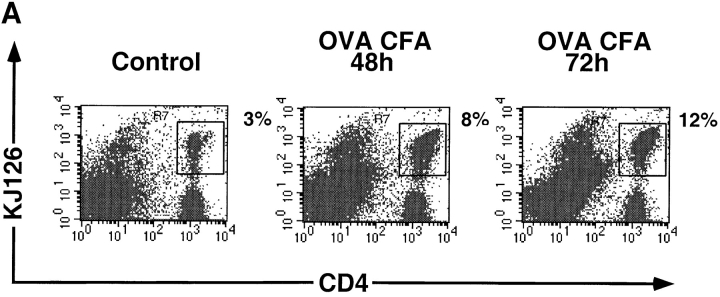
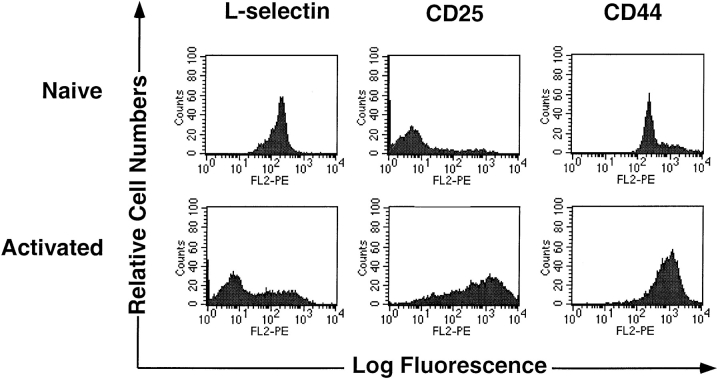
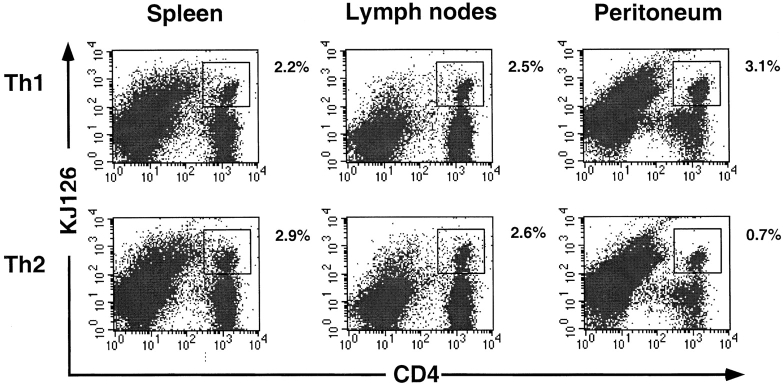
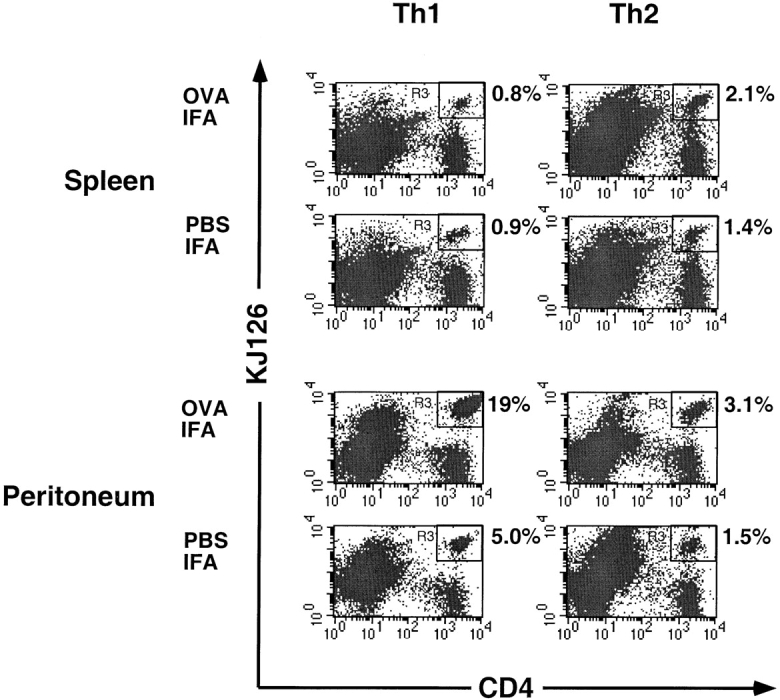
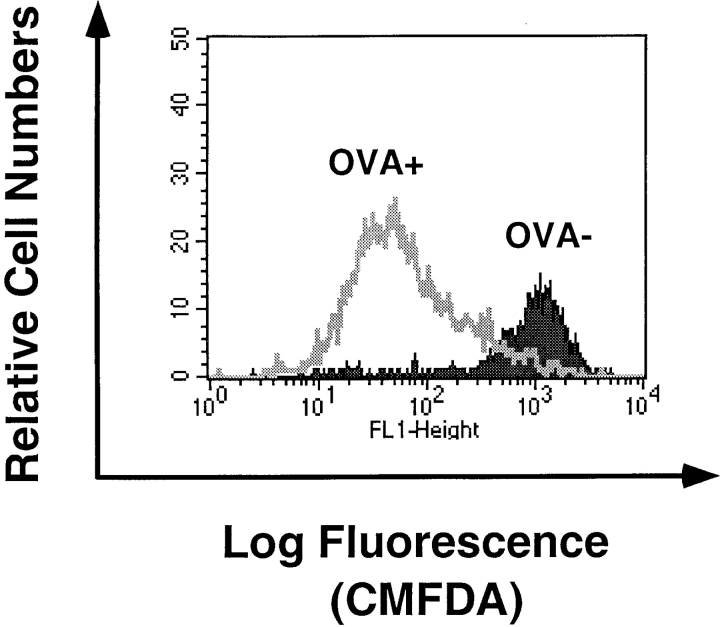
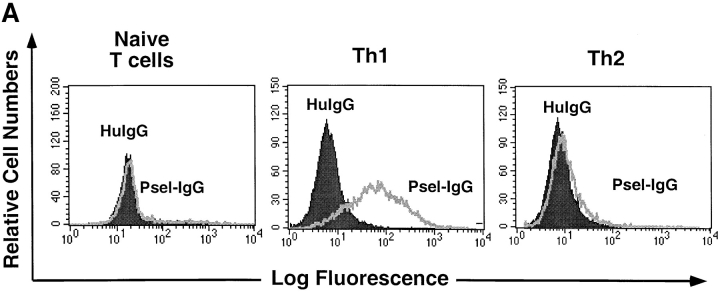
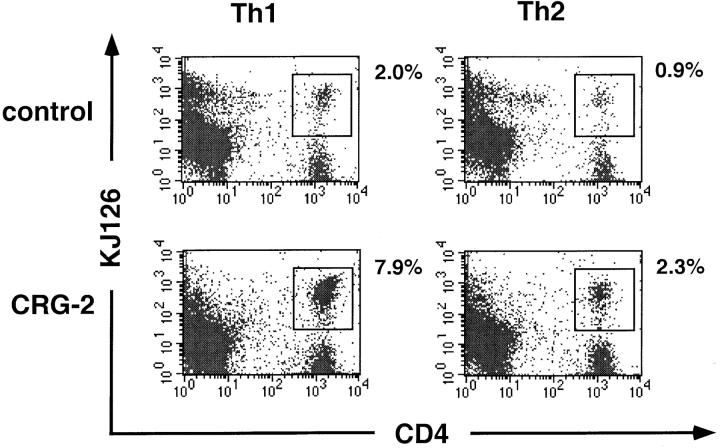
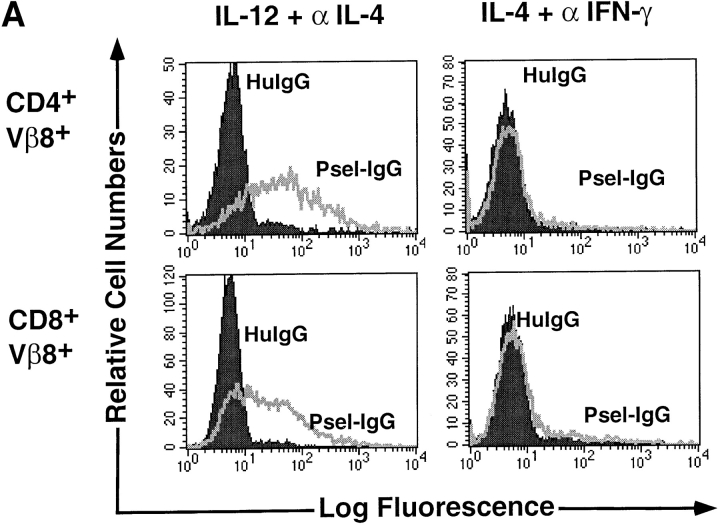
Different T cell subsets exhibit distinct capacities to migrate into peripheral sites of inflammation, and this may in part reflect differential expression of homing receptors and chemokine receptors. Using an adoptive transfer approach, we examined the ability of functionally distinct subsets of T cells to home to a peripheral inflammatory site. The data directly demonstrate the inability of naive T cells and the ability of effector cells to home to inflamed peritoneum. Furthermore, interleukin (IL)-12 directs the differentiation of either CD4(+) or CD8(+) T cells into effector populations that expresses functional E- and P-selectin ligand and that are preferentially recruited into the inflamed peritoneum compared with T cells differentiated in the presence of IL-4. Recruitment can be blocked by anti-E- and -P-selectin antibodies. The presence of antigen in the peritoneum promotes local proliferation of recruited T cells, and significantly amplifies the Th1 polarization of the lymphocytic infiltrate. Preferential recruitment of Th1 cells into the peritoneum is also seen when cytokine response gene 2 (CRG-2)/interferon gamma-inducible protein 10 (IP-10) is used as the sole inflammatory stimulus. We have also found that P-selectin binds only to antigen-specific T cells in draining lymph nodes after immunization, implying that both antigen- and cytokine-mediated signals are required for expression of functional selectin-ligand.
不同的T细胞亚群迁移至外周炎症部位的能力各不相同,这可能部分反映了归巢受体和趋化因子受体的差异表达。我们采用过继转移方法,研究了功能不同的T细胞亚群归巢至外周炎症部位的能力。数据直接表明,初始T细胞无法归巢至炎症腹膜,而效应细胞则具有这种能力。此外,白细胞介素(IL)-12可将CD4(+)或CD8(+) T细胞分化为效应细胞群体,这些细胞表达功能性E-选择素和P-选择素配体,与在IL-4存在下分化的T细胞相比,它们更易被招募至炎症腹膜。抗E-选择素和抗P-选择素抗体可阻断这种招募。腹膜中抗原的存在促进了招募的T细胞的局部增殖,并显著增强了淋巴细胞浸润的Th1极化。当细胞因子反应基因2(CRG-2)/干扰素γ诱导蛋白10(IP-10)用作唯一的炎症刺激物时,也可见Th1细胞优先被招募至腹膜。我们还发现,免疫后P-选择素仅与引流淋巴结中的抗原特异性T细胞结合,这意味着功能性选择素配体的表达需要抗原和细胞因子介导的信号。