Riley J L, Schlienger K, Blair P J, Carreno B, Craighead N, Kim D, Carroll R G, June C H
Department of Molecular and Cellular Engineering, University of Pennsylvania, Philadelphia 19104, USA.
J Exp Med. 2000 Jun 5;191(11):1987-97. doi: 10.1084/jem.191.11.1987.
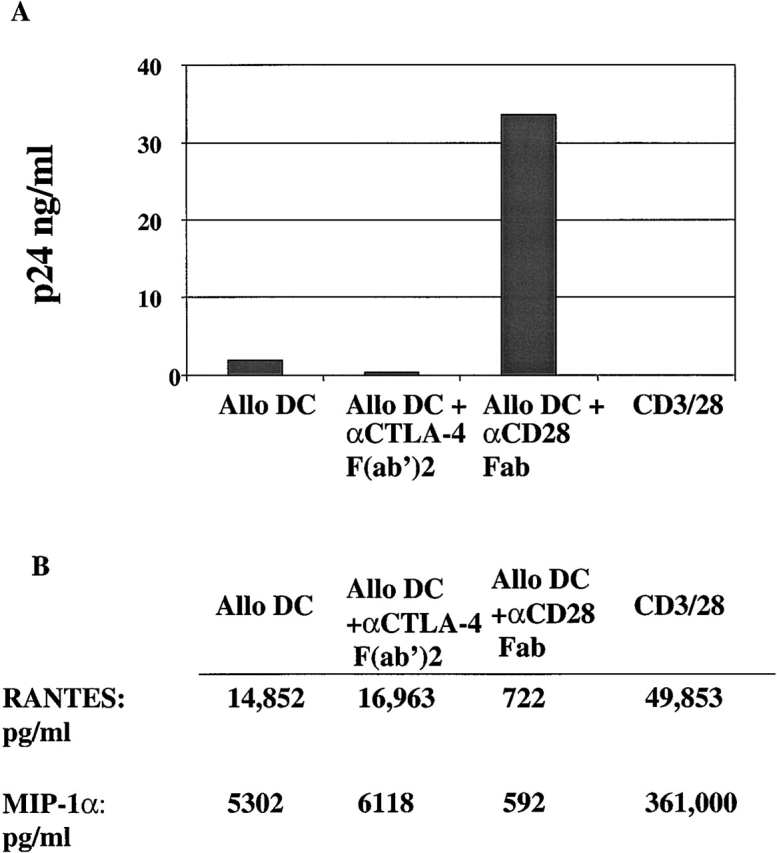
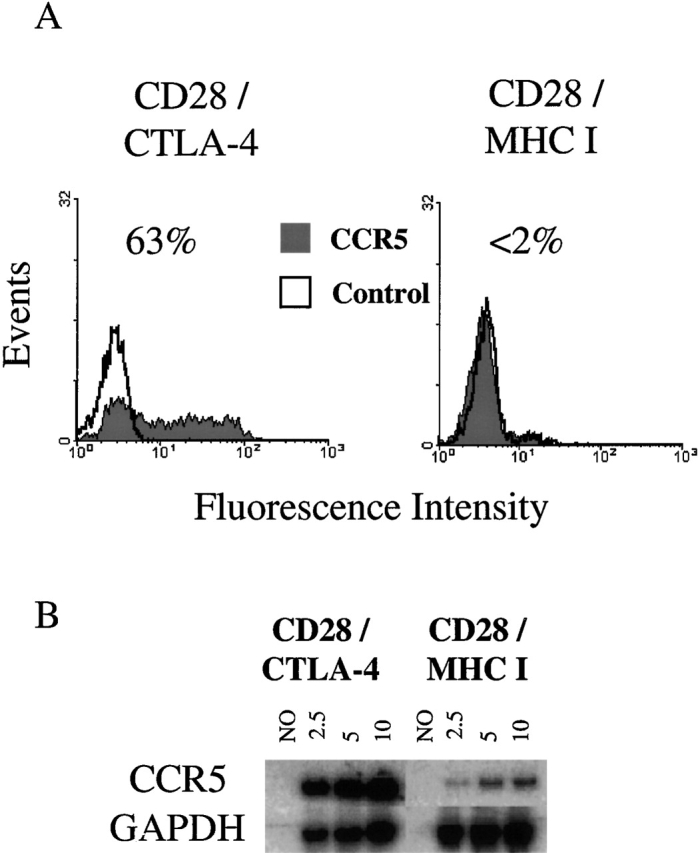
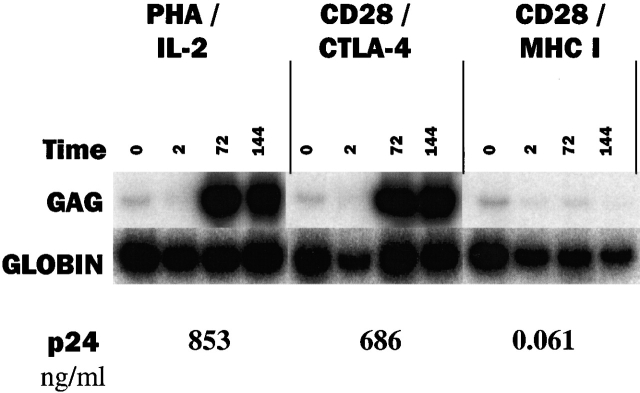
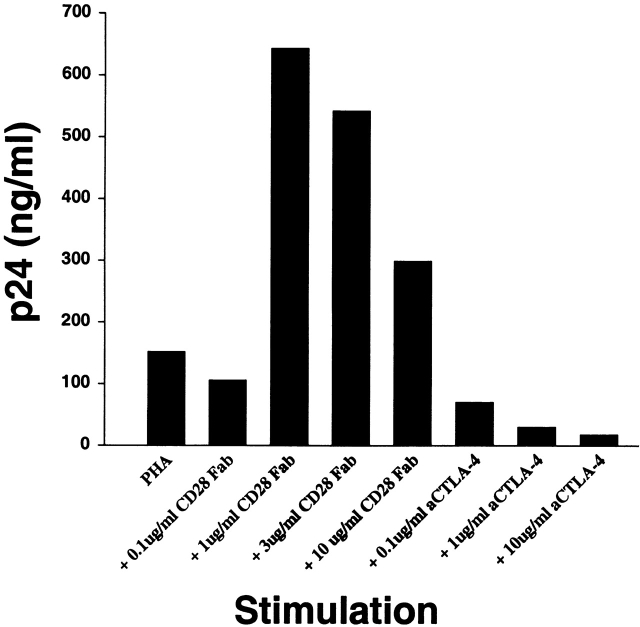
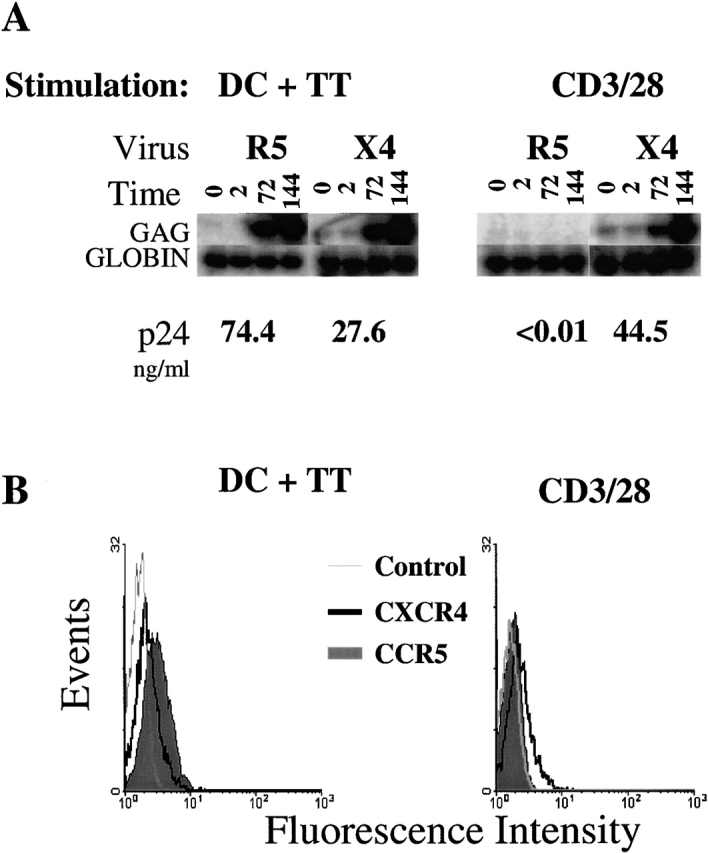
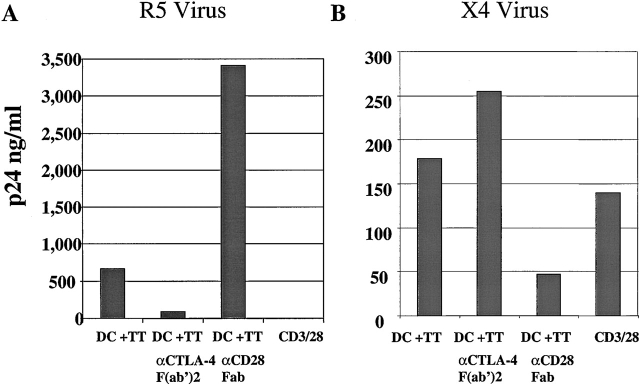
CD4 T cells activated in vitro by anti-CD3/28-coated beads are resistant to infection by CC chemokine receptor 5 (CCR5)-dependent HIV-1 isolates. In vivo, antigen-presenting cells (APCs) activate CD4 T cells in part by signaling through the T cell receptor and CD28, yet cells stimulated in this manner are susceptible to HIV-1 infection. We show that cytotoxic T lymphocyte antigen 4 (CTLA-4) engagement counteracts the CD28 antiviral effects, and that the ratio of CTLA-4 to CD28 engagement determines the susceptibility of HIV-1 infection. Furthermore, unopposed CTLA-4 signaling provided by CD28 blockade promotes vigorous HIV-1 replication, despite minimal T cell proliferation. Finally, CTLA-4 antibodies decrease the susceptibility of antigen-activated CD4 T cells to HIV, suggesting a potential approach to prevent or limit viral spread in HIV-1-infected individuals.
用抗CD3/28包被的磁珠在体外激活的CD4 T细胞对CC趋化因子受体5(CCR5)依赖性HIV-1分离株的感染具有抗性。在体内,抗原呈递细胞(APC)部分通过T细胞受体和CD28发出信号来激活CD4 T细胞,但以这种方式刺激的细胞易受HIV-1感染。我们发现,细胞毒性T淋巴细胞抗原4(CTLA-4)的参与会抵消CD28的抗病毒作用,并且CTLA-4与CD28参与的比例决定了HIV-1感染的易感性。此外,尽管T细胞增殖极少,但CD28阻断提供的无对抗的CTLA-4信号会促进HIV-1的强劲复制。最后,CTLA-4抗体降低了抗原激活的CD4 T细胞对HIV的易感性,这表明了一种预防或限制HIV-1感染个体中病毒传播的潜在方法。