Weathermon R, Crabb D W
School of Pharmacy and Pharmaceutical Sciences, Purdue University, Indianapolis, Indiana, USA.
Alcohol Res Health. 1999;23(1):40-54.
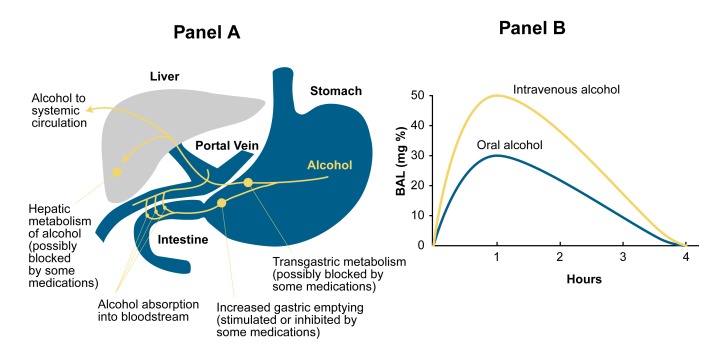
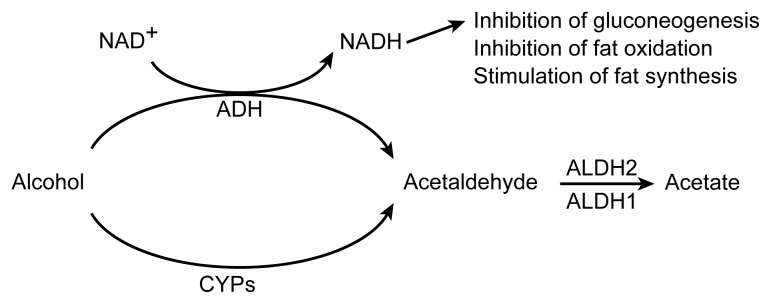
Many medications can interact with alcohol, thereby altering the metabolism or effects of alcohol and/or the medication. Some of these interactions can occur even at moderate drinking levels and result in adverse health effects for the drinker. Two types of alcohol-medication interactions exist: (1) pharmacokinetic interactions, in which alcohol interferes with the metabolism of the medication, and (2) pharmacodynamic interactions, in which alcohol enhances the effects of the medication, particularly in the central nervous system (e.g., sedation). Pharmacokinetic interactions generally occur in the liver, where both alcohol and many medications are metabolized, frequently by the same enzymes. Numerous classes of prescription medications can interact with alcohol, including antibiotics, antidepressants, antihistamines, barbiturates, benzodiazepines, histamine H2 receptor antagonists, muscle relaxants, nonnarcotic pain medications and anti-inflammatory agents, opioids, and warfarin. In addition, many over-the-counter and herbal medications can cause negative effects when taken with alcohol.
许多药物会与酒精发生相互作用,从而改变酒精和/或药物的代谢或作用。其中一些相互作用即使在适度饮酒水平下也可能发生,并对饮酒者产生不良健康影响。酒精与药物的相互作用存在两种类型:(1)药代动力学相互作用,即酒精干扰药物的代谢;(2)药效学相互作用,即酒精增强药物的作用,尤其是在中枢神经系统中(例如镇静作用)。药代动力学相互作用通常发生在肝脏,酒精和许多药物都在肝脏中代谢,且常常由相同的酶进行代谢。许多类别的处方药会与酒精发生相互作用,包括抗生素、抗抑郁药、抗组胺药、巴比妥类药物、苯二氮䓬类药物、组胺H2受体拮抗剂、肌肉松弛剂、非麻醉性止痛药和抗炎药、阿片类药物以及华法林。此外,许多非处方药和草药在与酒精同时服用时也会产生负面影响。